Lockouts · Brock
Business Lockout Service in Brock
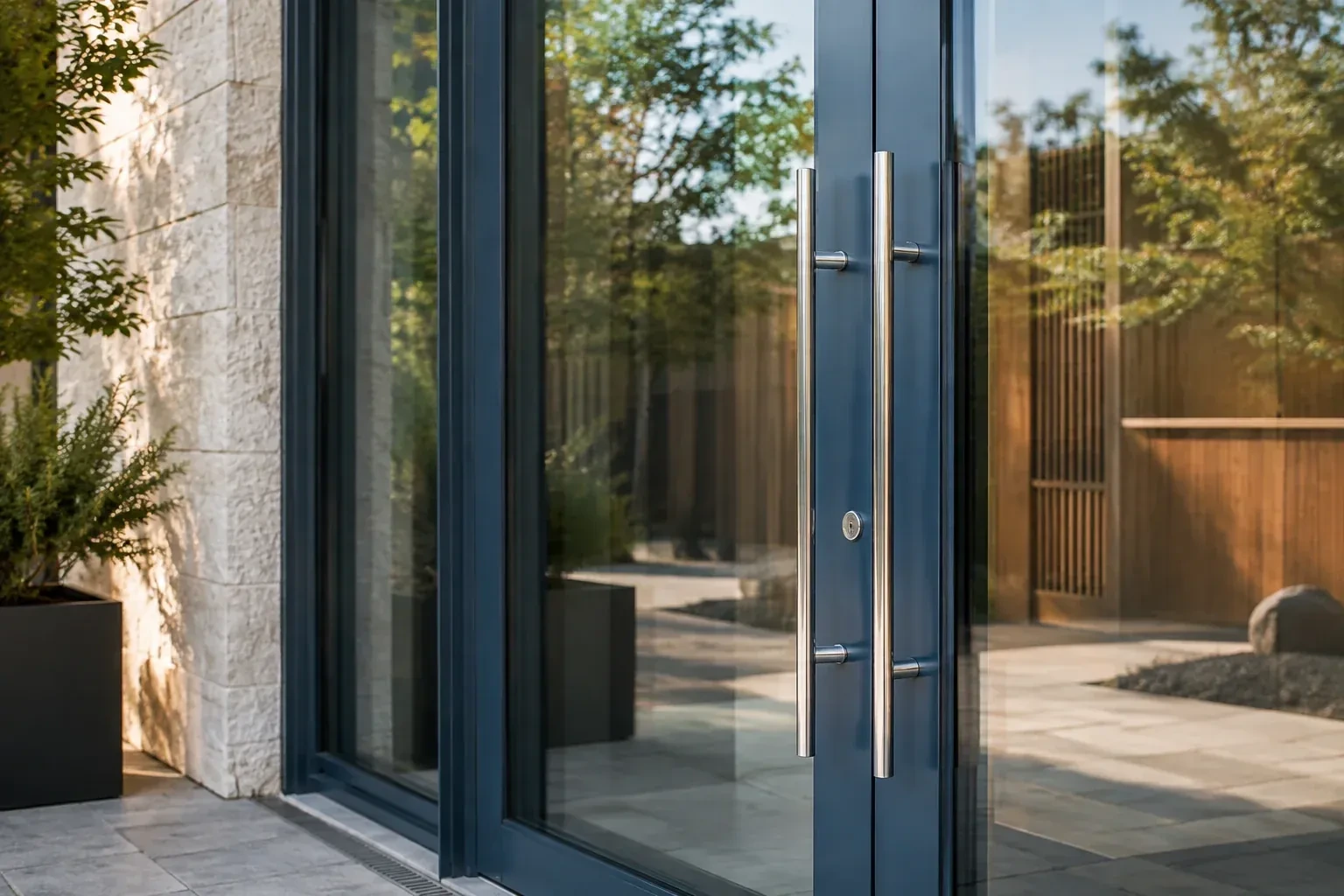
It is ten to nine, three staff are on the sidewalk with their coffees, and the key that has opened the glass front door for six years will not turn.
In plain words
Authority for a business is a question about the company, not just the individual at the door. An owner shows identification and something connecting them to the premises, such as the lease or the business registration. A manager or employee adds a call to the owner or head office, or a property manager who can vouch for them. A commercial landlord brings the lease terms or written instruction that supports the request. Good locksmiths treat this as the opening step of every business lockout and help find the right document rather than guessing, because the same care protects the business the next time a stranger claims to work there.
How the visit goesMinus eighteen with a wind, and the exterior cylinder on the shop door has frozen solid overnight after yesterday's slush. The key goes in halfway and stops. The delivery driver is due, the phone is ringing inside, and nobody can reach it.
Business Lockout Service
How the visit goes
Who is asking, and for which company
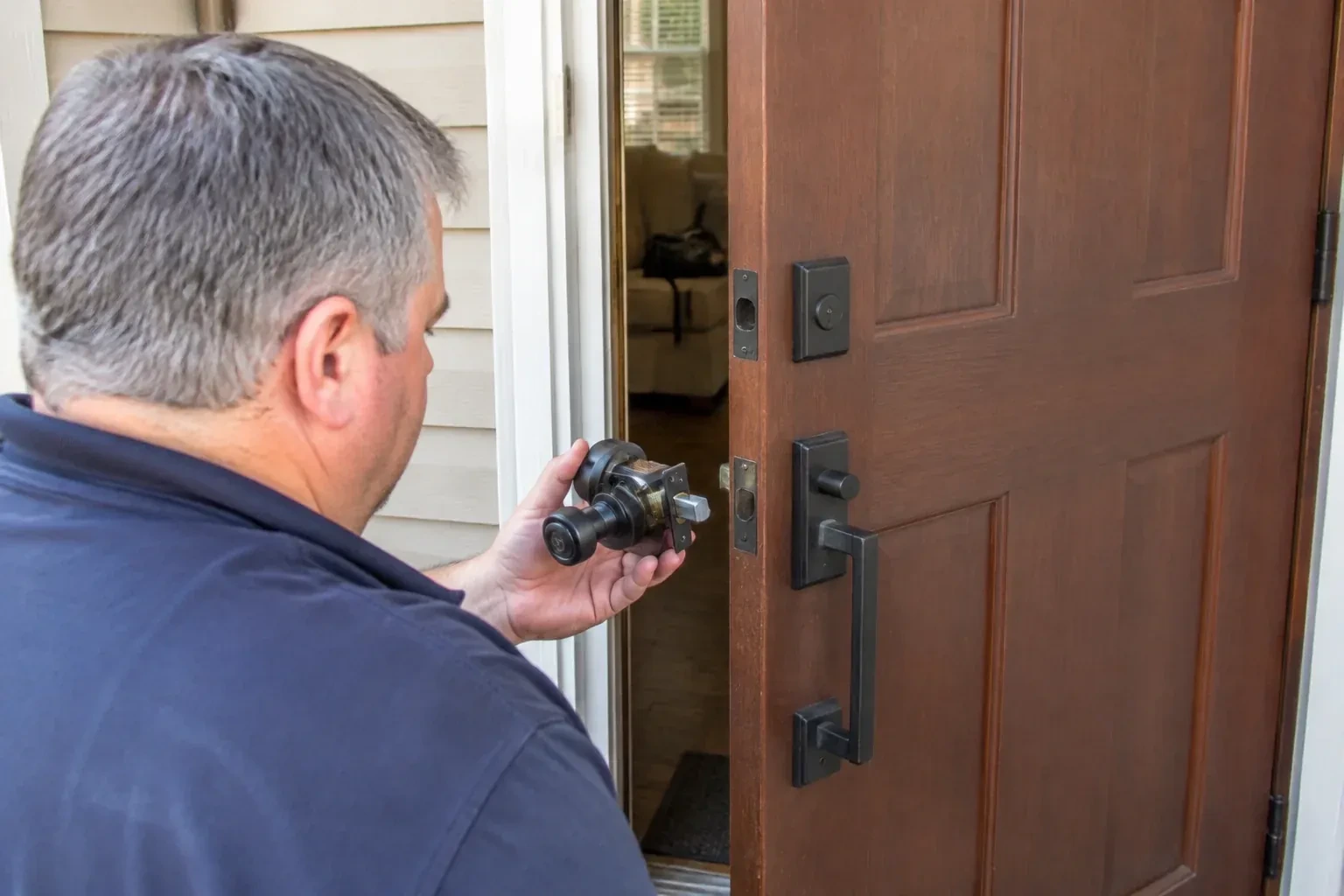
The first check is about authority to act for the business. An owner or director shows photo identification and a document that ties them to the premises, such as the lease, the business registration or a supplier invoice addressed to the unit. A manager or staff member is confirmed by a call to the owner, the head office or the property manager, using a number the locksmith can look up rather than one written on a scrap of paper. A landlord or their agent shows the lease clause or written instruction behind the request. When the paperwork is behind the locked door, the check is completed inside before the locksmith leaves.
Lever locksets and removable cores
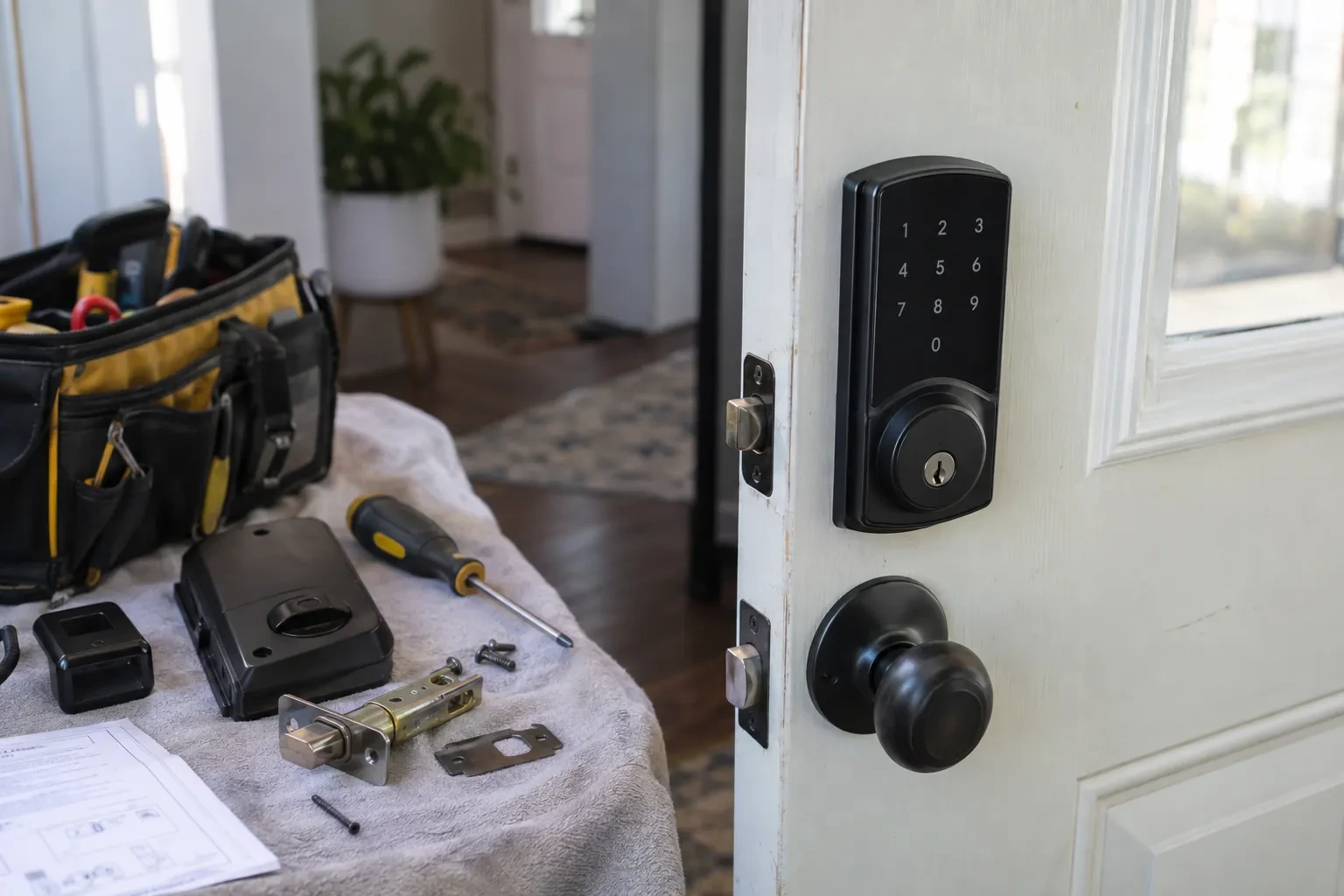
Office and back-of-house doors usually carry a cylindrical lever lockset in a storeroom function, locked from the outside at all times with the lever free inside. The latch has a deadlocking plunger, so the locksmith picks the cylinder in the lever face rather than reaching for a shim. In buildings with interchangeable cores, a control key held by the property manager or head office lets the small figure-eight core slide out and a temporary core go in, which is the gentlest opening there is. Where picking is not straightforward and no control key is available, the locksmith works through the lockset's own key-operated release path, then confirms the spring cage that keeps the lever level is seated correctly.
A written record for the business file
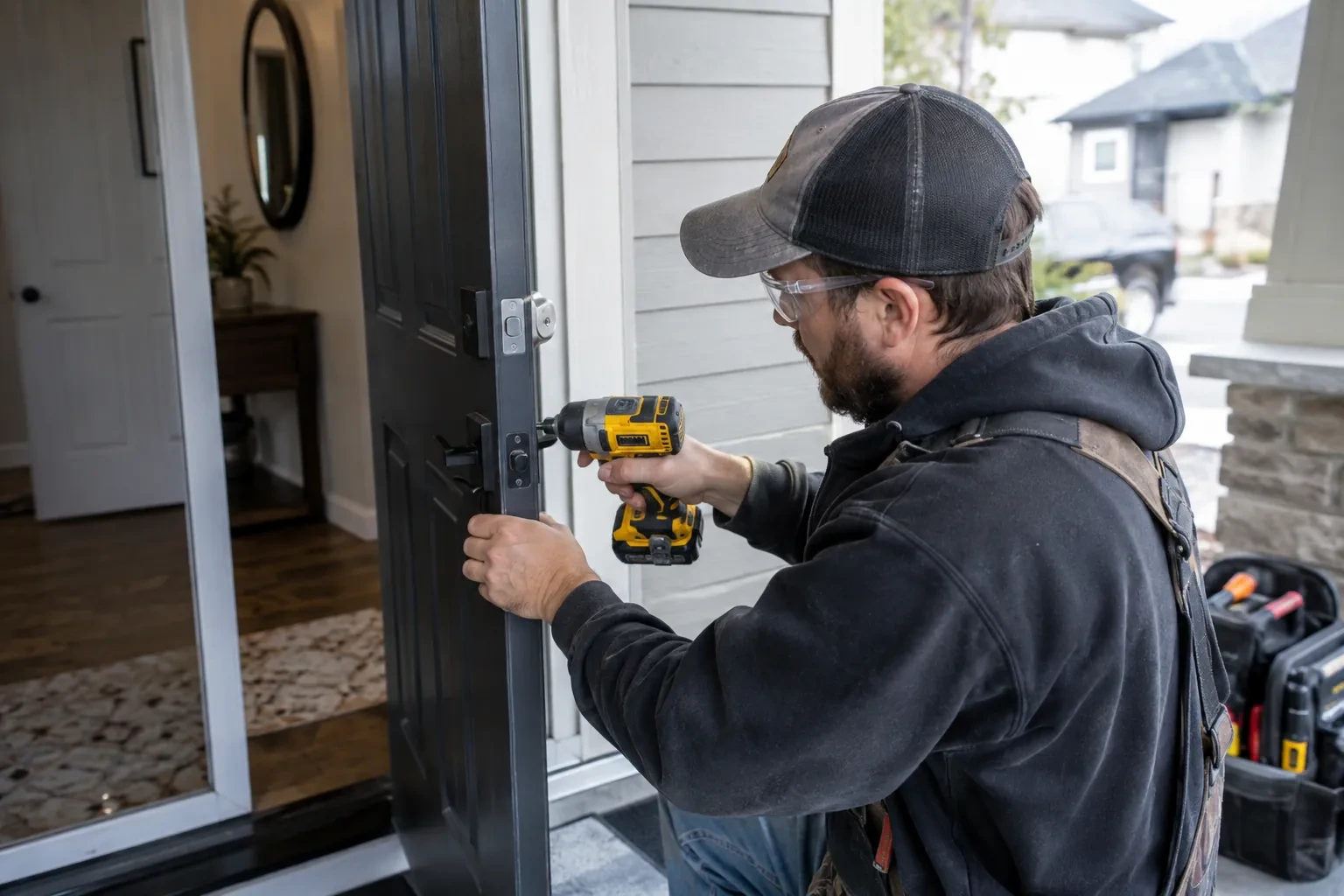
You leave with a plain account of the visit: which door was opened, the method used, whether any cylinder was drilled and replaced, what hardware was fitted, how many keys were cut and to whom they were handed. It notes the condition the hardware was found in, including anything worn or damaged before the locksmith arrived. Property managers ask for this when a unit's locks change, insurers ask for it after a loss, and franchise head offices ask for it as a matter of routine. It also makes the next service call shorter, because the person answering the phone can read what is on the door instead of guessing.
Business Lockout Service
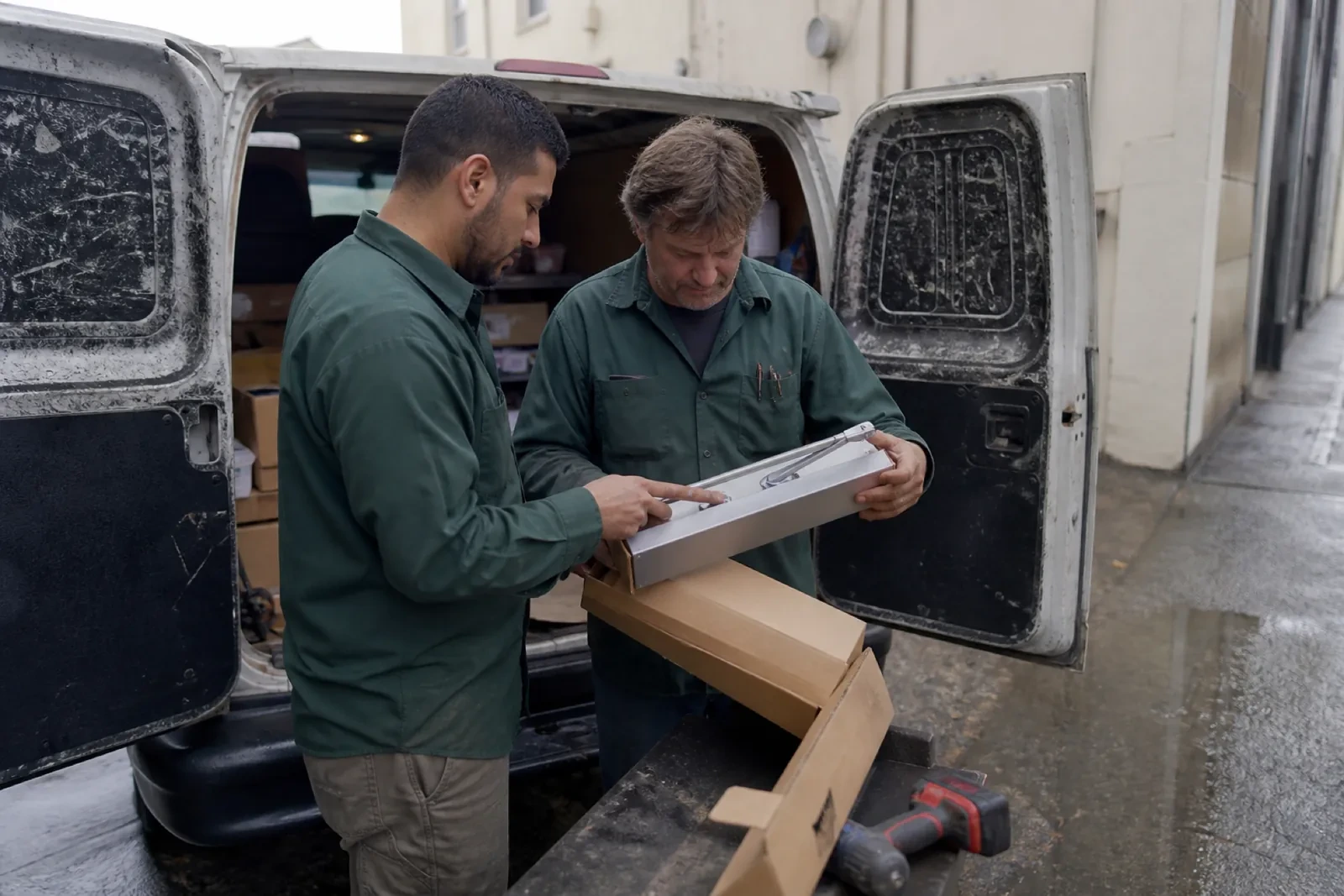
In the van
Broken key extractors
Storefront deadlock and deadlatch bodies
Key blanks and code cutter
Lock de-icer and dry PTFE lubricant
Cylinder decoder and plug spinner
Business Lockout Service
What affects the quote
Distance and access to the door
Travel is part of every call-out, and so is reaching the door: a plaza unit at street level, a suite behind a locked lobby, or a loading dock at the back of an industrial park each take a different amount of the locksmith's time.
Damage from earlier attempts
A paddle bent by a pry bar, a stile scratched by a screwdriver or a cylinder wrenched by pliers may need repair as well as opening, and the locksmith points out what was already there before quoting it.
Drilling and a replacement cylinder
If a seized or blocked cylinder has to be drilled, the quote gains a new commercial cylinder or core and the labour to fit and key it. This is explained before the drill comes out.
What to have ready
- Has a key gone missing or left with a former employee, so that rekeying should follow?
- Has the door been dragging, scraping the threshold or failing to latch at closing recently?
- Does the door use a card reader, keypad or intercom, and is it showing any lights?
Business Lockout Service: questions
QuestionsAn employee left and never returned their keys. Should we rekey?
It is the sensible step, and a lockout visit is a convenient moment for it. Rekeying keeps your existing cylinders and changes the pins so a new key operates them and the unreturned one does nothing. If your doors use interchangeable cores, swapping the core takes minutes. Bring every door that shared the old key onto the new one, count the fresh keys into named hands and start a register so the next departure is a line in a book rather than a call.
Last night the door would not lock either. Is that the same problem?
Sometimes, though a deadlatch that will not catch at closing and a bolt that refuses to withdraw at opening are different mechanisms, not automatically the same fault. A door dropped on its pivots or a cam slipped behind the cylinder can affect either one; a closer stopping short of the strike explains a latch that will not catch but not a bolt that will not retract. The locksmith checks each symptom on its own during the visit and tests the door closing under its own weight before leaving.
Can you open a door that has a push bar on the inside?
Yes. From outside, an exit device is operated through its trim, which may be a keyed lever, a pull with a cylinder or a bare rim cylinder. Depending on the trim fitted, picking or decoding that cylinder either retracts the latch directly or unlocks a lever, knob or thumbpiece that then has to be turned to let the latch go. The bar, rods and dogging feature stay as installed for the emergency way out, and the bar is pressed afterward to confirm it releases the latch with one push.
Related services
- Broken Key ExtractionThat key had been bending a little for years, and you kept straightening it.
- Break-In Damage Lock RepairThe shop's aluminum door has a bent meeting stile and the hookbolt is jammed half out.
- Seized & Jammed Lock OpeningThe shop's lever handle goes down as usual, but the latch inside the mortise case never pulls back.