Locksmith in Beaverton, OntarioKeys that fit.Locks that hold.
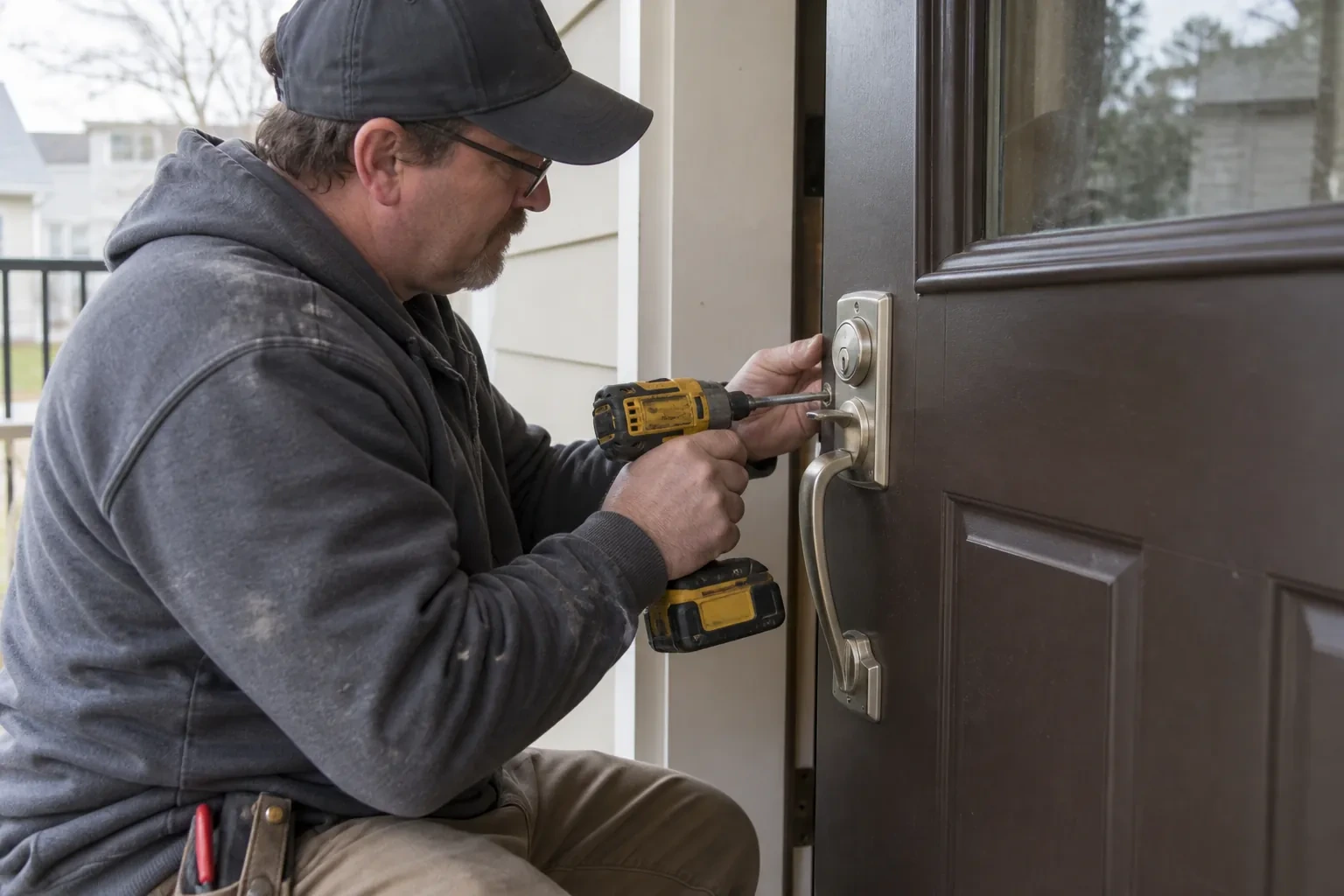
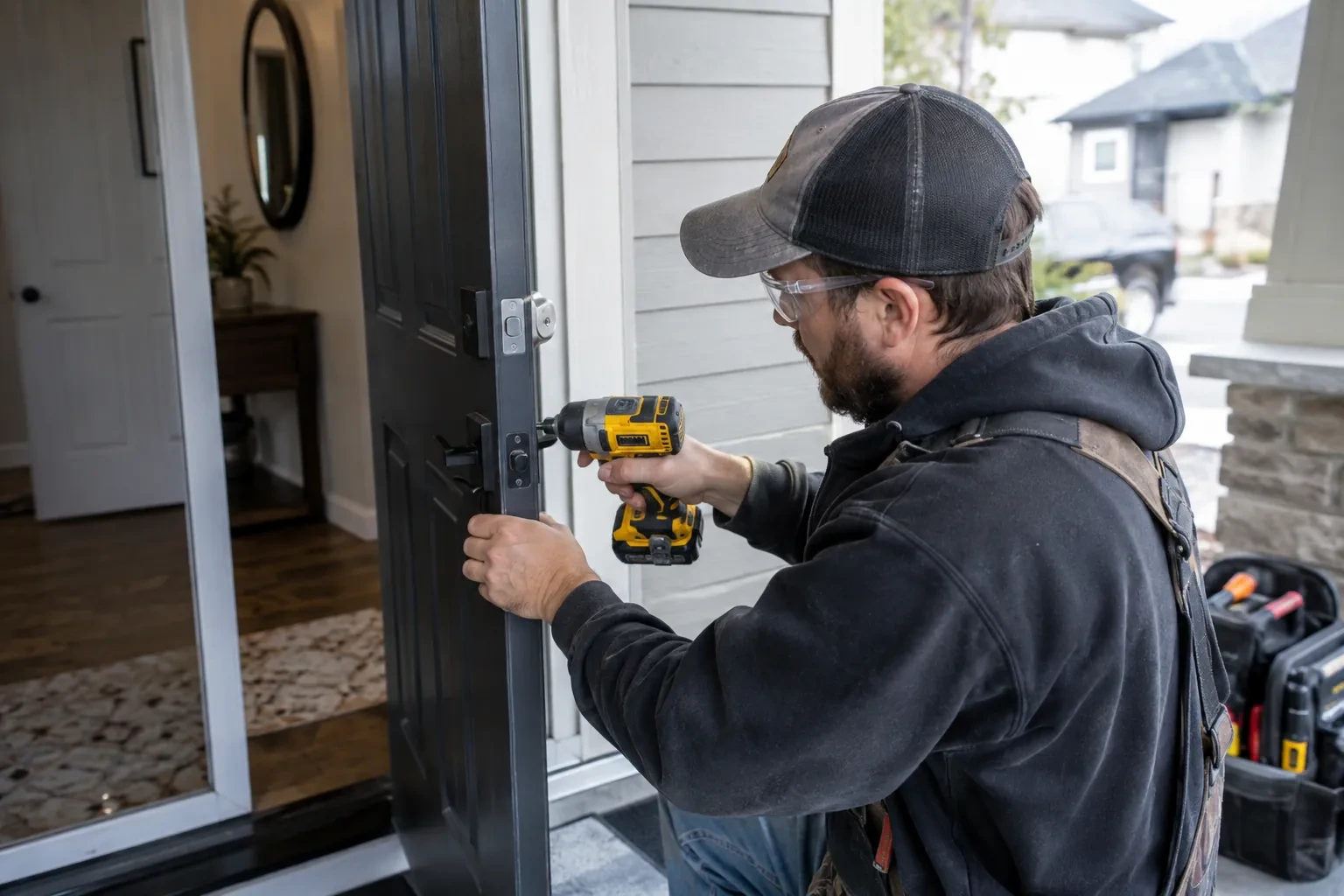
A door that latches on the first push, a deadbolt that throws fully into the frame, a key that slides in without a wiggle. These small things add up to a home in Beaverton that feels secure every time you close the door behind you. We fuss over them so you never have to. Calls from Alsops Beach, Cedar Beach, Cedarhurst Beach, Ethel Park, McLennan's Beach and Thorah Island are covered too.
A door that latches on the first push, a deadbolt that throws fully into the frame, a key that slides in without a wiggle. These small things add up to a home in Beaverton that feels secure every time you close the door behind you. We fuss over them so you never have to. Calls from Alsops Beach, Cedar Beach, Cedarhurst Beach, Ethel Park, McLennan's Beach and Thorah Island are covered too.
Careful work on every kind of lock.
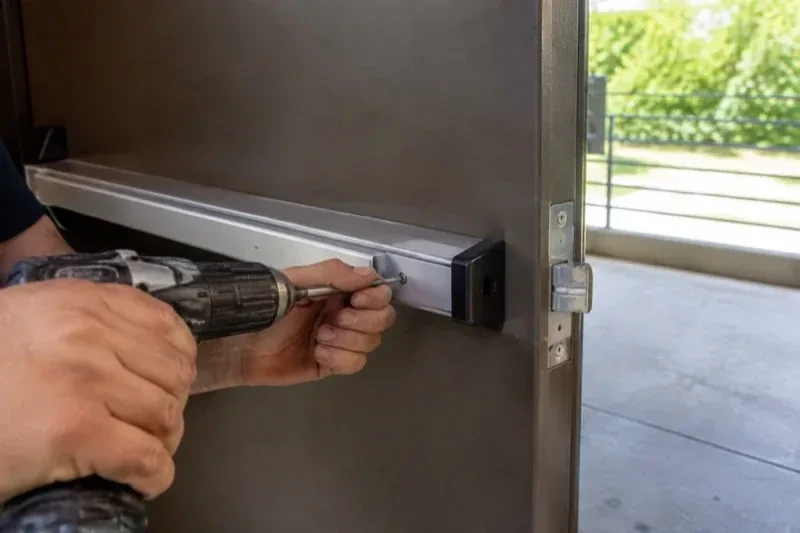
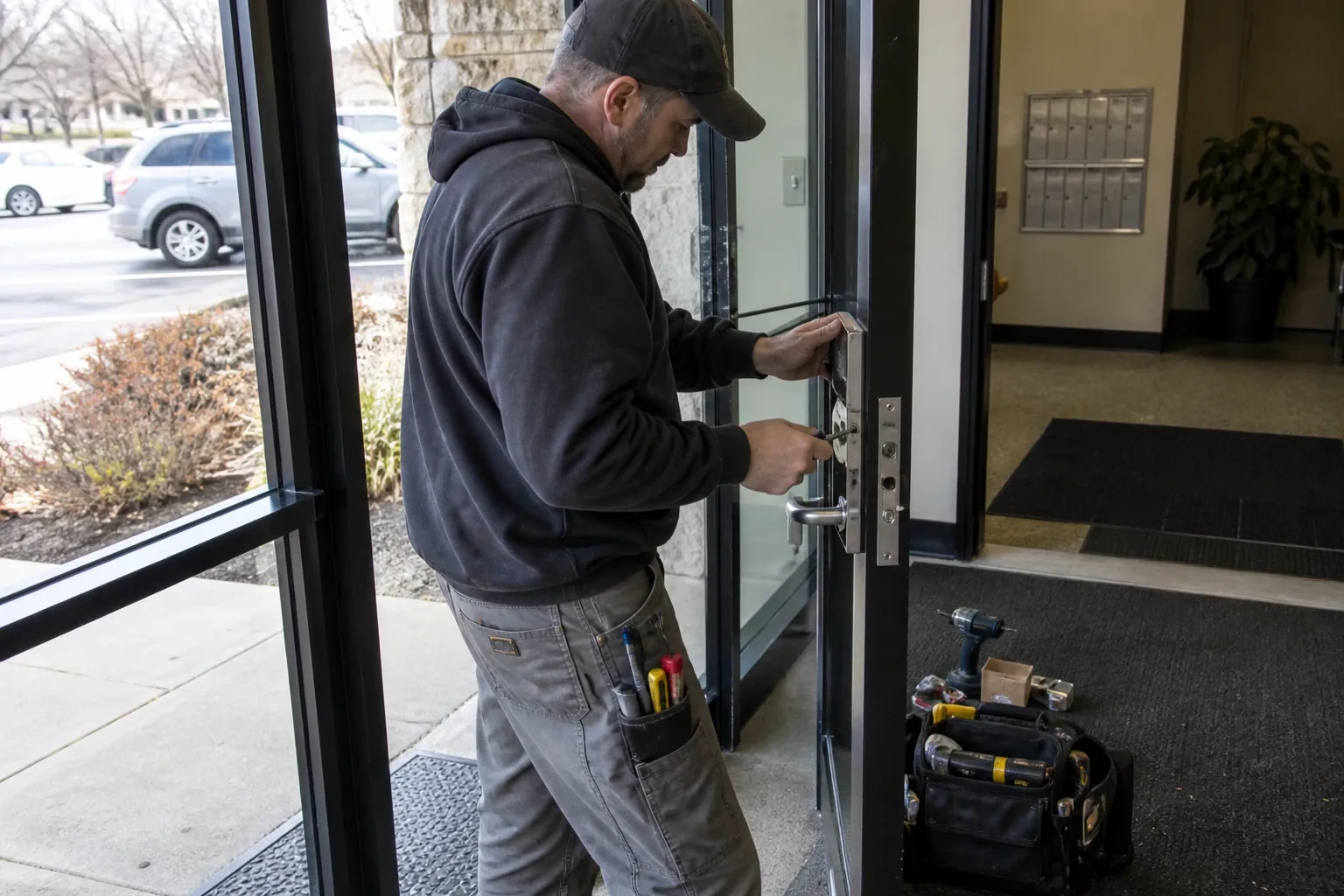
Commercial customers in Beaverton get a locksmith who understands traffic. A storefront door swings hundreds of times a day, and hardware chosen for a house will not last on it. We fit closers, lever sets and exit devices built for that use, adjust them so the door latches on its own, and schedule a service visit before anything wears out.
The housing in Beaverton spans several decades, and each period brings its own hardware. Older doors may need shims and odd-sized parts to take a modern deadbolt; newer builds often share the same factory locks, which rekey cleanly. We carry both kinds of stock and explain what we find in plain words, so you know exactly what is on your door and why.
15years in business
24/7open every day
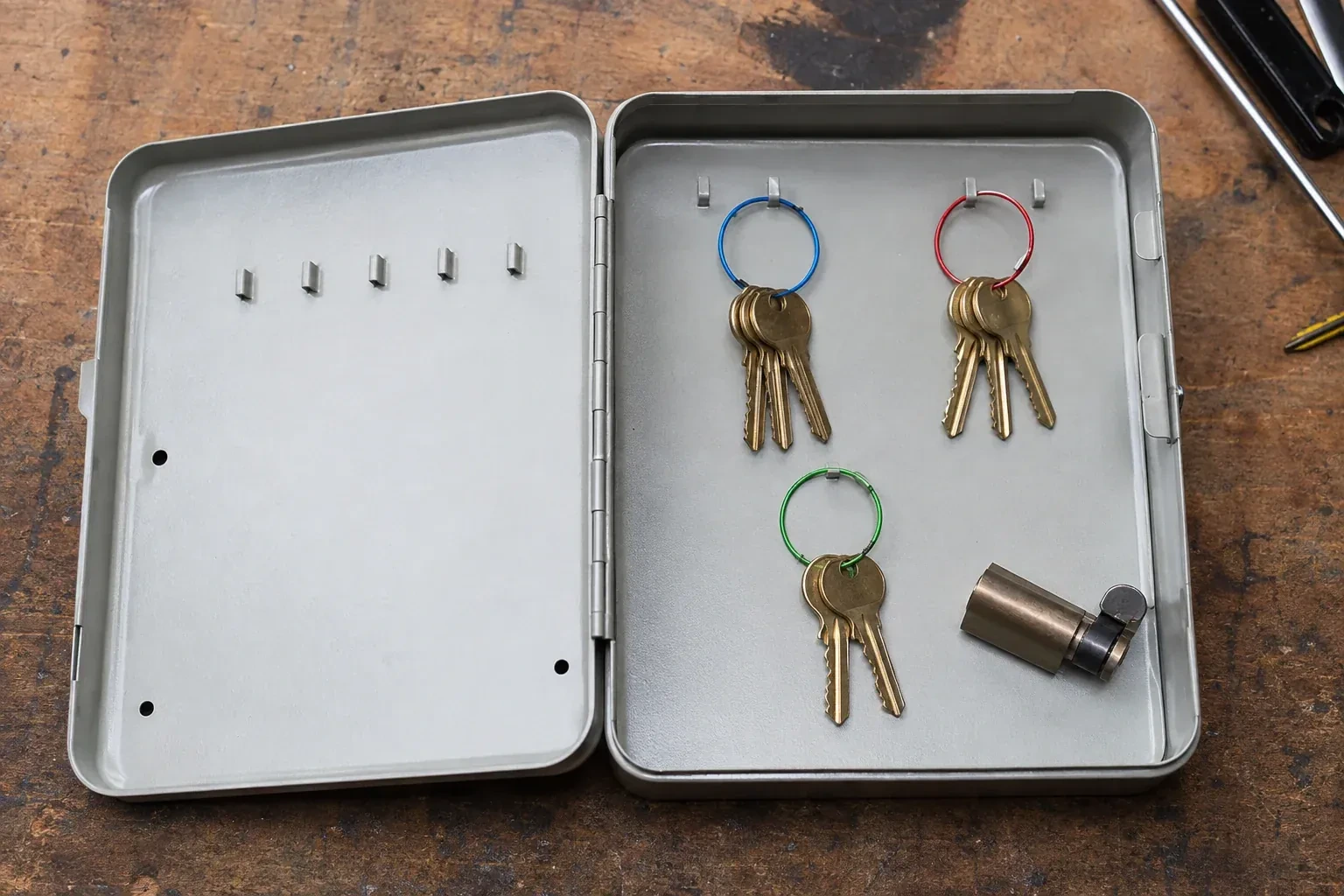
Clear about who can get in. After any rekey or replacement we tell you exactly which keys work and how many copies exist. Key control is the point, and you should have the full picture.
Careful with the building. We protect floors and finishes, work around your day where we can, and treat a shop or office with the same care as a home.
The choice explained in your terms. Rather than product names, we talk about what each option means for you: who has access, how it copes with weather, how easy it is to change later.
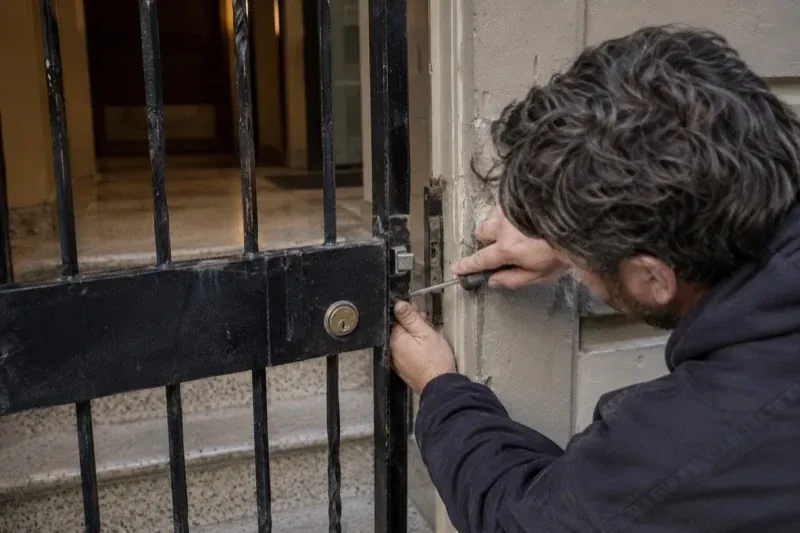
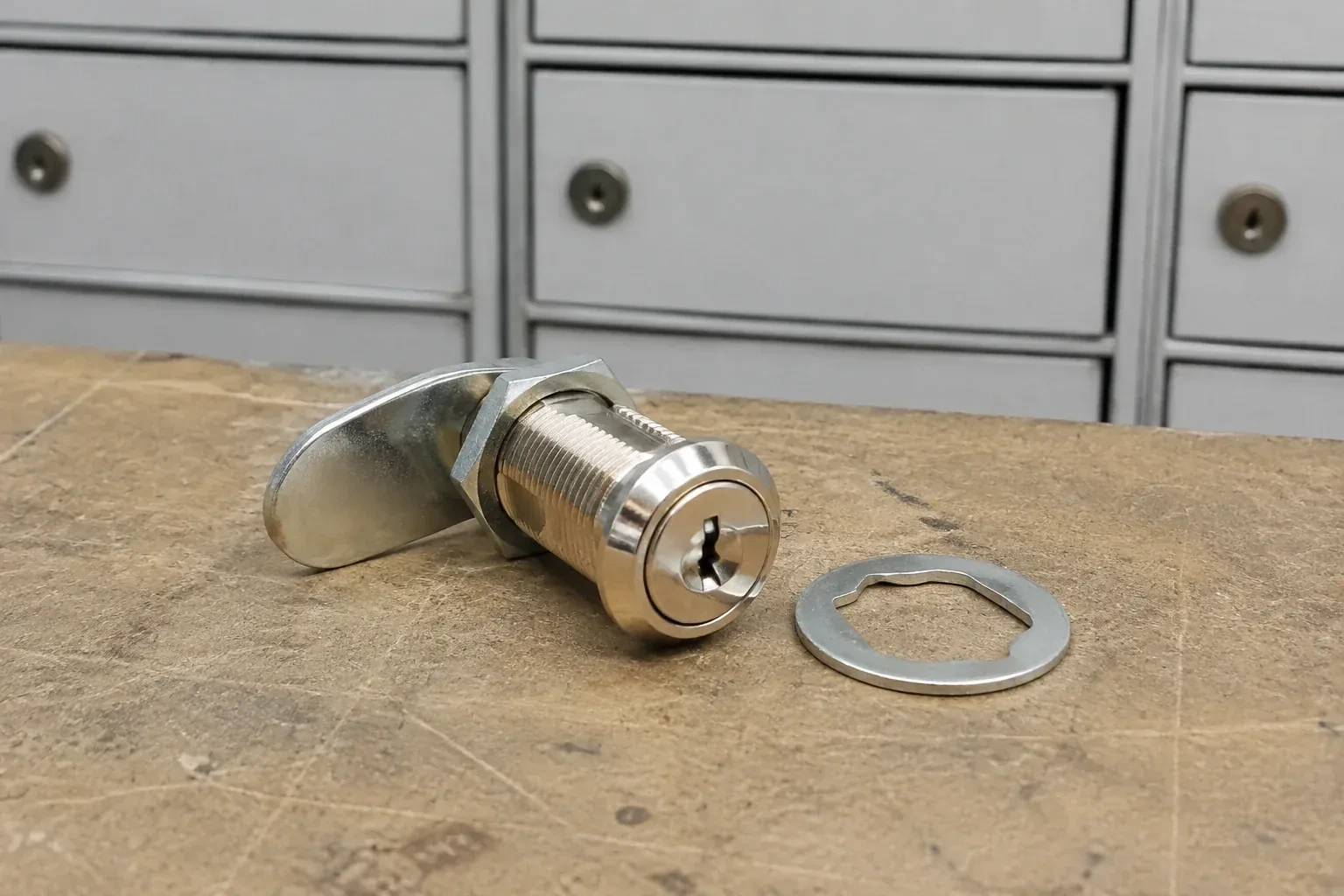
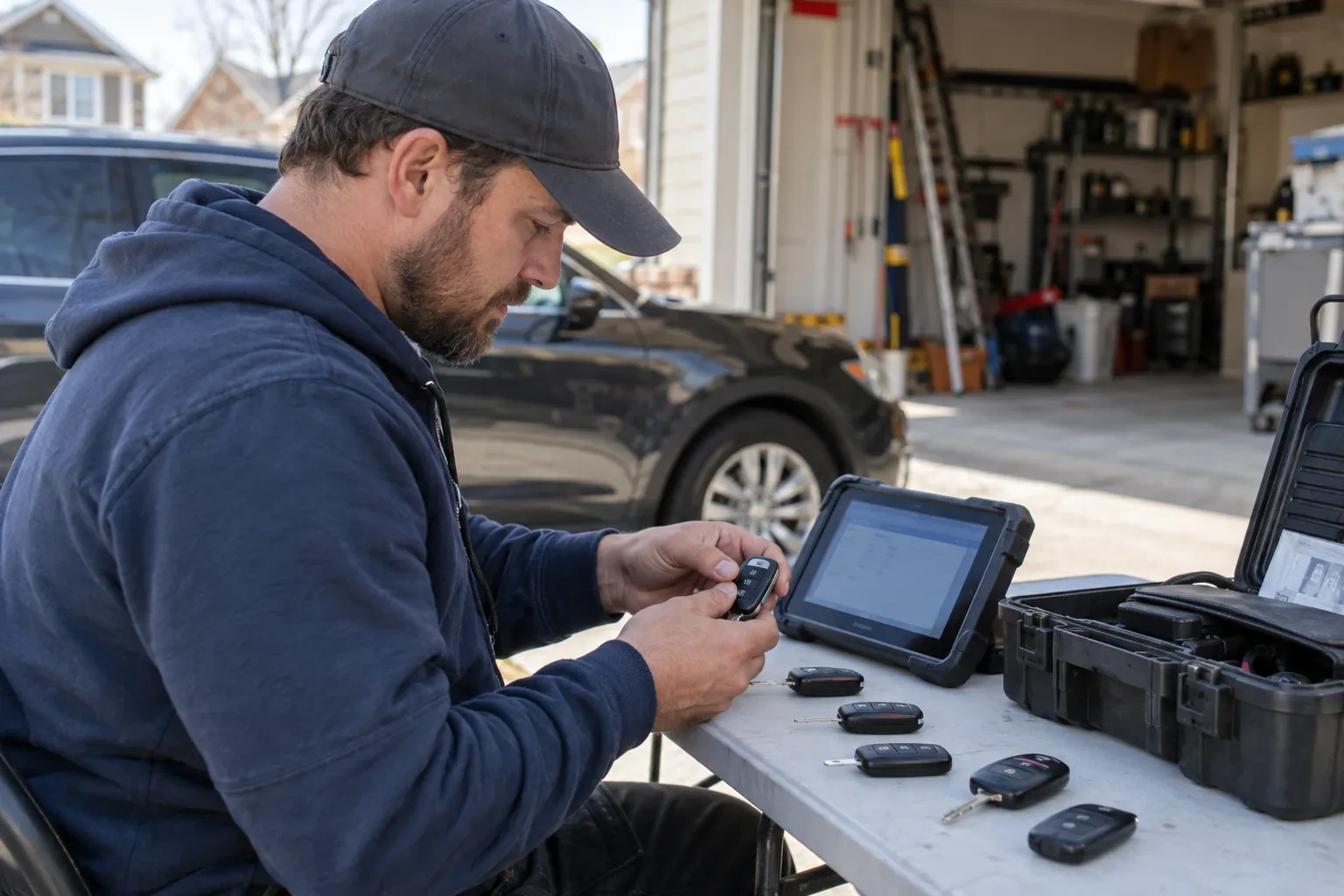
Here is the range of lock work we do for homes and businesses in Beaverton: opening doors when the key is missing, rekeying and changing locks, fitting deadbolts and high-security cylinders, servicing commercial hardware, opening and resetting safes, and cutting keys, including the occasional vehicle key when a household needs one.
About 64% of homes in Brock were built in 1980 or earlier, according to the 2021 Census.
Older homes
Where housing is mostly older, many entries still have only a knob lock and no deadbolt at all. Adding one is a straightforward job on a solid wood door, and it is the single upgrade that changes most for a house of this kind.
Single-detached houses make up about 87% of homes in Brock (2021 Census).
Mostly houses
Where homes are mostly detached, patio and sliding doors deserve attention alongside the hinged ones. Auxiliary locks, pin locks and better latches for sliders are routine additions that a locksmith brings on the same visit as the front door work.
Getting past an ordinary lock is a skill many people have. Getting past a high security lock is loud, slow and uncertain, which is exactly the point. The services here make your door the one an intruder decides is not worth it.
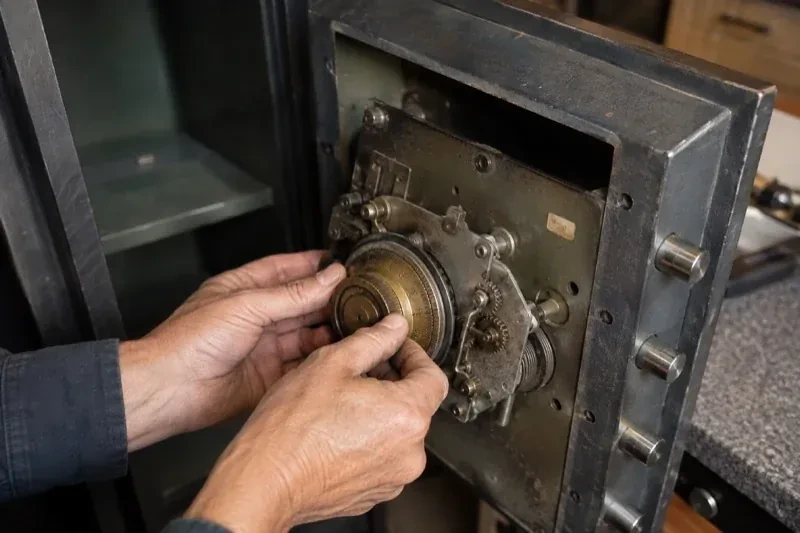
Decades of daily use have left the law firm's old dial safe drifting: the numbers line up close to where they should, never quite enough to drop the bolt.
Behind the filing cabinets sits a heavy floor safe nobody ever bolted down, left exactly as the last owner set it. It opens fine, but a determined pair of hands could simply tip it into a van.
Which fix fits?
It is minus fifteen, the wind is coming across the driveway, and the key will only go halfway into the deadbolt.
WhyWhere your key is decides most of what happens after the door opens.
You signed the lease on the unit last week and the landlord handed over possession, but the previous tenant's locks are still on both doors and no keys came with them.
WhyA smart lock is only half installed when the screws are tight; the other half is the account behind it.
A new hire at the shop gets handed whatever spare key happens to be in the drawer, and it turns out to open the stockroom, the back office and the safe room all at once.
WhyMany commercial properties end up with keys copied from other keys over years of staff changes, until nobody can say with confidence what a given key actually opens.
The new access-control reader at the staff entrance works fine going in, but nobody has sorted out the door's exit side, and right now a card reader and a pushbar exist as two separate ideas.
WhyA vehicle's central locking is built to move some or all of its doors, and sometimes the trunk or fuel flap, together on one command, with the exact coverage set by the vehicle itself; a single weak link shows up as one point that lags behind or ignores the command it should answer.
How a visit goes
Describe the property, the hardware and what has changed, and the visit starts from what you have seen.
1
2
3
01
Walking the building together
We visit each door on the plan and talk about who uses it, how often and at what hours. Wiring routes and power are checked at the same time.
02
Installing readers and locks
Readers, electric strikes or maglocks and the controller go in with cables hidden where the building allows. Every door is tested for release and re-locking.
03
Setting up users and handover
We add the first users, show your administrator how to add and remove people, and leave written notes so the system is yours to run.
Good days. Start with a turn.
1/9Home Lockout Service
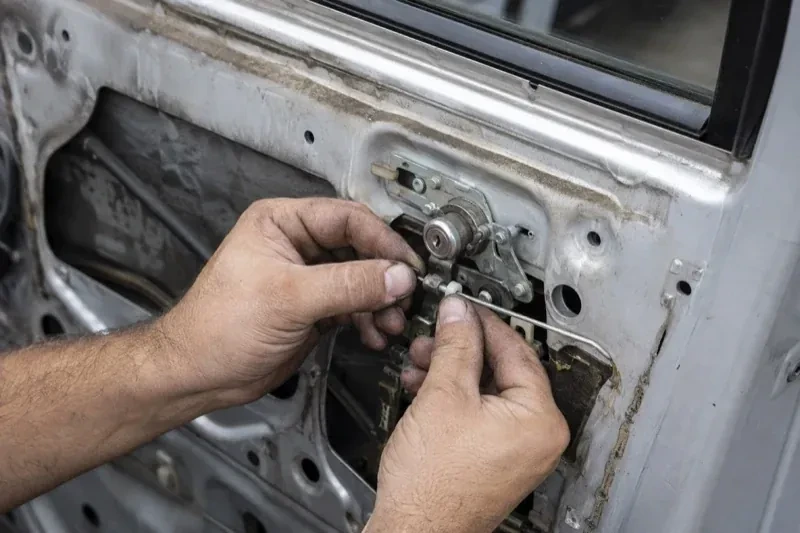
It is minus fifteen, the wind is coming across the driveway, and the key will only go halfway into the deadbolt. Yesterday's thaw left water in the keyway and overnight it froze solid. Forcing it only makes the metal flex.
You signed the lease on the unit last week and the landlord handed over possession, but the previous tenant's locks are still on both doors and no keys came with them. Your fixtures arrive tomorrow and the doors will not open.
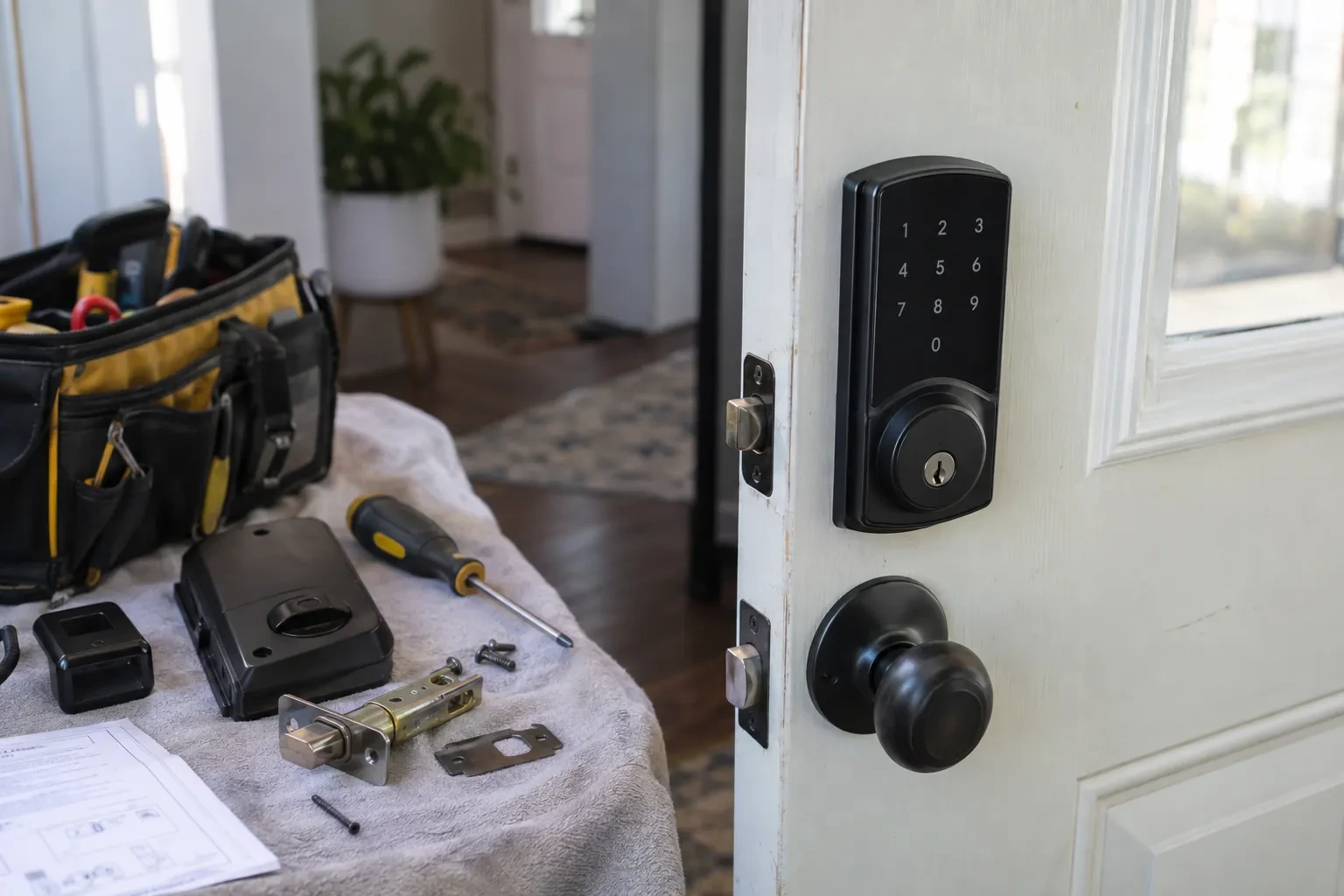
Half the evenings someone asks whether the back door got locked, and nobody is sure. A lock that relocks on its own, shows its state in an app and reports when it was last opened would settle the question.
A new hire at the shop gets handed whatever spare key happens to be in the drawer, and it turns out to open the stockroom, the back office and the safe room all at once. The owner realizes nobody actually decided who should open what.
The new access-control reader at the staff entrance works fine going in, but nobody has sorted out the door's exit side, and right now a card reader and a pushbar exist as two separate ideas.
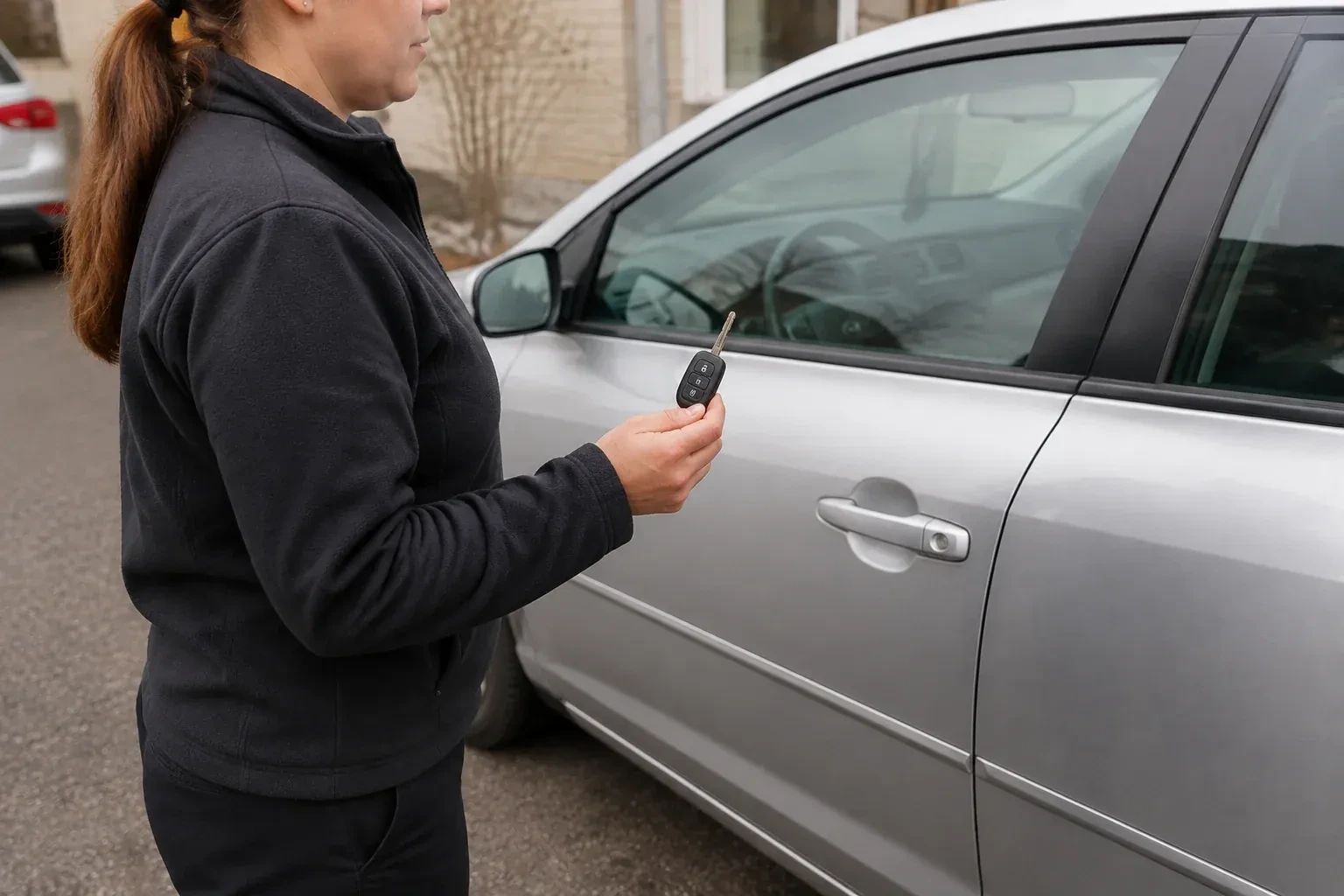
The fob went through the washing machine in a jacket pocket. It came out clean and completely silent. Nothing unlocks, the push-button start ignores it, and the little metal blade hidden inside only opens the driver's door.
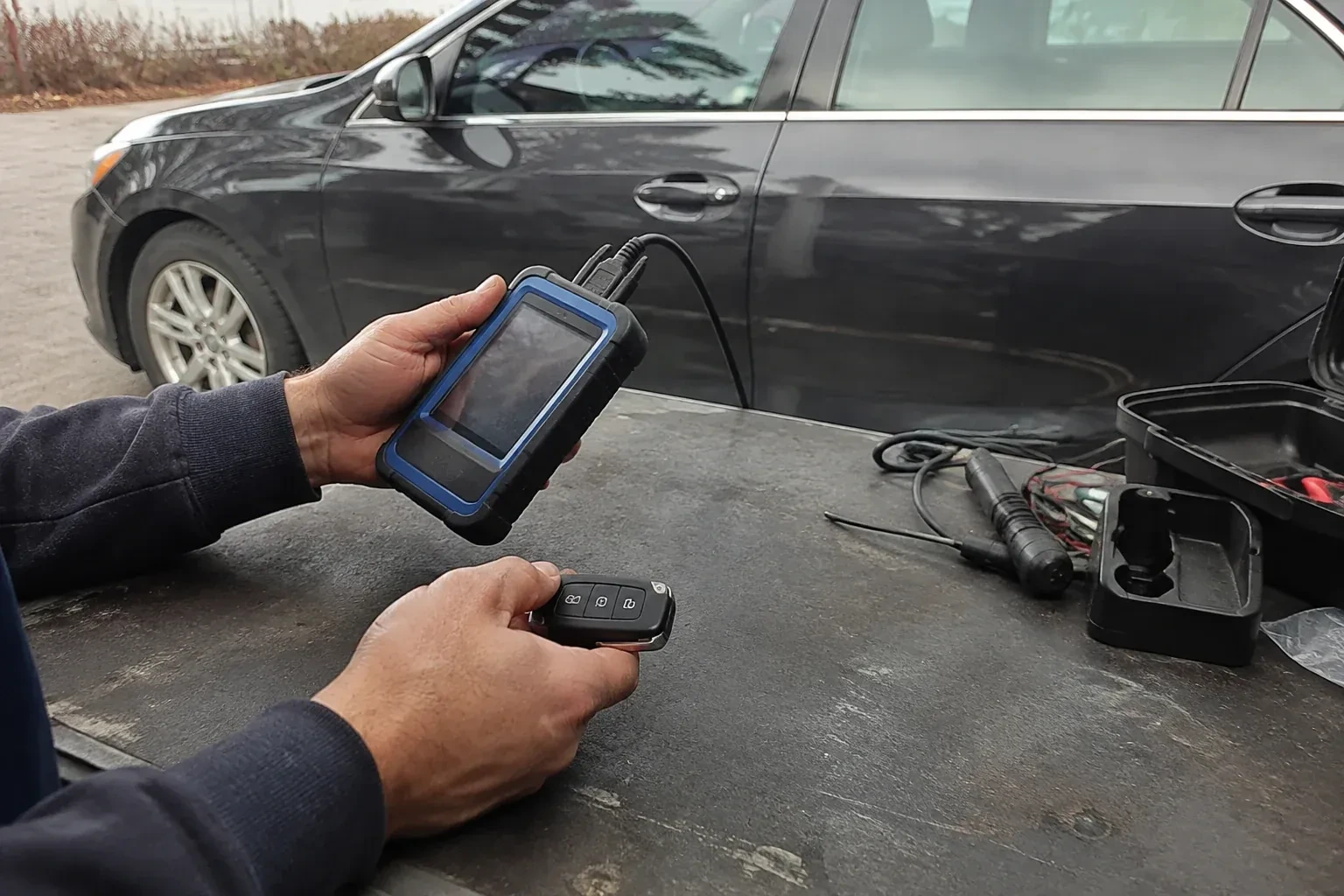
The new key slides into the ignition and turns exactly the way the old one did, but the engine only cranks. A dashboard light blinks near the fuel gauge, and no amount of turning the key gets the car past that cranking sound.
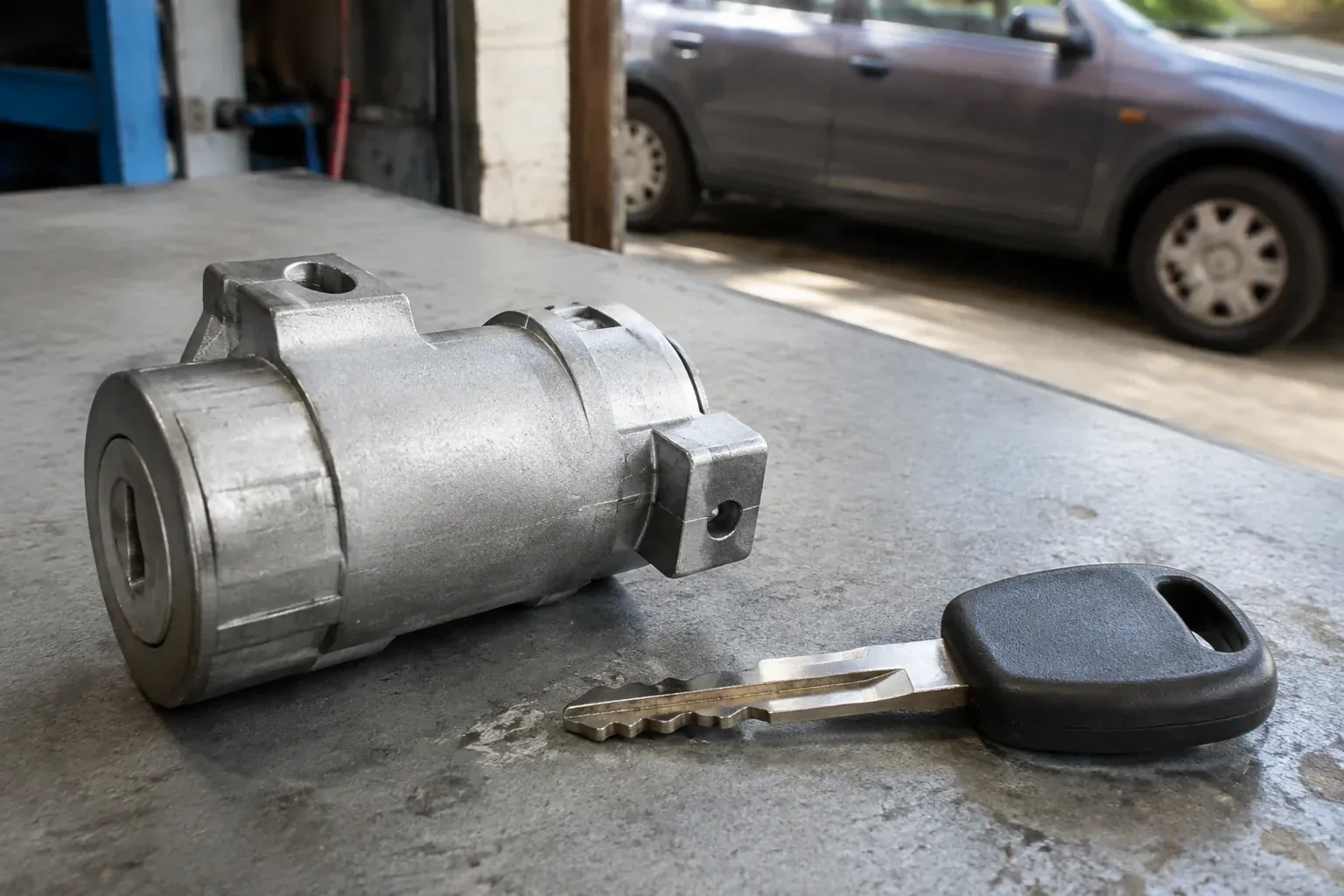
Half the key is still in your hand. The other half stayed behind in the ignition when it snapped, and now the dash won't light and the wheel won't unlock no matter how carefully you nudge what is left.
The button on your key fob does nothing now: no beep, no flash of the lights, no click from the doors. The metal blade folded inside the fob still turns the door by hand, so you are getting in and out, just without the remote.
How should I look after my lock so it stays reliable?
A little attention twice a year is enough. Follow your lock's own care instructions: many take a puff of dry graphite or PTFE lubricant worked in with the key, some a specified liquid product instead; general-purpose oils collect grit. Retire keys that have worn thin and cut fresh ones from a crisp original or the code. Snug up hinge and strike screws each spring and fall as the door moves with the humidity. A key that starts needing a wiggle is an early warning worth acting on.
Last night the door would not lock either. Is that the same problem?
Sometimes, though a deadlatch that will not catch at closing and a bolt that refuses to withdraw at opening are different mechanisms, not automatically the same fault. A door dropped on its pivots or a cam slipped behind the cylinder can affect either one; a closer stopping short of the strike explains a latch that will not catch but not a bolt that will not retract. The locksmith checks each symptom on its own during the visit and tests the door closing under its own weight before leaving.
Can I install a smart lock myself?
Many people do, and on a door that already closes perfectly with the standard holes the instructions are manageable. Where a locksmith earns their place is everything around the box: recognizing a bolt that drags before it wears out a motor, enlarging or filling holes cleanly, fitting a reinforced strike, rekeying the override so the old key retires, and setting up the account and codes in a way that is easy to manage later. If you have started and hit a snag, that is a normal call too.
How is the key chart kept private?
The chart is handed to a named administrator rather than left as loose paperwork, and it is stored somewhere only that person can reach, separate from day-to-day office records. It is not published, circulated widely or kept alongside general building documents. When the administrator role changes hands, custody of the chart moves with a signed acknowledgement rather than being passed along informally.
How much force does the door need to open with?
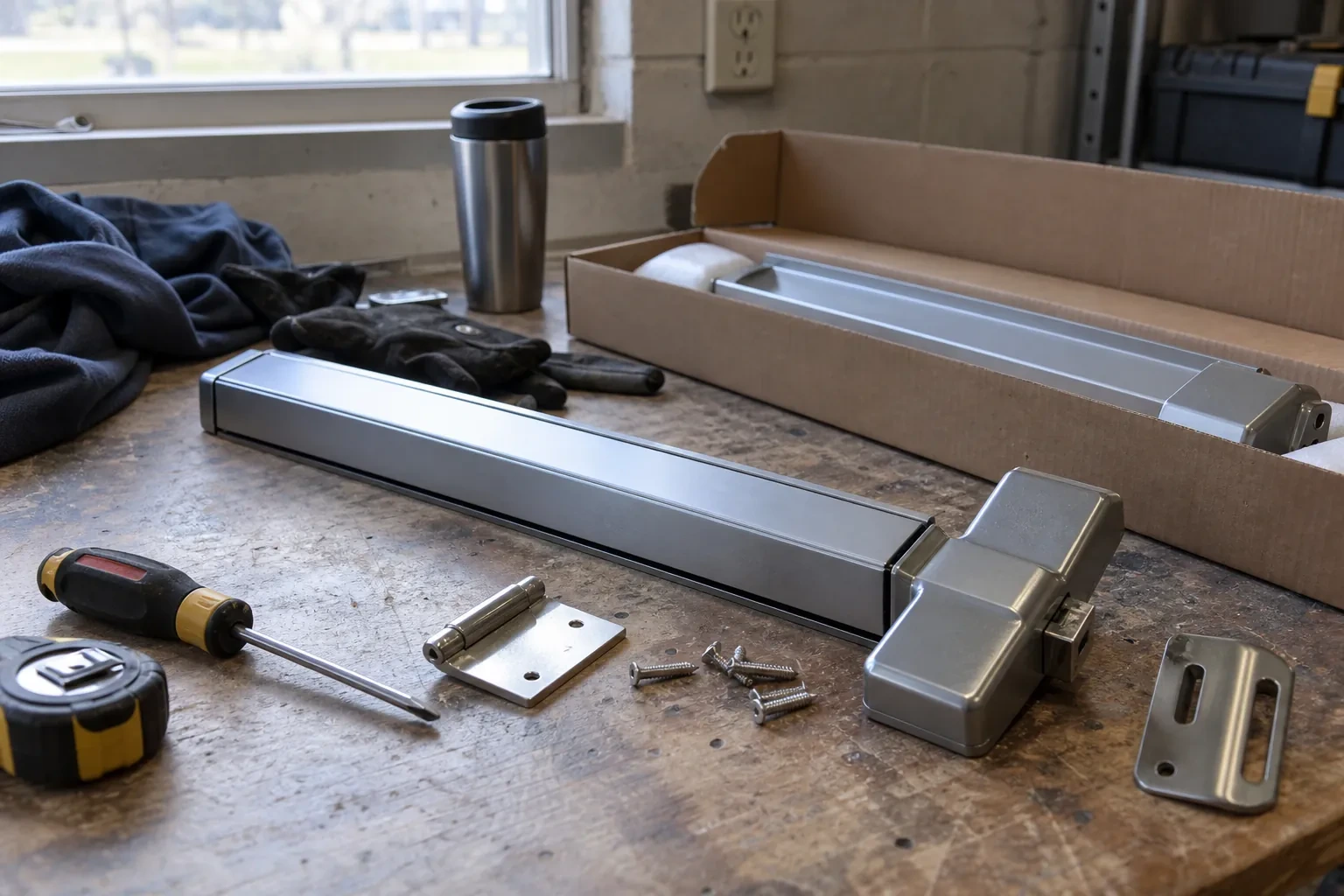
Hardware standards set a maximum, not a target: an exit device is built to release the latch under a firm push, no more than about 15 pounds of force applied at the touchpad or crossbar, roughly the pressure of a light shove rather than a heave. That ceiling covers people who cannot lean hard into a door, so the swing stays open to anyone moving toward it under pressure.
How long should I allow for the visit?
It depends on the starting point. Adding a spare to a car with a working key is often the shortest kind of visit. An all-keys-lost job on a newer vehicle takes longer, because the car has to be opened, the lock decoded, the immobilizer reset and any security timer waited out. Milling a high-security blade and pairing a proximity fob add their own steps. The locksmith gives you a realistic window once the VIN and the situation are known.
What information should I have ready before this visit?
The vehicle's year, make and model, and its VIN if it is easy to find, let the locksmith arrive with the right blank and chip already in hand. Knowing how many keys currently work, whether any were lost or stolen, and whether the vehicle uses a basic blade or a fob shapes the rest of the visit before a single tool comes out.
Is my vehicle's security system disabled while this work is happening?
No part of the vehicle's electronic security system is bypassed or defeated as part of a mechanical ignition repair. The locksmith works on the physical cylinder and its housing, and any question involving the immobilizer or transponder system is identified and referred rather than worked around, so the vehicle's built-in protection stays exactly as it was designed to work.
Do all vehicles use a chip inside the key?
Most vehicles built in the last couple of decades use a transponder chip that the engine's immobilizer checks for before it will start, though the exact system varies by manufacturer and model year. Older vehicles and some replacement blanks may use a plain mechanical key instead.
Request a visit
Commercial customers in Beaverton get a locksmith who understands traffic. A storefront door swings hundreds of times a day, and hardware chosen for a house will not last on it. We fit closers, lever sets and exit devices built for that use, adjust them so the door latches on its own, and schedule a service visit before anything wears out.