Car keys · Georgina
Car Lockout Service
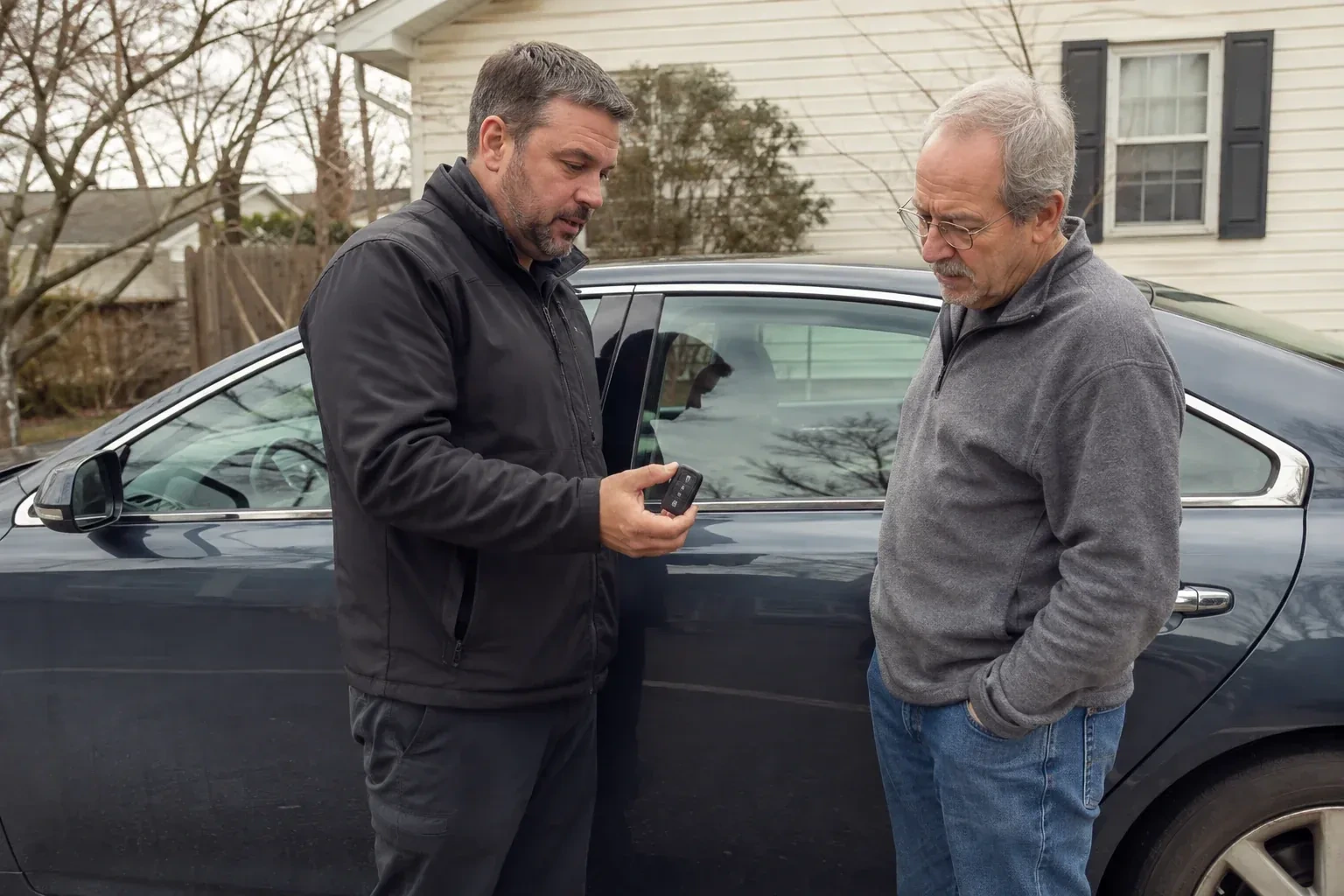
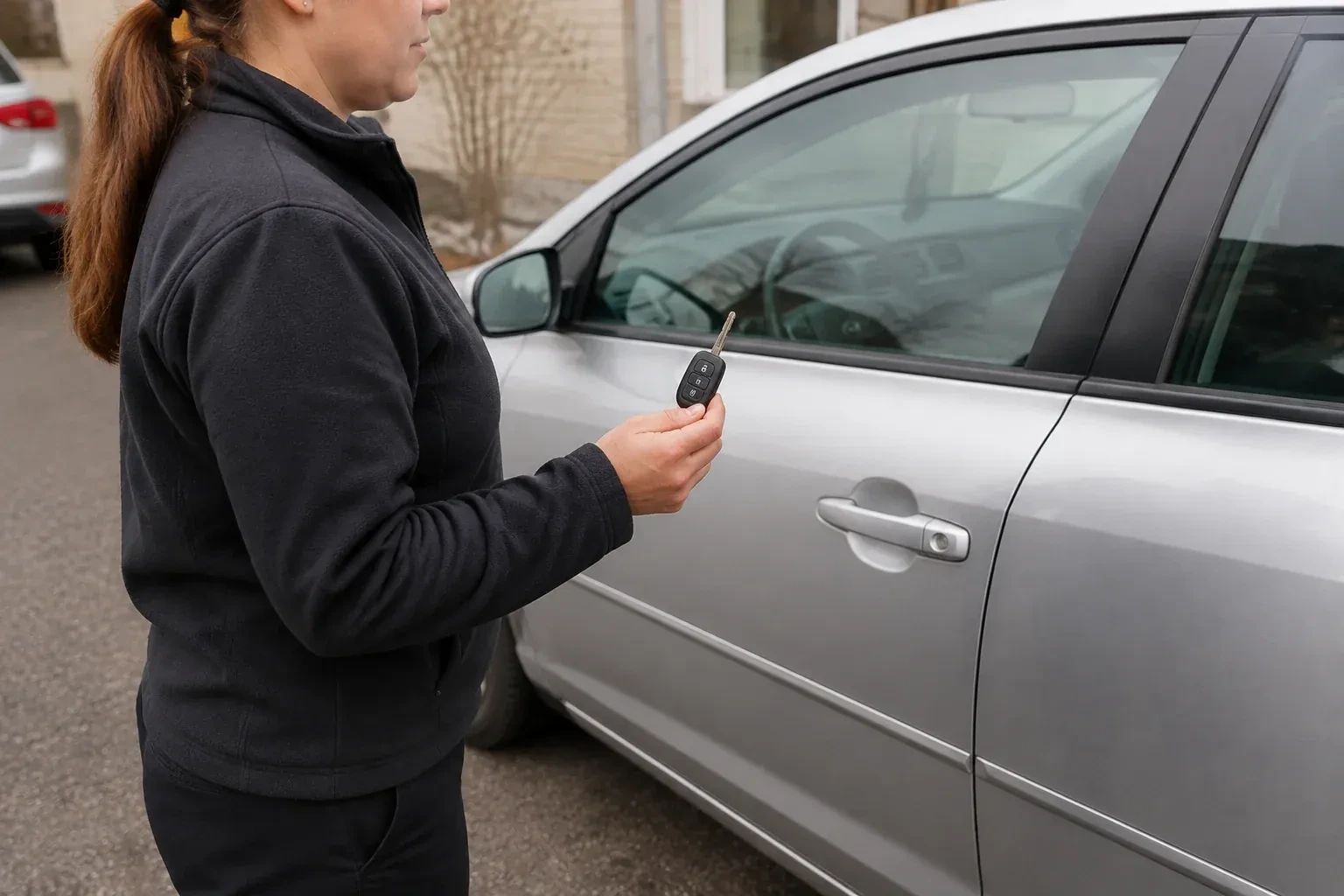
You stepped out at the pump to pay inside, the passenger locked their door out of habit, and the driver's door caught behind you.
In plain words
Most car lockouts end with nothing to show that anyone was ever there. Purpose-made tools do the work a key or a finger would do from inside: an inflatable wedge opens a small gap at the top of the door frame, a padded reach tool presses the unlock button or lifts the handle, and door-edge guards keep paint and seals clean. Where a door cylinder exists, a pick-and-decoder made for that keyway turns it without marks. Coat hangers, screwdrivers and forced windows have no place in the process, and breaking glass is reserved for genuine emergencies where a life is at stake and responders are already on the way.
How the visit goesYou dropped the duffel bag in the trunk, closed the lid with your elbow, and heard the keys land inside a heartbeat too late. The cabin is locked as well, and the only way into that trunk seems to be a key you can see nowhere.
Car Lockout Service
How the visit goes
Where the keys actually are
The second question decides the shape of the visit. Keys on the seat or in the ignition mean a cabin opening only. Keys in the trunk mean the cabin is tried first where a usable release exists, and the trunk cylinder itself is decoded where it does not. A silent fob may mean a flat coin battery, a dead car battery, or a fob left inside a car that locked anyway. Keys lost on a trail, in the snow or with a stolen bag mean that entry is the start and a new key is the finish. A few honest sentences about the last time you saw the keys tell the locksmith what to bring to the door.
Working the door cylinder
Where the car keeps a keyed driver's-door cylinder, exposed or under a small cap that pops off with a fingernail or a plastic pry, the locksmith can open the lock without going through the gap at all. A two-in-one pick and decoder built for that keyway sets each wafer to its shear line under light turning pressure, and the cylinder rotates and unlocks the door. As it does, the tool reads the depths of the wafers it can reach; a door cylinder sometimes exposes only part of the cut pattern, so the reading is completed against the vehicle's key code or another lock where needed. The cylinder is left clean and lubricated with whatever product the vehicle maker specifies.
Habits that keep the keys on the right side of the glass
Most drivers leave a lockout with a simple resolution, and a few habits make it stick. Keys go into a pocket before the door closes, not onto the seat. The trunk is loaded with the keys in hand, not tossed in first. For a keyless car, the setting that stops the doors locking with the fob inside is switched on if the model offers it. A spare lives somewhere other than the car. Roadside club membership, if you have it, is worth confirming; contractors are asked to see the registered owner and identification, so keep a photo of the vehicle permit on your phone.
Car Lockout Service
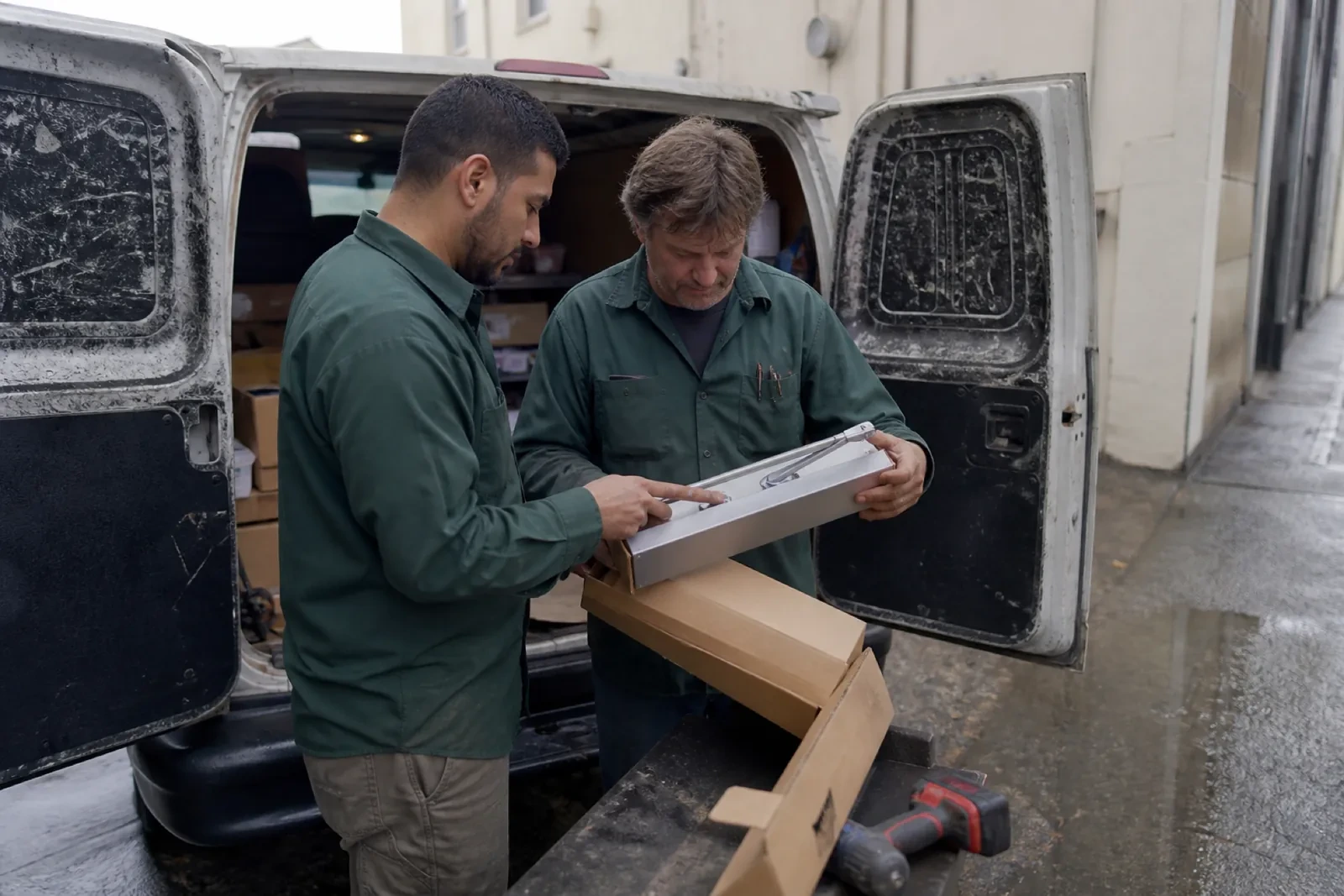
In the van
Key programmer
Automotive pick and decoder
Inflatable air wedge
Silicone spray for door seals
Twelve-volt jump pack
Car Lockout Service
What affects the quote
Dead fob or dead car battery
Replacing a fob coin cell is a small item. Jump-starting a flat twelve-volt battery so the immobiliser wakes is another, and each is named on the quote rather than folded in.
Type of key or fob
A plain metal key, a transponder key with a chip, a remote-head key and a proximity fob each cost different amounts as parts, and each takes its own programming step when one has to be replaced.
Anything you add while the locksmith is there
Some drivers use the visit to have a spare key made, a worn cylinder serviced or the fob battery changed. None of it is needed to get in; each is offered as a separate choice.
What to have ready
- Has anyone already tried to open the car with a tool or a hanger?
- What is the make, model and year of the vehicle?
- Is anyone, including a child or a pet, inside the car?
Car Lockout Service: questions
QuestionsIs an older car easier or harder to open than a new one?
Different rather than easier. An older car usually has a cylinder in every door and simple linkages, so picking or decoding the lock is routine. A newer car may hide its cylinder, has doors full of electronics that call for wedge-and-reach rather than anything inside the door, and adds an immobiliser to any lost-key work. Either way the locksmith chooses the method by the model, not by guesswork.
My wallet, permit and everything else are locked inside. What then?
That is the ordinary case, and there is a routine for it. Tell the locksmith on the phone so the plan is agreed in advance. Often the plate can be matched to a photo of the permit on your phone, a family member can bring identification, or a fleet manager can confirm a company vehicle. Otherwise the door is opened and the documents in the glovebox are checked against your identification before the locksmith leaves.
There is a dog inside and the car is getting hot. Who do I call?
Call 911, and the provincial animal protection line if you cannot reach the owner; the province asks the public to report animals left in hot or cold vehicles rather than break glass themselves. Police and animal welfare inspectors have authority to enter a vehicle for an animal in distress. A locksmith can attend as well, and if you are the owner, the same careful opening gets you and the dog reunited with the car undamaged.
Related services
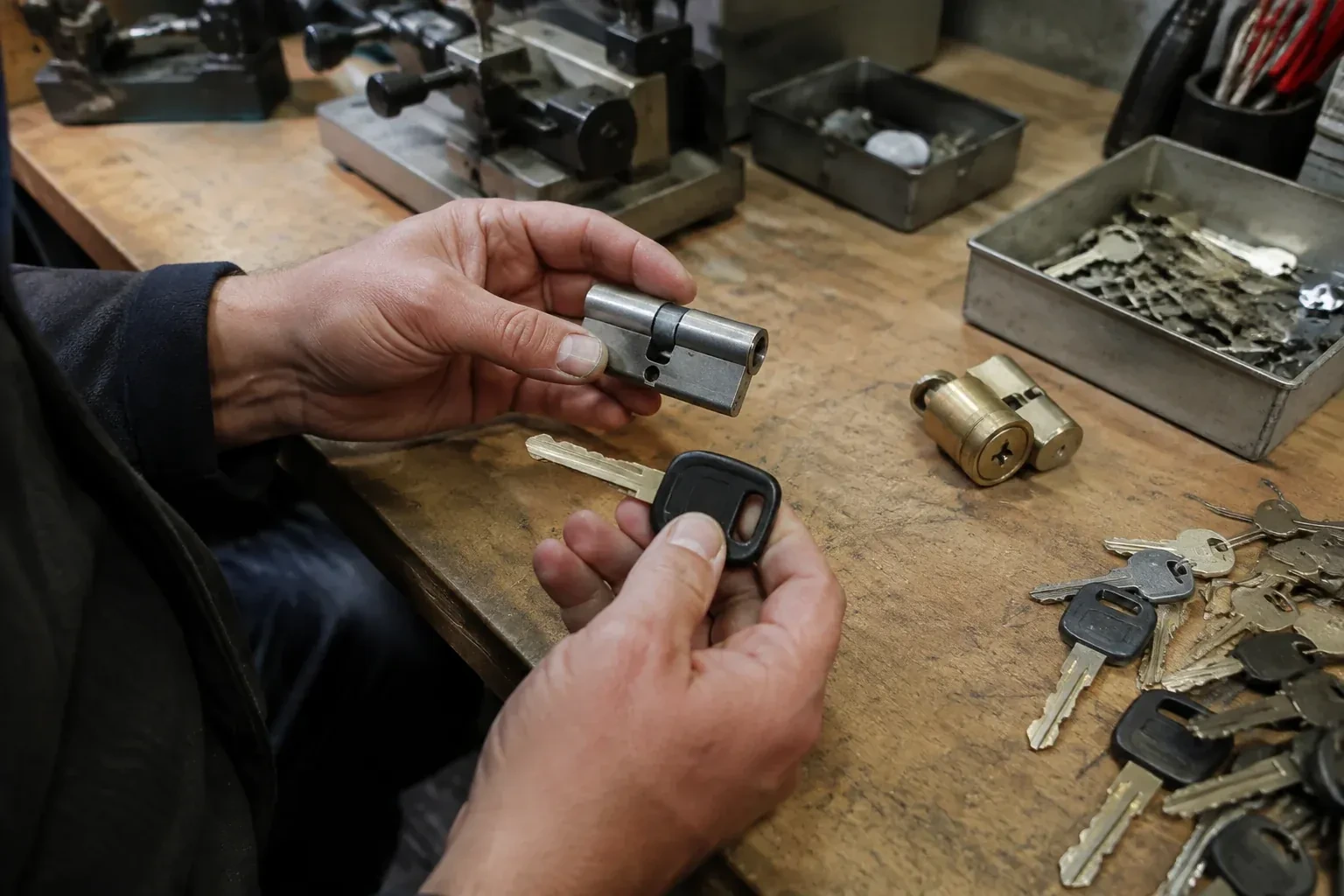
- Spare Car Key DuplicationThe blade on the everyday key has gone shiny and thin along one edge, and lately it needs a wiggle before the ignition catches.
- Key Fob ProgrammingA replacement fob just arrived in its box, shiny and untouched.
- Transponder Key ProgrammingEvery key that ever opened the car is gone at once, one taken with a stolen bag, the spare misplaced months ago and never replaced.