
Commercial · Georgina
Master Key System Design
A dental office wants the front desk to lock up at night without ever holding a key to the room where patient records and controlled supplies are stored.
In plain words
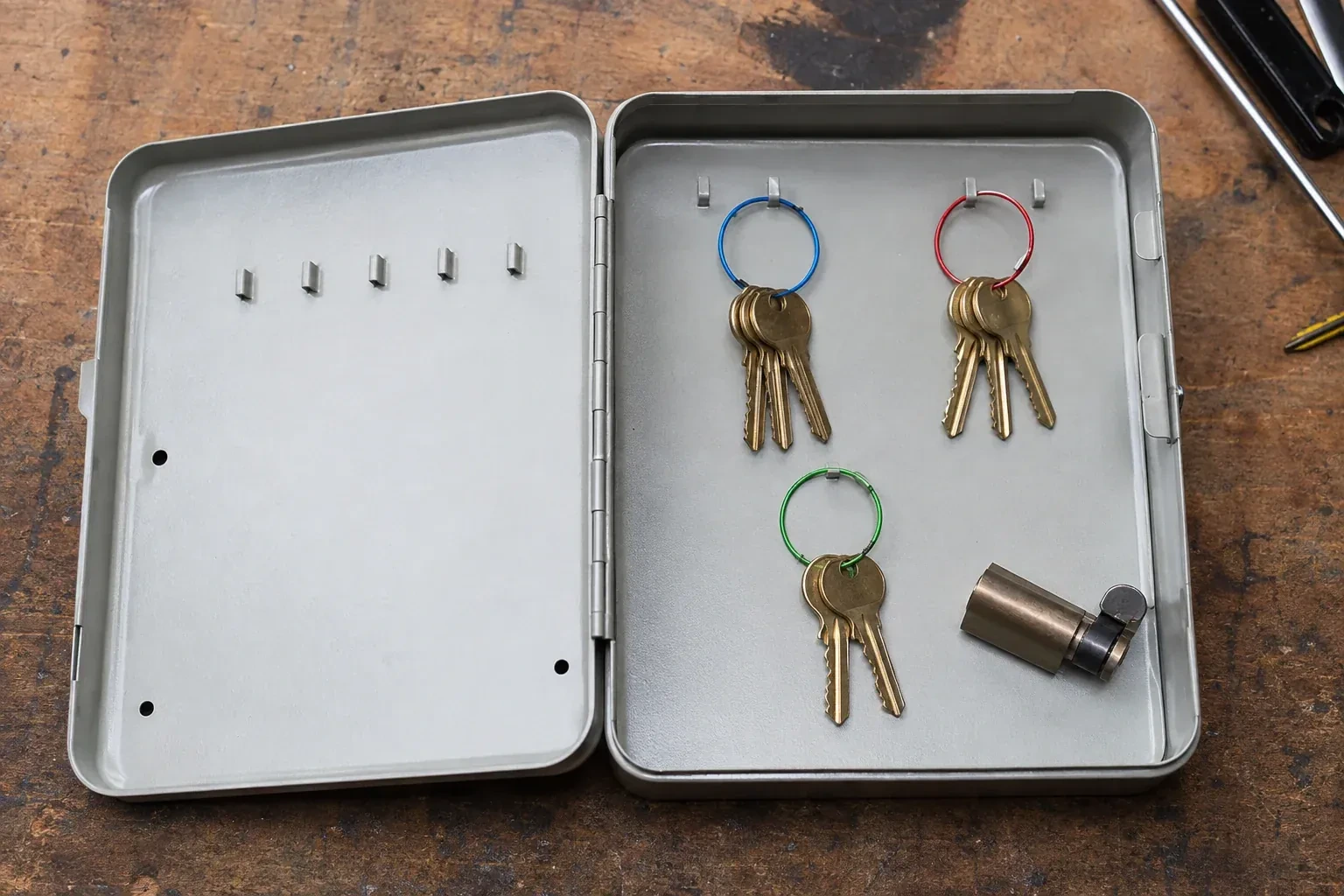
Master key system design is the work of turning a property's separate locks into one coherent hierarchy: a change key for an individual door, a sub-master over a department or floor, and one top-level master reserved for the few people who need it. The locksmith records who should open what, matches that list to the cylinders already installed or to new ones chosen for the job, and pins every lock so each key opens exactly its intended group. The finished system comes with a chart the owner controls, so access follows the organization instead of following whoever happened to be handed a spare key.
How the visit goesA dental office wants the front desk to lock up at night without ever holding a key to the room where patient records and controlled supplies are stored. Right now one master key opens both, which nobody is comfortable with once it is pointed out.
Master Key System Design
How the visit goes
What is already on the doors
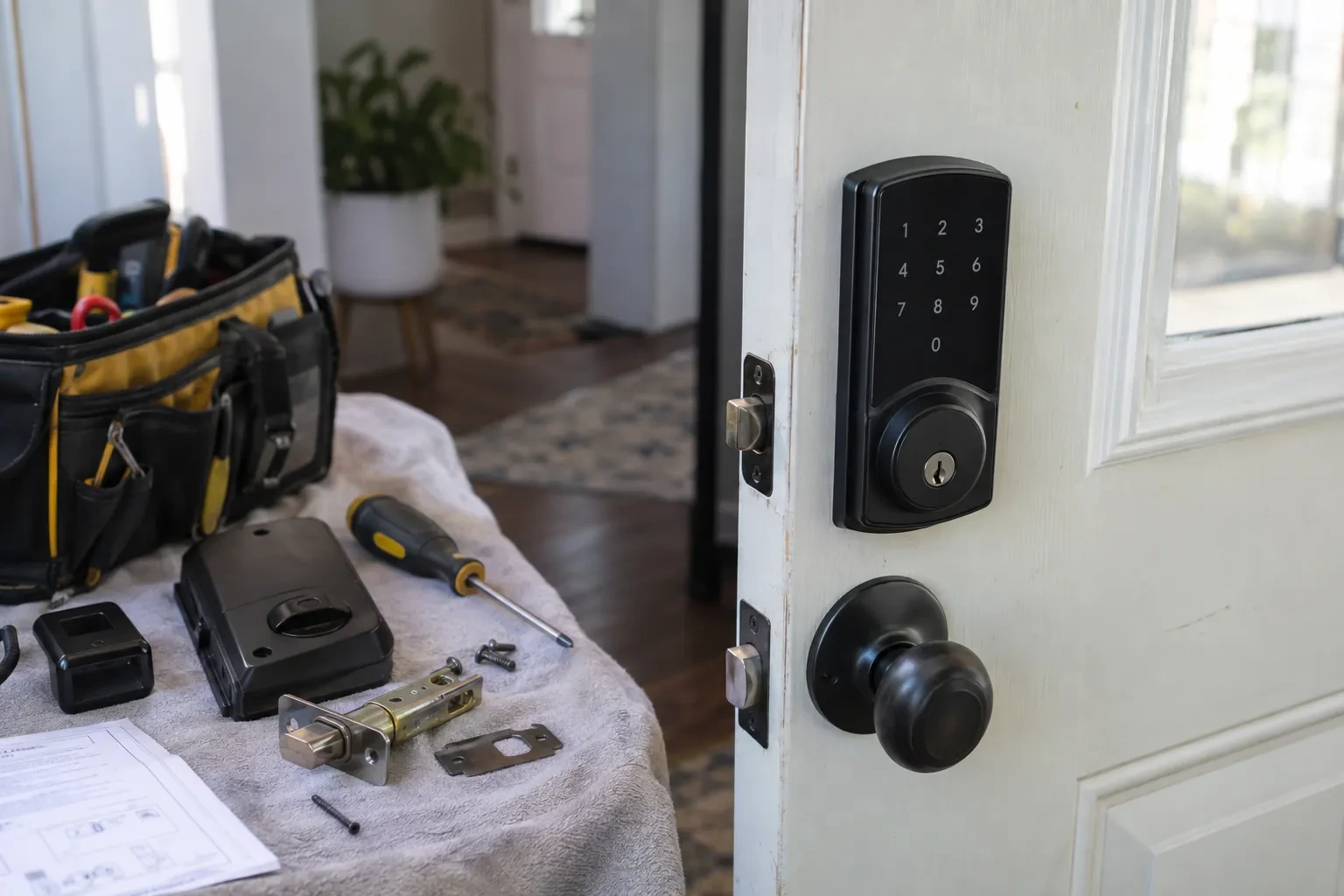
Every door on the property is walked and logged: the cylinder brand or keyway, whether it is a knob, lever, deadbolt or mortise case, its condition, and which doors currently share a key by accident rather than by design. This inventory decides how much of the existing hardware can join a new hierarchy without modification and how much needs replacing to fit cleanly into the planned levels. Skipping this step is how master key projects end up half-finished, with some doors on the new system and others quietly left on whatever key they always had.
Working around a building that is already occupied
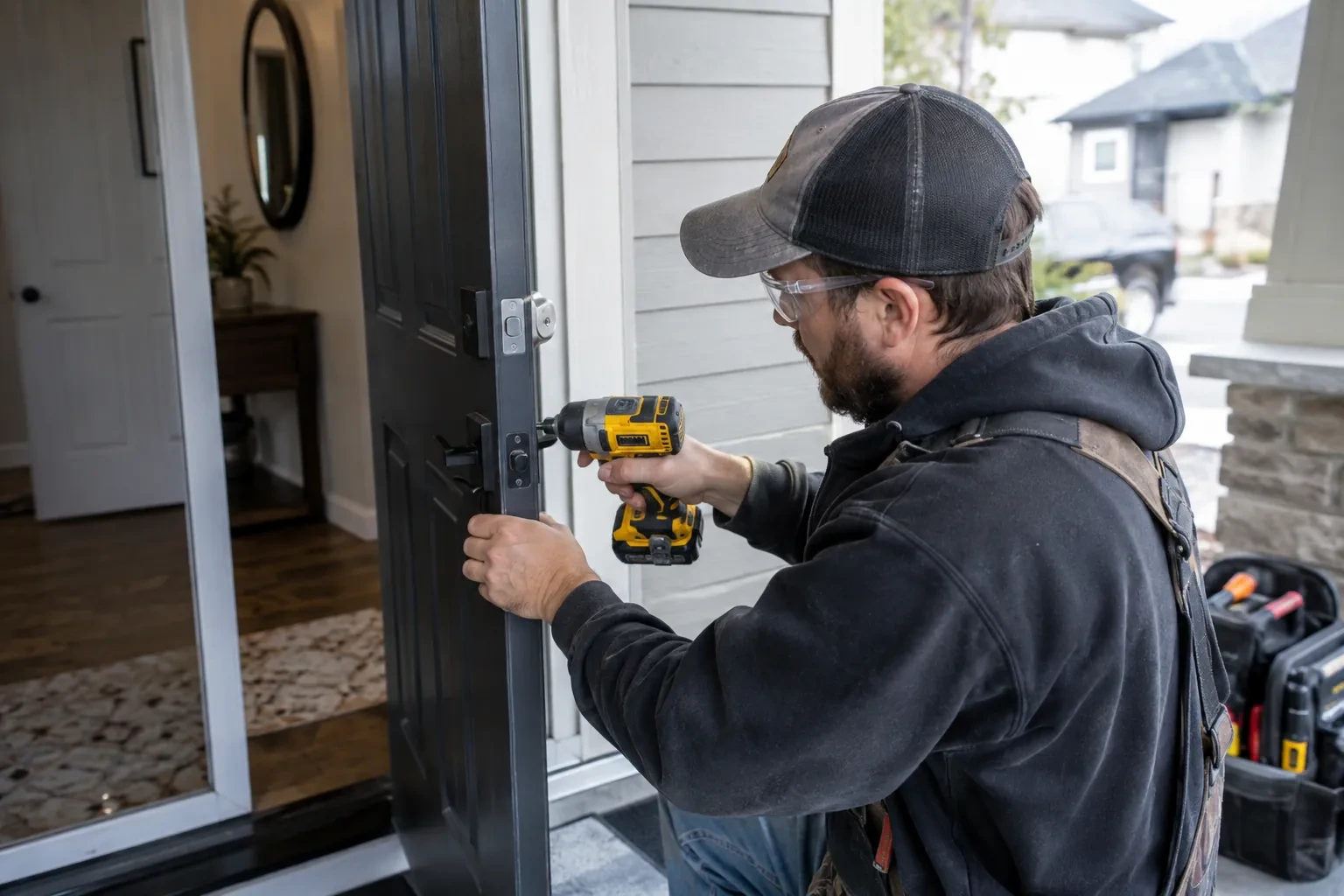
In an occupied property, doors are rekeyed in a planned order rather than all at once, so a department is never left without a working key partway through a shift. Interim arrangements, such as a temporary key for a door being converted to a new level, are agreed in advance and closed out the same visit they are used. This staged approach lets a business keep operating through the change instead of losing access to parts of the building while the new hierarchy is being built.
A building that finally matches its own org chart
The most visible change is often the simplest one: the level of key someone carries now matches the role they actually hold, instead of matching whatever happened to be handed down or copied over the years. Walking the building afterward, each door answers to keys that were deliberately assigned to it, and the chart in the office explains every one of those decisions to anyone who asks about it.
Master Key System Design
In the van
Cylinder decoders
Master pin kits
Bench test fixture
Plug follower and key gauge
Key cutting machine

Master Key System Design
What affects the quote
Any optional upgrade chosen along the way
Some businesses use the project as an opportunity to also upgrade a door closer, add a keypad to one entry, or reinforce a strike plate. None of this is required for the master key system itself, and each optional item is quoted as its own line.
Compatibility of existing hardware
Cylinders that can join the new hierarchy without modification keep the project smaller. Hardware that is mismatched, worn or built on an incompatible keyway needs replacing to fit cleanly into the plan, and that replacement hardware is a separate line from the design and pinning work.
Whether hardware needs replacing for accessibility
Doors on a barrier-free path of travel need lever or paddle-style hardware rather than round knobs, so a property with several such doors that currently have incompatible hardware has more replacement work folded into the project than one already fitted with compliant hardware.
What to have ready
- Is a top-level master needed, and for how many people?
- Are there any doors you want left outside the master system entirely?
- Do any doors need restricted or patented keys for duplication control?
Master Key System Design: questions
QuestionsCan cleaners or contractors get limited access without a master key?
Yes. A change key or a narrow sub-master covering only the areas they service is the usual approach, rather than handing over a level that reaches further than the job requires. Where the property uses keypad or card access alongside mechanical keys, a time-limited or role-specific electronic credential can serve the same purpose without a physical key changing hands at all.
How is the key chart kept private?
The chart is handed to a named administrator rather than left as loose paperwork, and it is stored somewhere only that person can reach, separate from day-to-day office records. It is not published, circulated widely or kept alongside general building documents. When the administrator role changes hands, custody of the chart moves with a signed acknowledgement rather than being passed along informally.
Who should hold the top-level master key?
As few people as the business can genuinely operate with. Every additional holder is another way a full-access key can be lost, borrowed or copied without anyone deciding that should happen. A useful test during design is asking, for each proposed holder, whether they need to open every single door on the property or only a defined group; the second answer usually points to a sub-master instead.
Related services
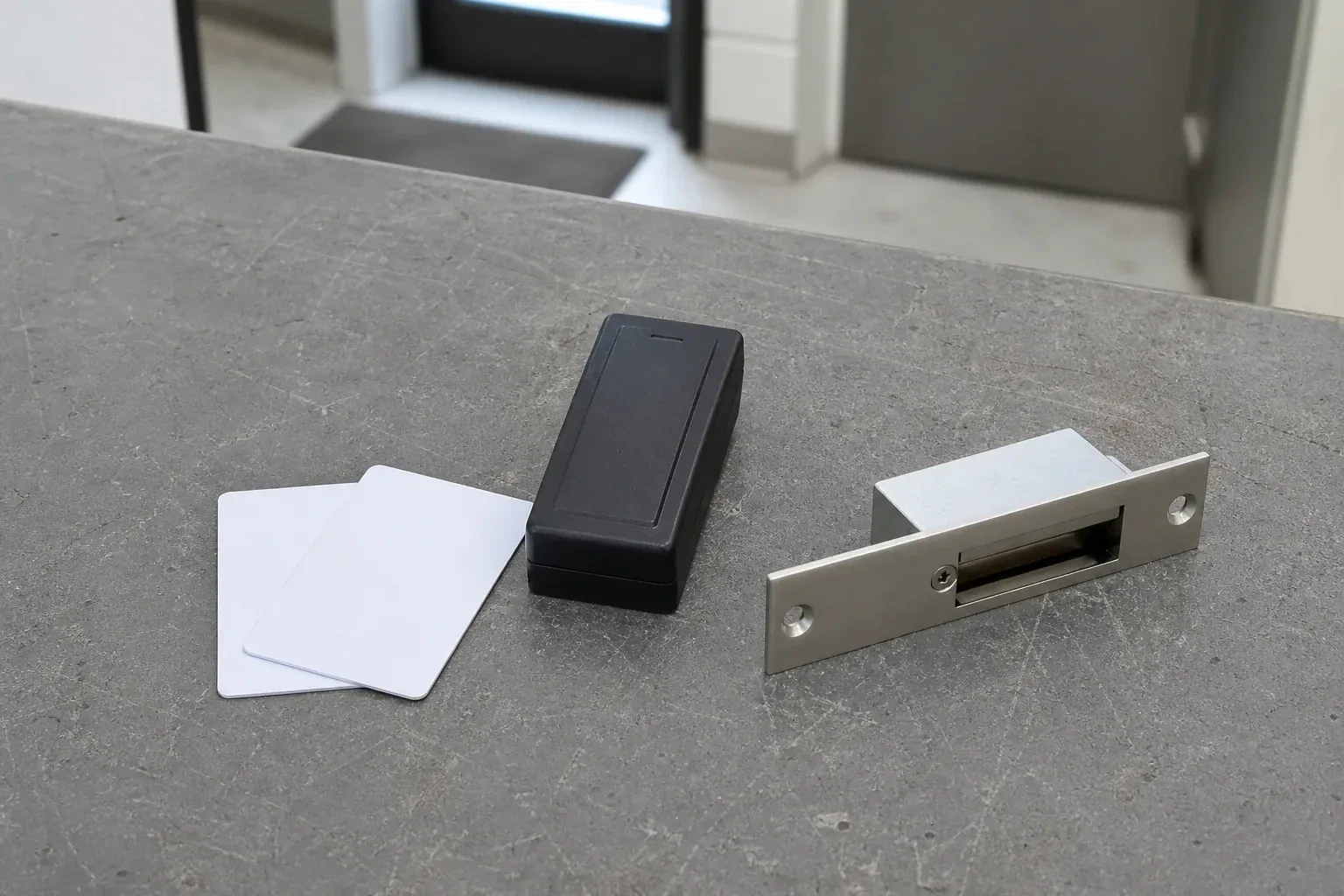
- Access Control InstallationThe keypad on the side door has started sticking on cold mornings, codes get shared instead of reset, and half the staff still remember a code you meant to retire two hires ago.
- Panic & Exit HardwareTwo doors used to swing as a pair at the community hall entrance, but one leaf has started closing before the other, catching the astragal and leaving a gap wide enough to worry the caretaker.
- Commercial-Grade Lock ReplacementHead office wants every branch keyed alike under one system, and half the locations are still running whatever lockset the original contractor happened to install years ago.