Locksmith in Brock, OntarioAfter a break-in,the door comes first
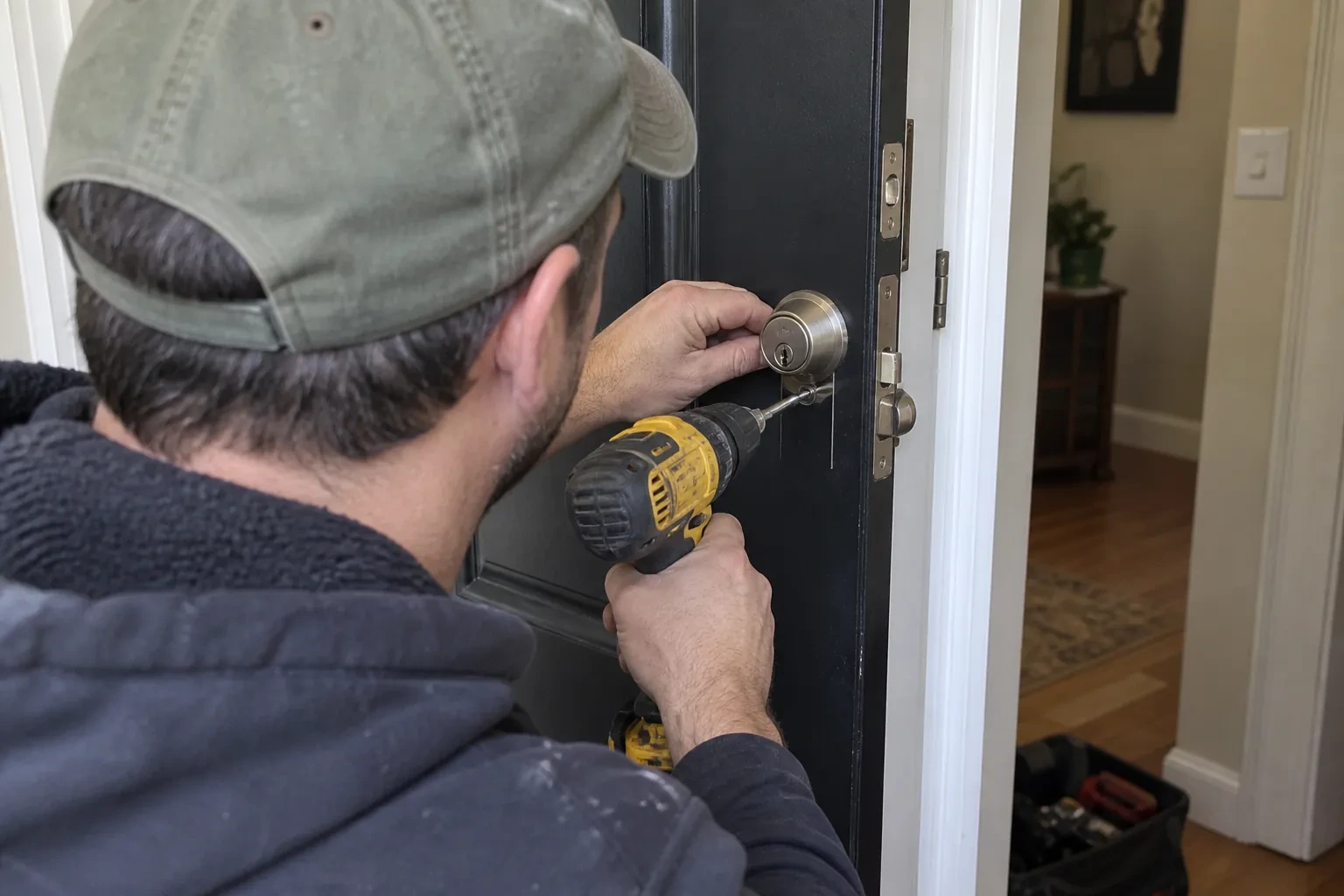
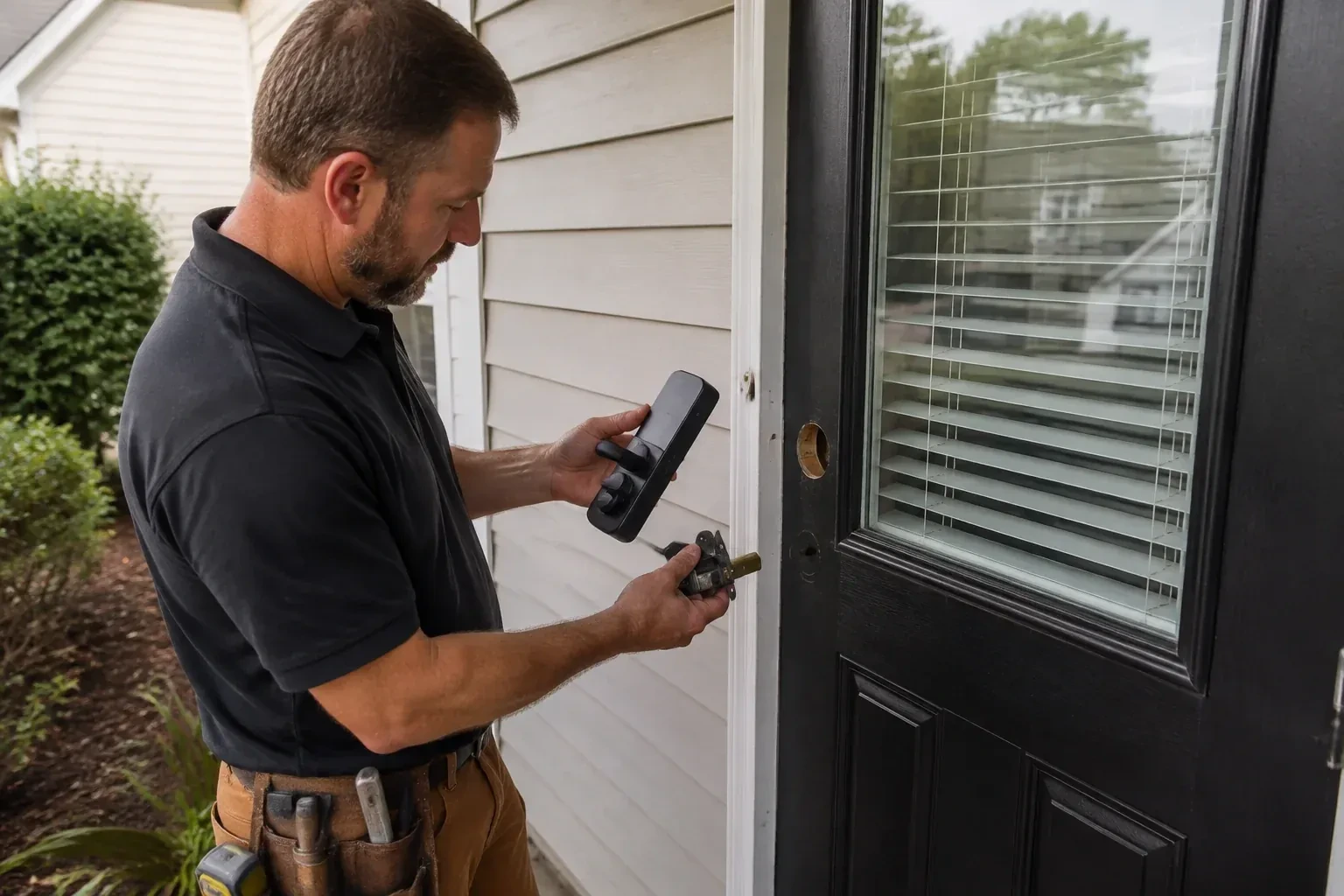
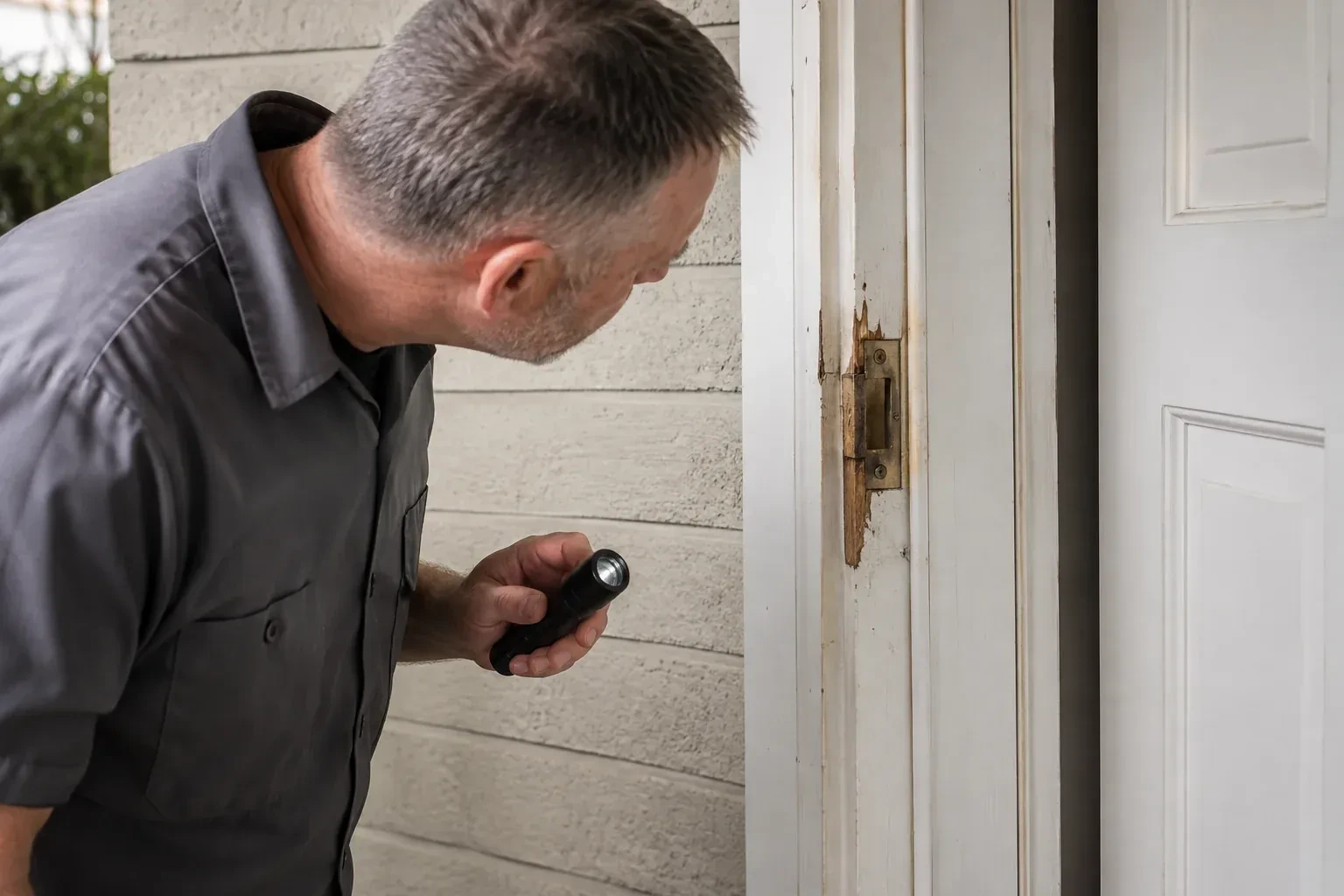
Once the report is filed, the door still has to lock tonight. In Brock we repair split frames and bent strikes, replace damaged cylinders, rekey anything that might have been compromised, and talk through sensible upgrades later, once the house feels like yours again.
Once the report is filed, the door still has to lock tonight. In Brock we repair split frames and bent strikes, replace damaged cylinders, rekey anything that might have been compromised, and talk through sensible upgrades later, once the house feels like yours again.
Careful work on every kind of lock.
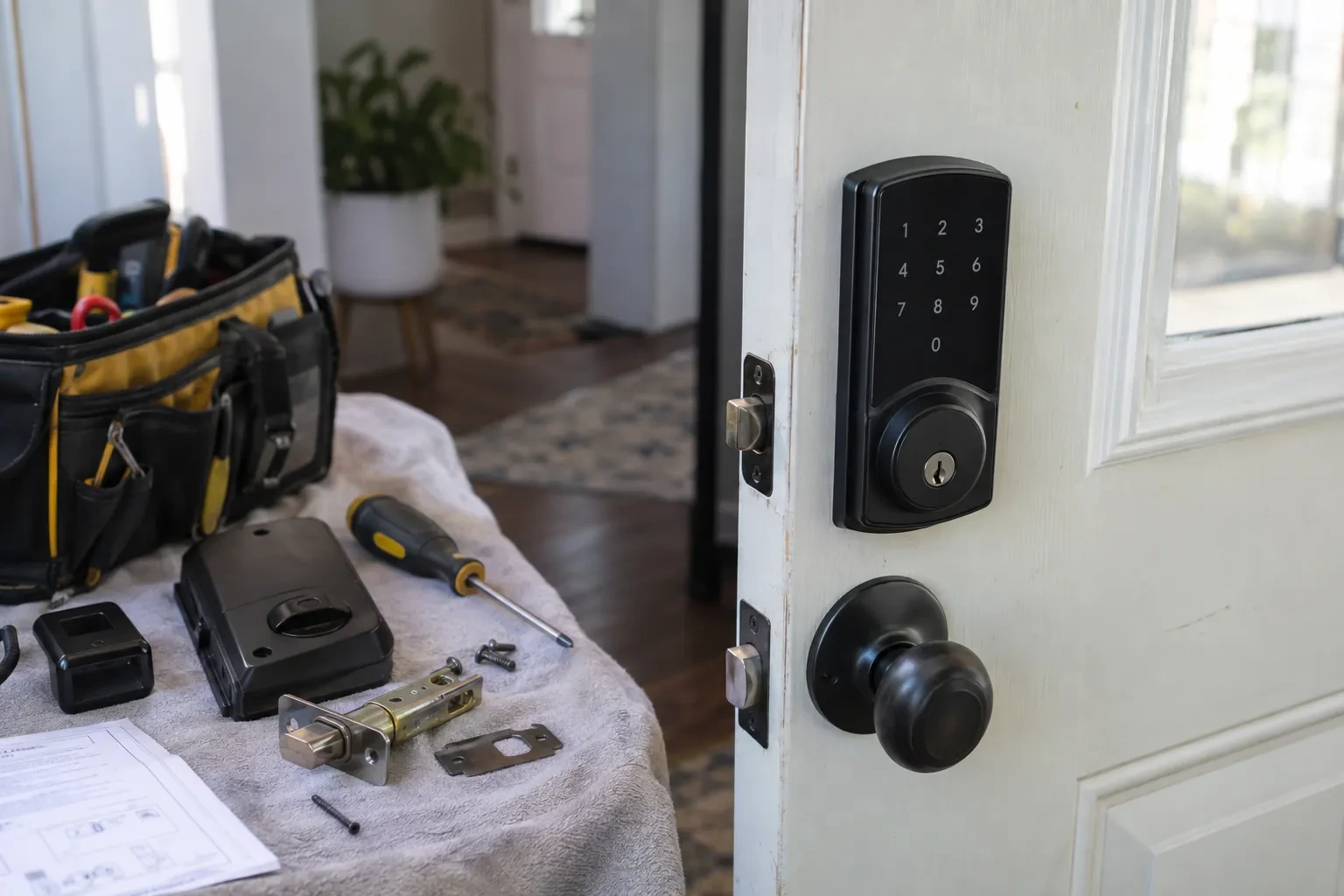
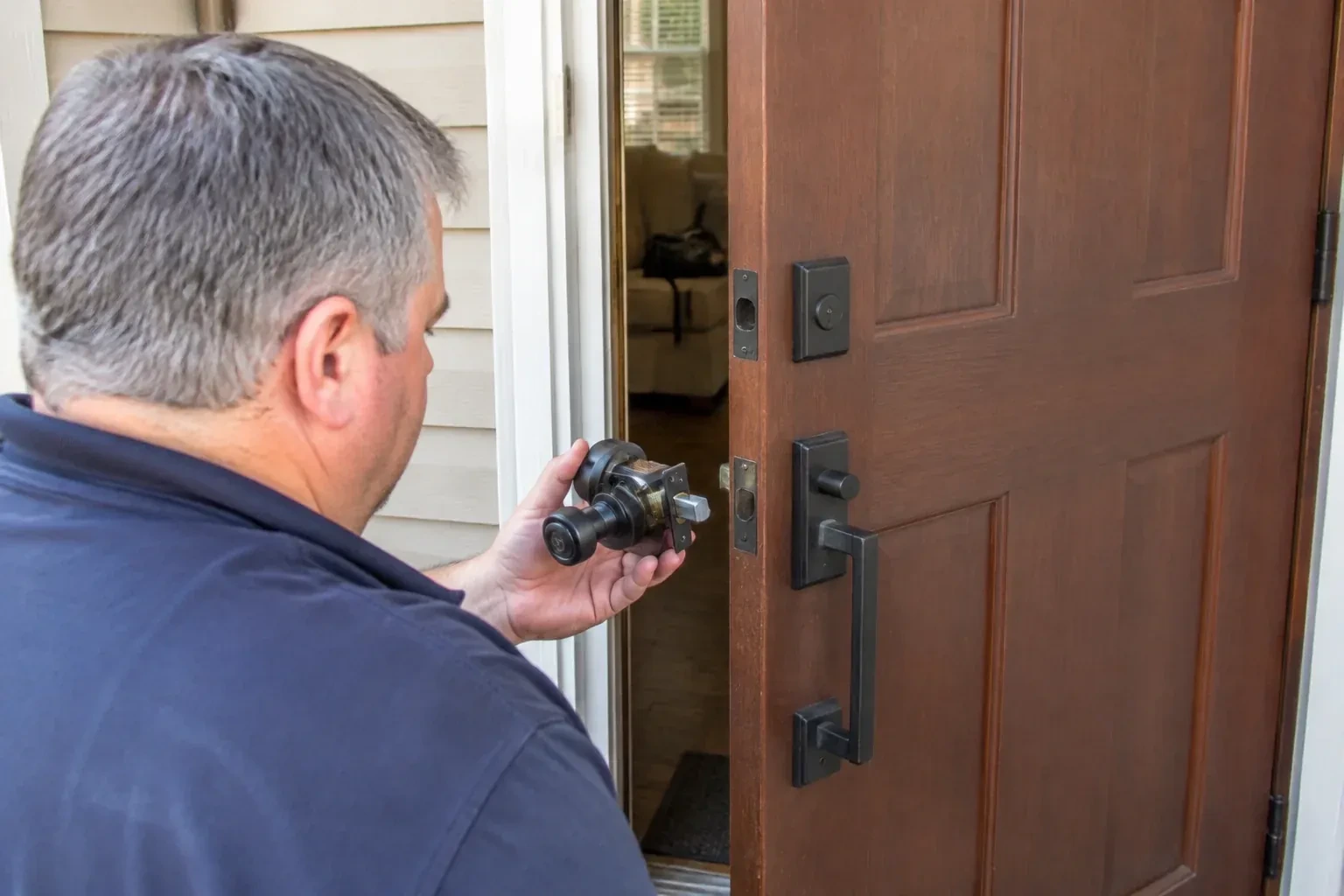
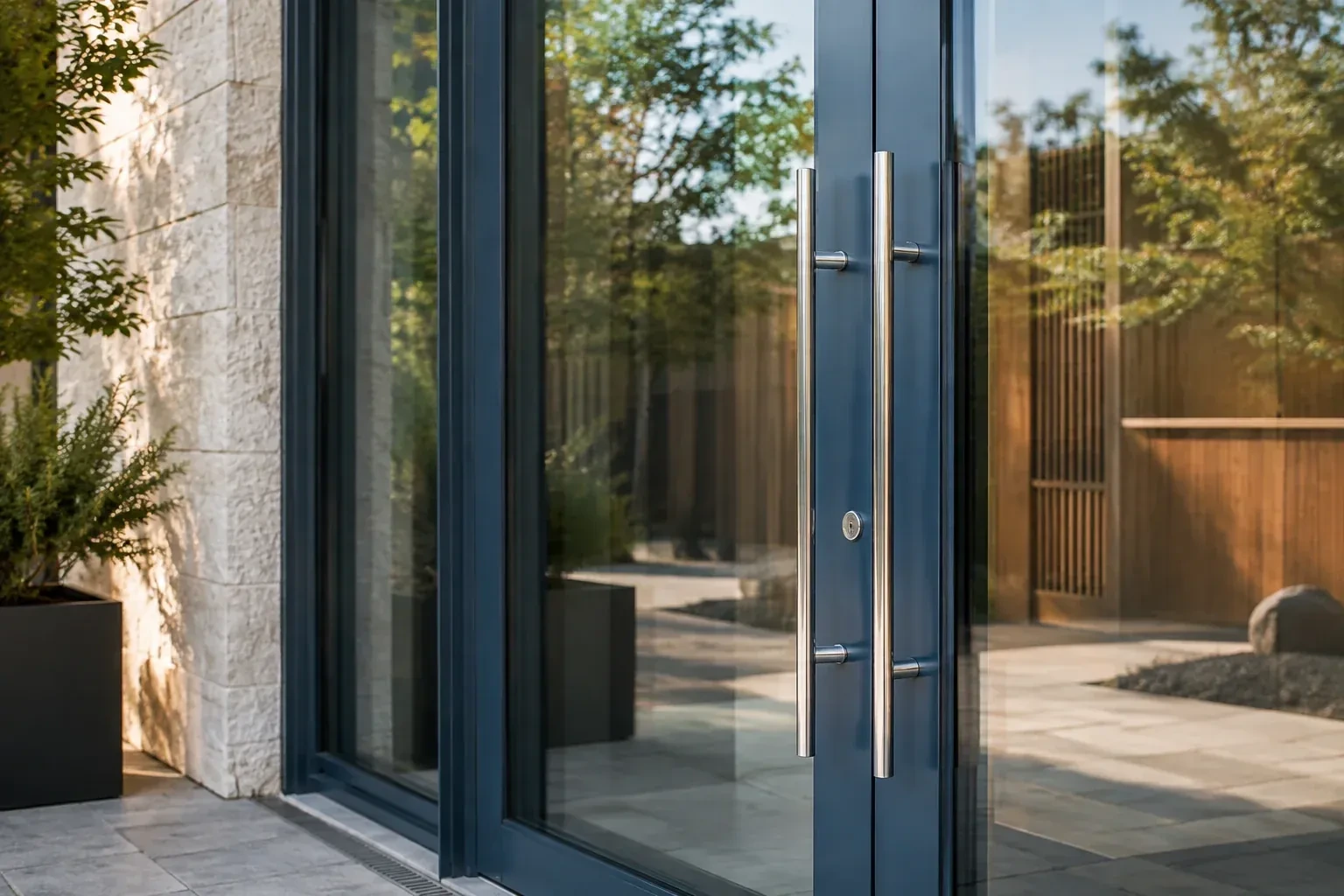
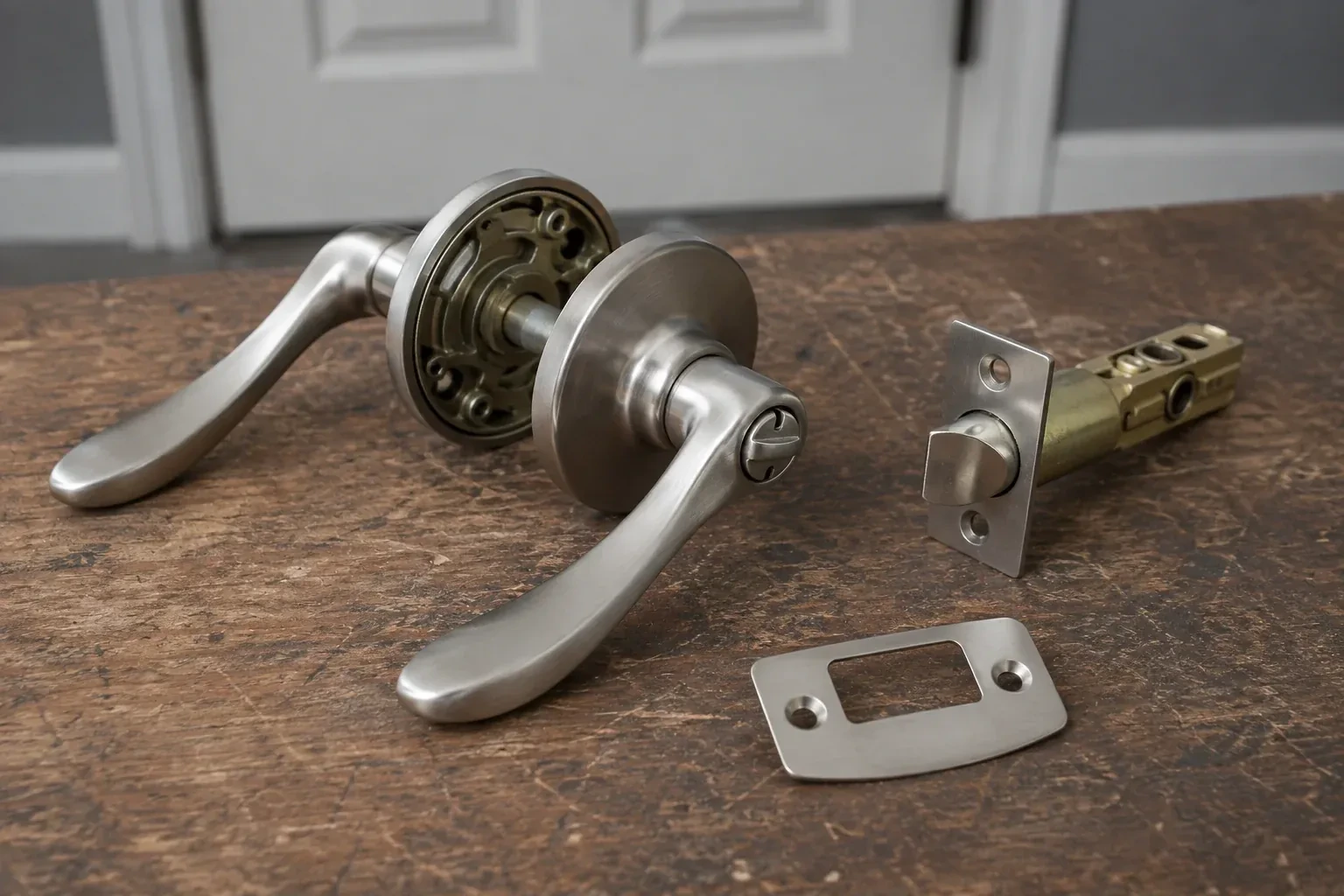
Hardware for Brock homes is chosen for the door, not the catalogue. We look at the thickness, the bore, the backset, the swing and the finish already on the house, then bring options that fit without new holes or mismatched brass. The result looks as though it was always there, and it locks the way the door deserves.
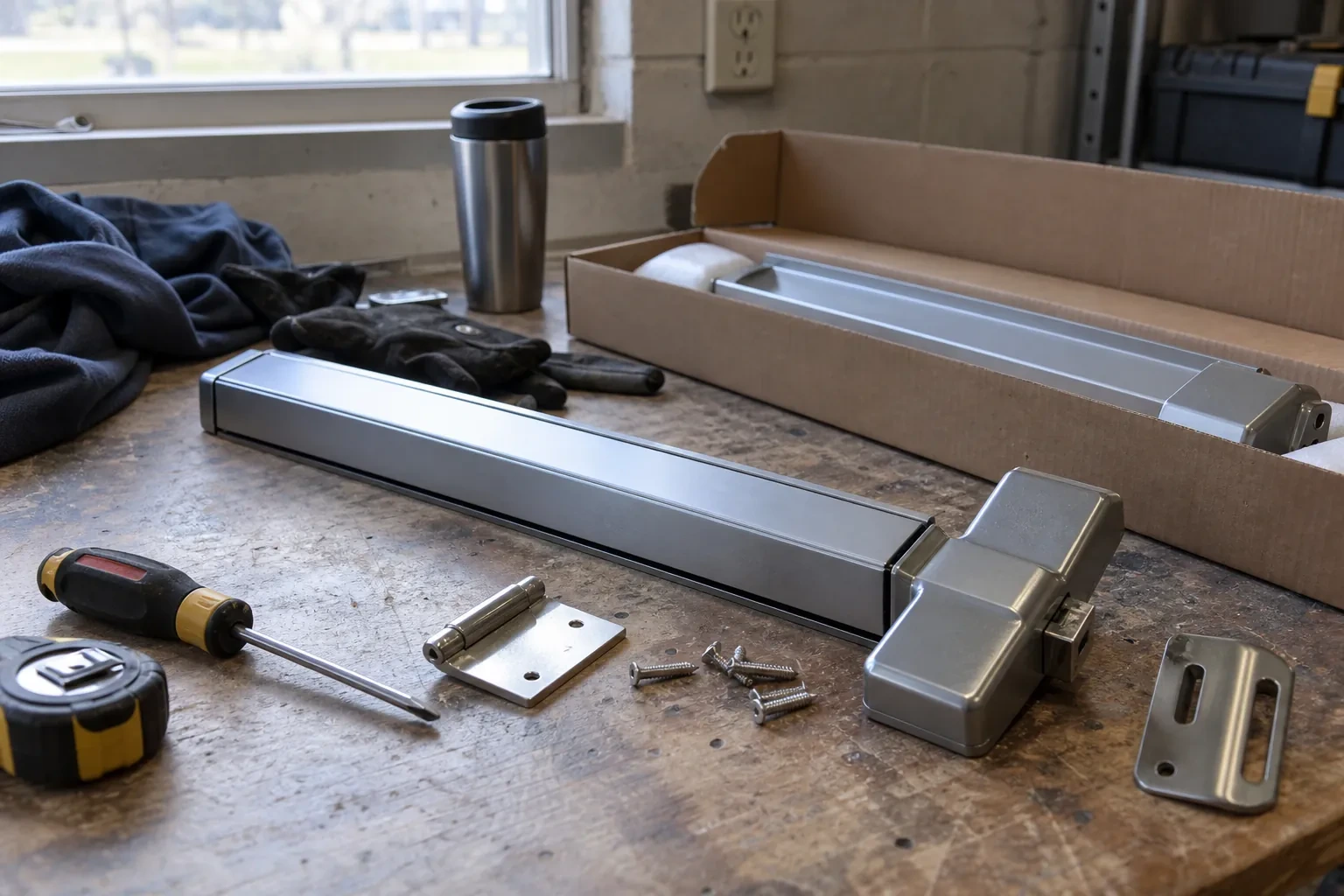
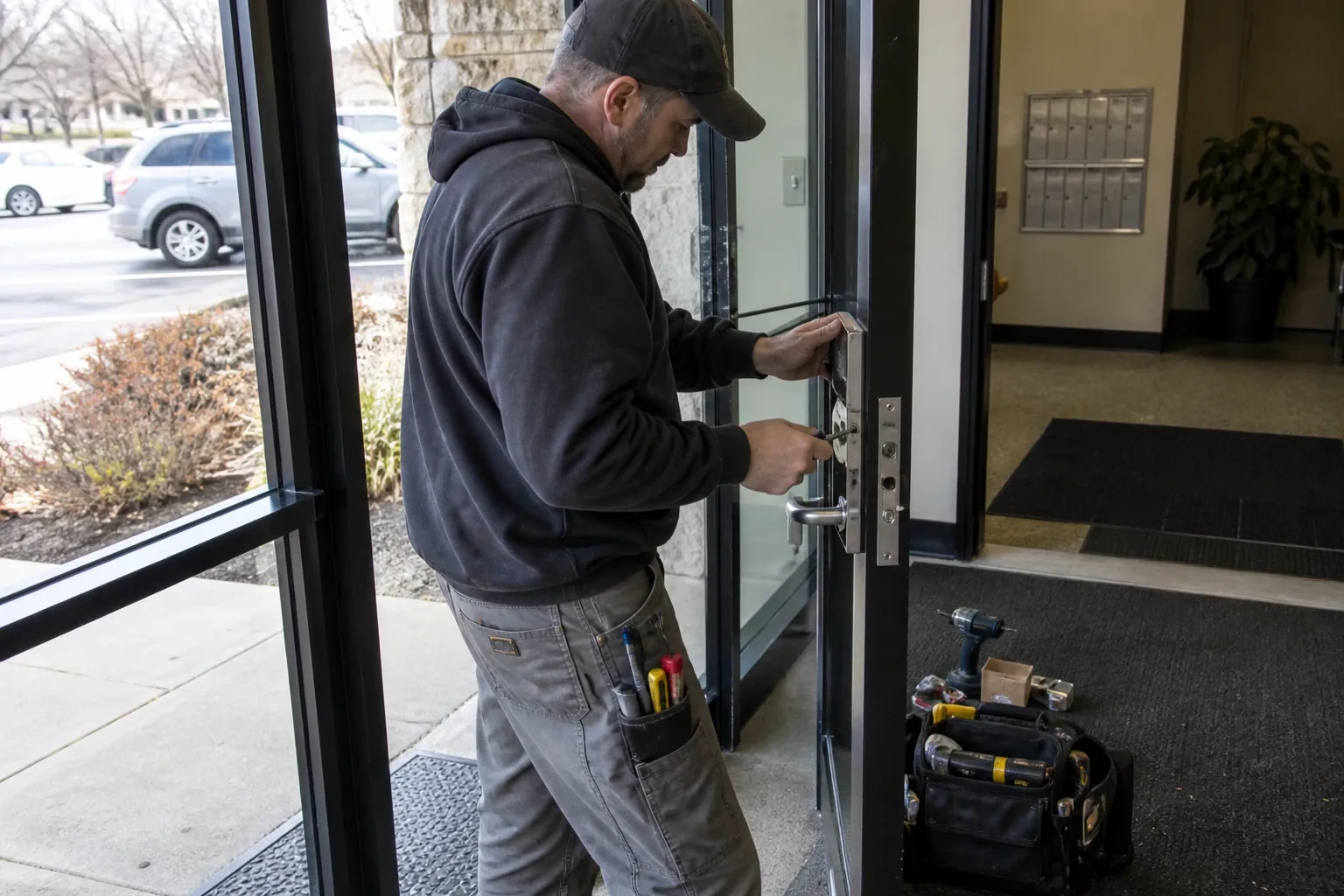
Panic hardware and exit devices in Brock businesses need to let people out easily while keeping the outside secure. We install and service them with attention to how the door actually closes, because a device that works on the bench but not on a sagging door has solved nothing. We explain the practical point of each part as we fit it.
15years in business
24/7open every day
Clear about who can get in. After any rekey or replacement we tell you exactly which keys work and how many copies exist. Key control is the point, and you should have the full picture.
Careful with the building. We protect floors and finishes, work around your day where we can, and treat a shop or office with the same care as a home.
The choice explained in your terms. Rather than product names, we talk about what each option means for you: who has access, how it copes with weather, how easy it is to change later.
Choose a service to see how it works in Brock. Each page explains the situation it suits, what the locksmith looks at first, how the job is done, and how to look after the hardware afterwards. If your problem sits between two services, either page will get you to the right conversation.
About 64% of homes in Brock were built in 1980 or earlier, according to the 2021 Census.
Older homes
Established homes often have non-standard bores and backsets from an earlier generation of hardware. A locksmith working in such an area carries adapter plates and cylinders in the older sizes, so an upgrade fits the existing door instead of forcing a new one.
Single-detached houses make up about 87% of homes in Brock (2021 Census).
Mostly houses
Families in houses hand keys to children, cleaners, dog walkers and neighbours. A locksmith can set up a keypad on the side door for the household and keep the front door on a conventional key, so access matches how the family actually comes and goes.
Getting past an ordinary lock is a skill many people have. Getting past a high security lock is loud, slow and uncertain, which is exactly the point. The services here make your door the one an intruder decides is not worth it.
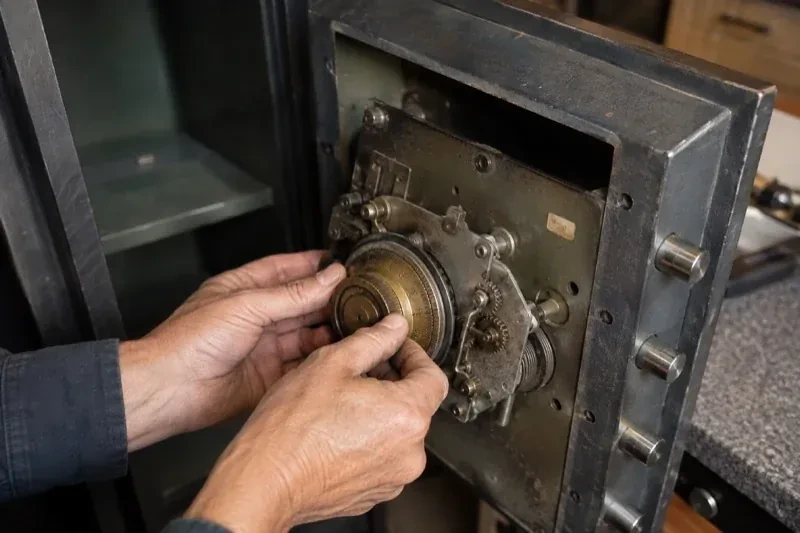
Decades of daily use have left the law firm's old dial safe drifting: the numbers line up close to where they should, never quite enough to drop the bolt.
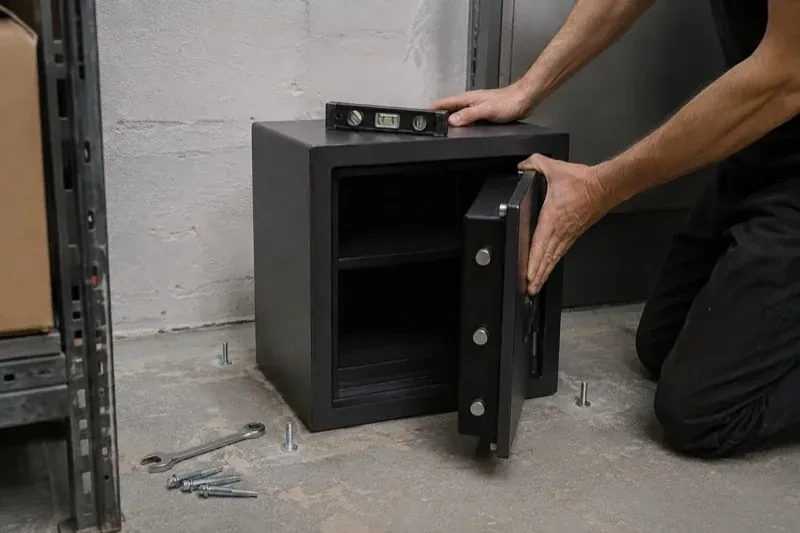
Behind the filing cabinets sits a heavy floor safe nobody ever bolted down, left exactly as the last owner set it. It opens fine, but a determined pair of hands could simply tip it into a van.
Which fix fits?
The key slides in and turns all the way round, but the bolt stays put.
WhySteel-clad and fibreglass doors, the common insulated entry doors in newer subdivisions, take a deadbolt happily as long as they are cut for it properly.
The house is fifteen years old and every exterior door still wears the light hardware the builder fitted: a short bolt, a thin strike held by two small screws, and a knob lock that never suited a street entrance.
WhyOne compartment, one lock, one set of new keys, nothing else touched.
The back door of the shop runs on one key, and by now it lives on six different rings: yours, two managers, a cleaner, a supplier who restocks early, and a keyholder nobody quite remembers approving.
WhyAn exit door does not stop being an exit once it is wired into an access control system.
The key still opens the seat and unlocks the fork, but at the ignition it needs a slow half-turn and a small lift before the switch engages, a habit that has crept in over years of daily starts.
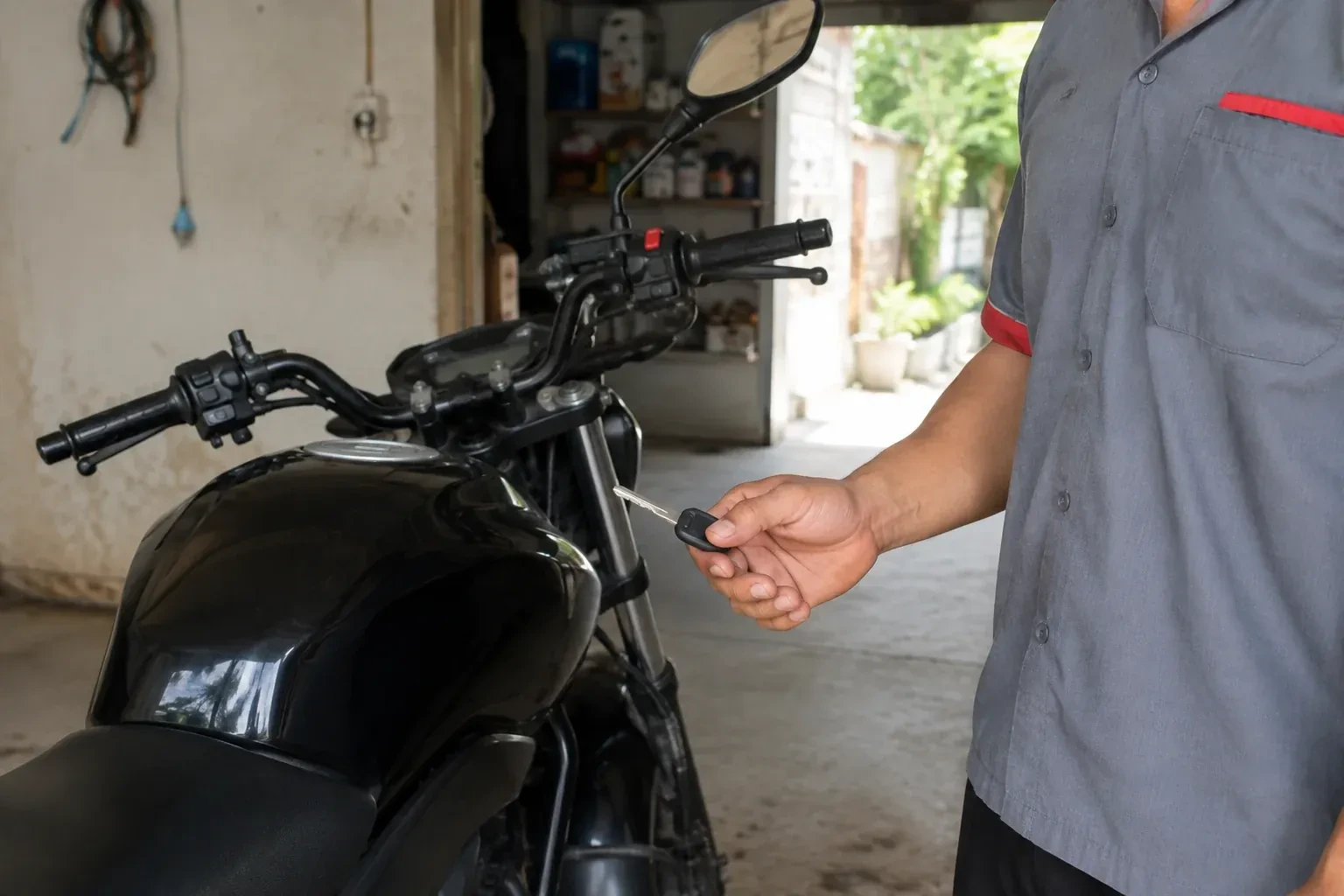
WhyNewer machines add an electronic layer to a mechanical lock: a chip inside the key carries a coded signal that the ignition module checks before letting the engine run, so a correctly shaped blade that lacks the right chip will turn the switch without starting anything.
How a visit goes
Describe the property, the hardware and what has changed, and the visit starts from what you have seen.
1
2
3
01
Walking the building together
We visit each door on the plan and talk about who uses it, how often and at what hours. Wiring routes and power are checked at the same time.
02
Installing readers and locks
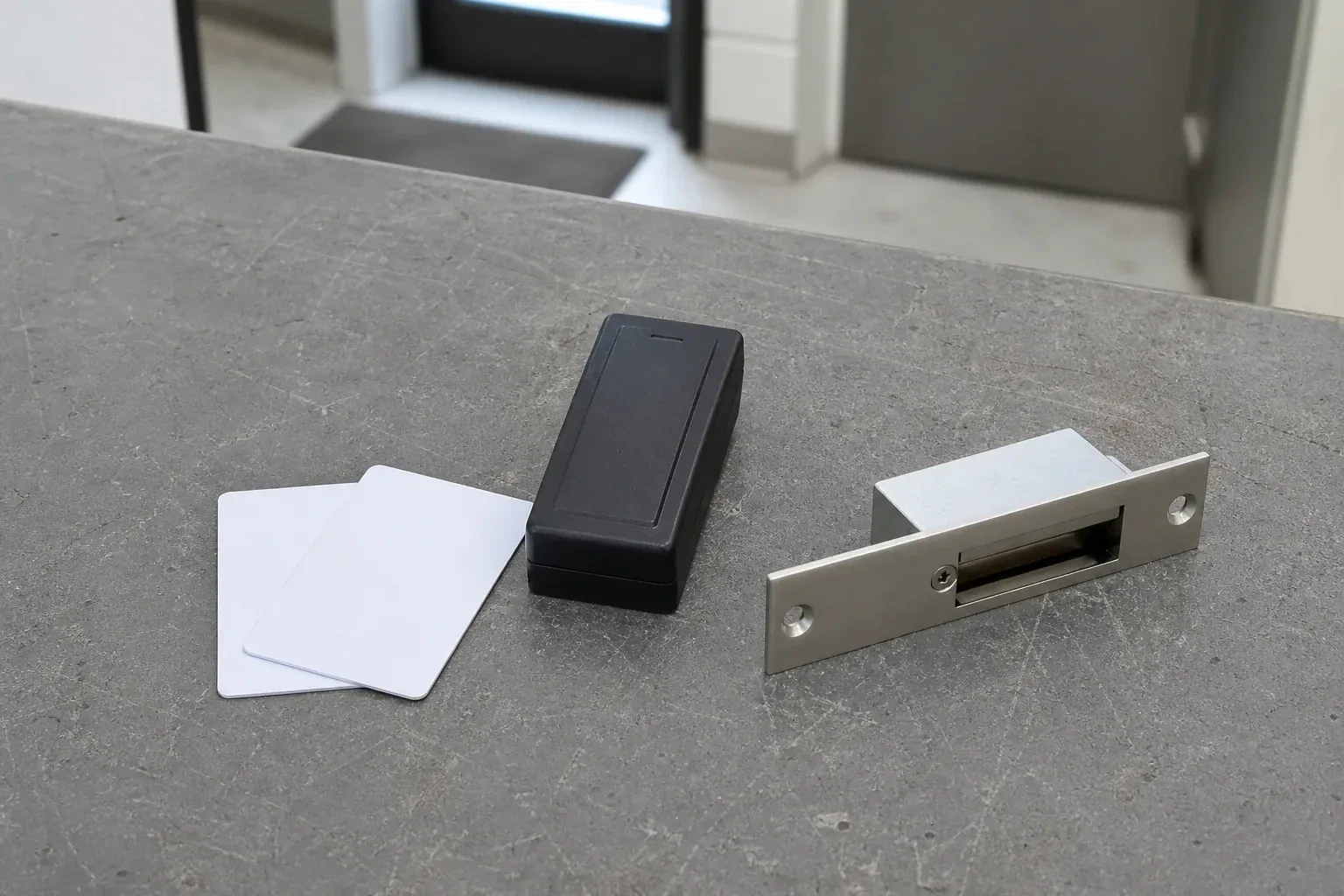
Readers, electric strikes or maglocks and the controller go in with cables hidden where the building allows. Every door is tested for release and re-locking.
03
Setting up users and handover
We add the first users, show your administrator how to add and remove people, and leave written notes so the system is yours to run.
Good days. Start with a turn.
1/9Home Lockout Service
The key slides in and turns all the way round, but the bolt stays put. There is no click, no resistance, just a key spinning in a lock that has stopped listening to it after years of daily use.
Minus eighteen with a wind, and the exterior cylinder on the shop door has frozen solid overnight after yesterday's slush. The key goes in halfway and stops. The delivery driver is due, the phone is ringing inside, and nobody can reach it.
Overnight the deadbolt froze, and this morning the key would only turn partway. One more push and it sheared off flush with the face of the cylinder. There is nothing left to grip, and the cold is not helping.
The shop's lever handle goes down as usual, but the latch inside the mortise case never pulls back. Staff are waiting on the sidewalk with their coffees, the door is locked, and the handle is simply moving air.
The door from the garage into the kitchen closes on a passage knob with no lock at all. Anyone who opens the garage is one turn of a handle from the house, and the insurance renewal form has a question about exactly that.
The house is fifteen years old and every exterior door still wears the light hardware the builder fitted: a short bolt, a thin strike held by two small screws, and a knob lock that never suited a street entrance.
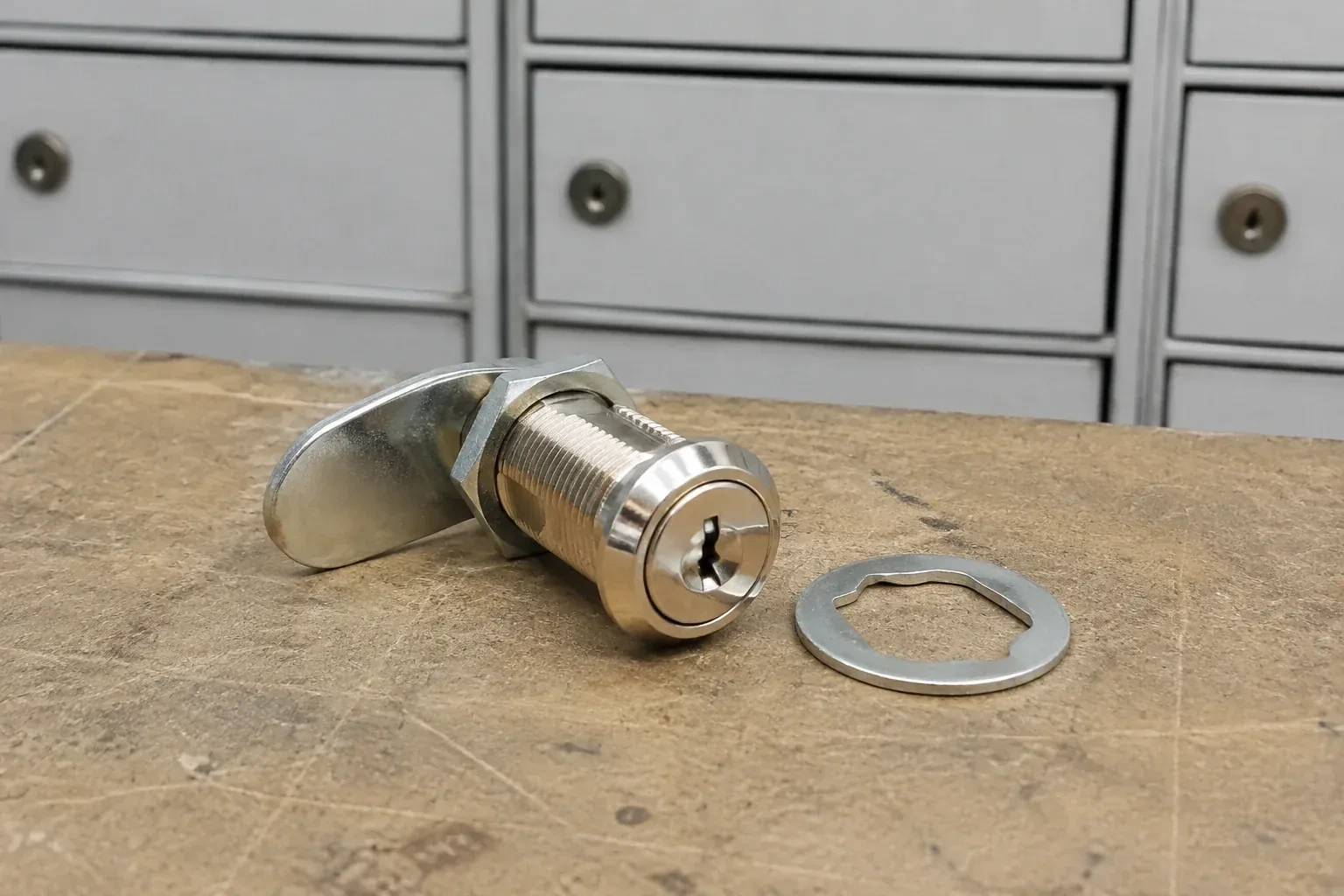
After a winter of road spray and salt, the little lock on the mailbox door has gone stiff, then gritty, then almost immovable. Rust has crept in around the keyway, and the key barely turns anymore no matter how it is worked.
The back door of the shop runs on one key, and by now it lives on six different rings: yours, two managers, a cleaner, a supplier who restocks early, and a keyholder nobody quite remembers approving.
The key still opens the seat and unlocks the fork, but at the ignition it needs a slow half-turn and a small lift before the switch engages, a habit that has crept in over years of daily starts.
How should I look after my lock so it stays reliable?
A little attention twice a year is enough. Follow your lock's own care instructions: many take a puff of dry graphite or PTFE lubricant worked in with the key, some a specified liquid product instead; general-purpose oils collect grit. Retire keys that have worn thin and cut fresh ones from a crisp original or the code. Snug up hinge and strike screws each spring and fall as the door moves with the humidity. A key that starts needing a wiggle is an early warning worth acting on.
Last night the door would not lock either. Is that the same problem?
Sometimes, though a deadlatch that will not catch at closing and a bolt that refuses to withdraw at opening are different mechanisms, not automatically the same fault. A door dropped on its pivots or a cam slipped behind the cylinder can affect either one; a closer stopping short of the strike explains a latch that will not catch but not a bolt that will not retract. The locksmith checks each symptom on its own during the visit and tests the door closing under its own weight before leaving.
What happens if the piece cannot be removed?
It is rare, and it is discussed before anything changes. A glued, jammed or corroded-in fragment can usually still be reached by taking the cylinder off the door and working the plug out from the back. If even that fails, the cylinder is drilled where plug meets housing, sacrificed and replaced on the spot with new keys cut, so the door locks normally by the time the locksmith leaves.
Can a seized lock be opened without damaging it?
In most cases, yes. A bolt held by the door is freed by relieving the pressure on the door. A cylinder clogged with grit or ice is cleaned and thawed until it turns. A failed tailpiece is bypassed and replaced. The lock stays on the door with its finish and your existing keys. A plug or shell that is worn, damaged, or eaten through by corrosion or earlier forcing is what has to be replaced, and that is explained before any work starts.
Can a keypad or smart deadbolt be fitted instead of a keyed one?
Yes, and the preparation is the same. Many electronic deadbolts use the standard 54 mm bore and the same edge bore, so a door cut for a mechanical bolt often accepts one, and a keyed bolt fitted today can usually be swapped for a keypad later, subject to that model's own bore, backset and thickness needs. The locksmith checks door thickness against the model, fits a reinforced strike as usual, sets up codes with you and shows where the backup cylinder or battery terminals are.
What happens to the old lock?
It is yours. Some people keep a sound old cylinder as a spare or move a decent deadbolt to a shed or garage door, and the locksmith can rekey it to the house key for that purpose. Worn or damaged hardware is taken away for recycling if you prefer. Either way, the old keys should be gathered up and discarded so nobody confuses them with the new set.
I just moved in and have no key at all. Can you still help?
Yes, and it is a common reason for this visit. Ownership or a lease showing the address, plus photo identification, is generally enough to confirm the compartment is yours to change. The old lock is opened without a key using the same techniques used elsewhere, then swapped for a new one, so whoever held the previous key no longer has any use for it.
What's the difference between an electric strike and a magnetic lock?
An electric strike fits into the existing door frame and works with the door's own latch or bolt, releasing it briefly for a valid credential while otherwise behaving like an ordinary strike plate. A magnetic lock instead clamps the door shut with an electromagnet mounted at the head of the frame, and it is always installed with a request-to-exit device so someone leaving is never held up looking for a way out.
Do all motorcycles have an immobiliser these days?
Not all of them. Many machines built in roughly the last two decades carry a transponder chip and an ignition module that checks it, but plenty of smaller-displacement bikes, scooters and older machines still use a purely mechanical lock with no electronic layer at all. The locksmith checks for a coil around the ignition barrel and asks how the engine behaves with the current key to tell which type is on hand.
Request a visit
Hardware for Brock homes is chosen for the door, not the catalogue. We look at the thickness, the bore, the backset, the swing and the finish already on the house, then bring options that fit without new holes or mismatched brass. The result looks as though it was always there, and it locks the way the door deserves.