Change or rekey · Georgina
Gate & Building Entry Locks
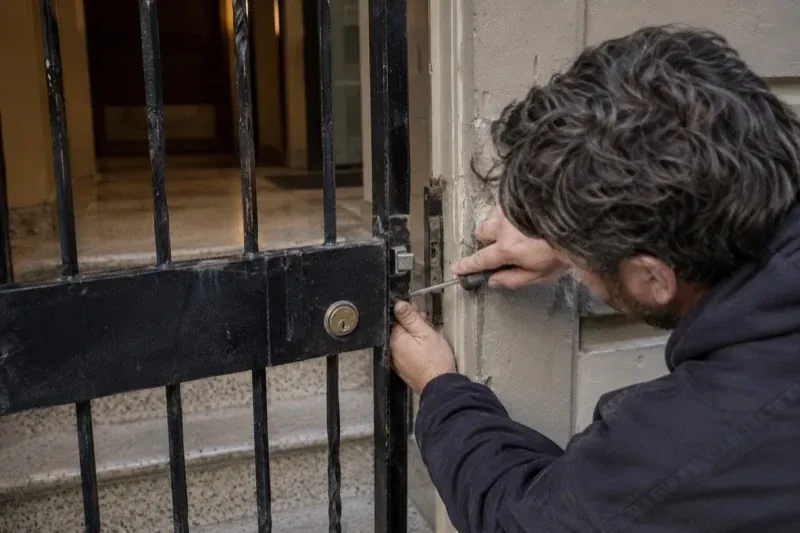
Every time the courtyard gate closes, it slams hard enough to rattle the fence panels, and the deadlatch never quite drops into the keeper before the spring yanks it the rest of the way.
In plain words
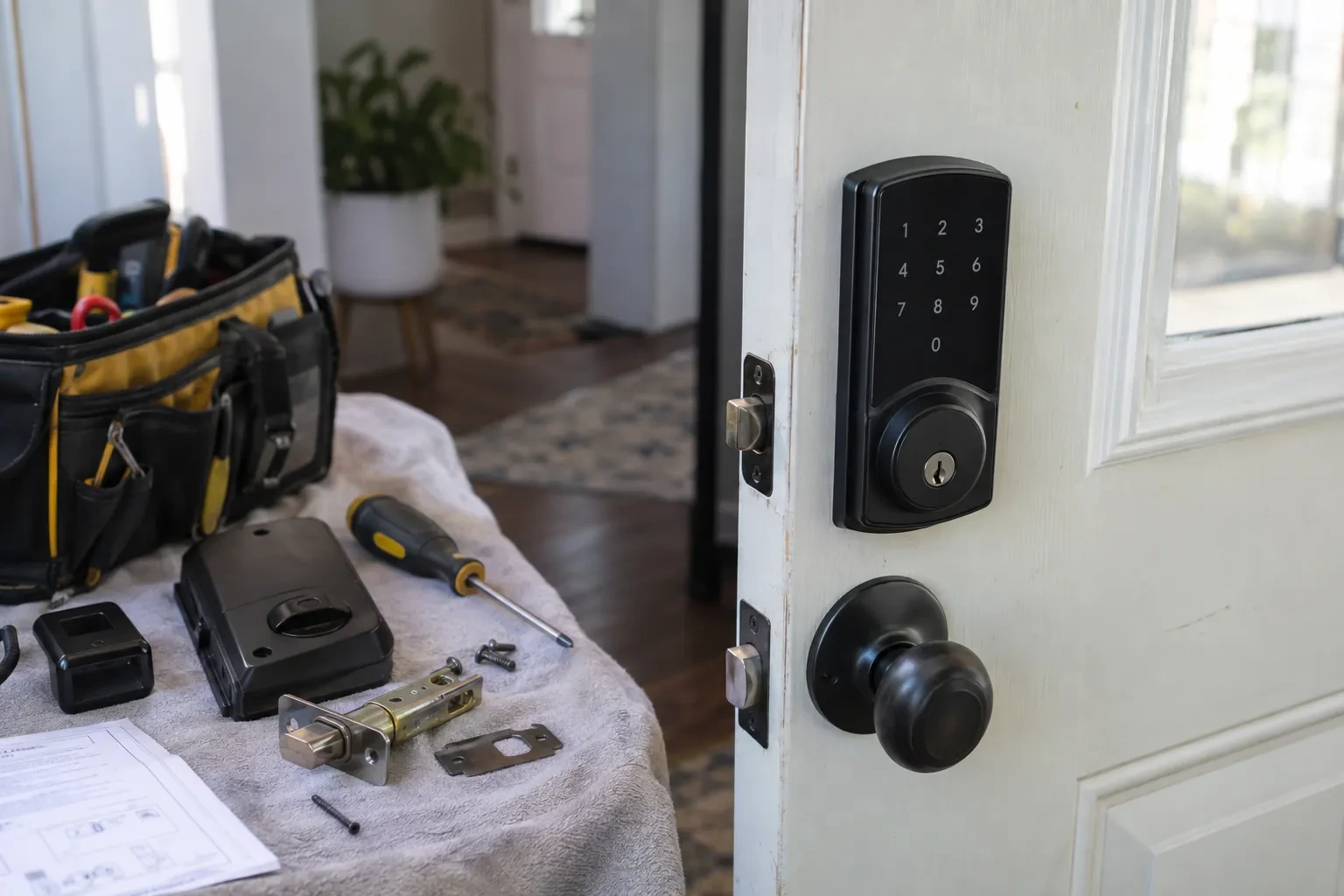
Some building entries add a buzzer, a keypad or an electric strike to the mechanical lock, and any one of those pieces can be the reason a door stops releasing on cue. This service checks the wiring, the power supply and the mechanical override together with the lock itself, rather than assuming the fault sits wherever the last person guessed. Whatever combination of electronic and mechanical hardware the entry uses, it leaves working as one system: a mechanical key still able to open it wherever the installed lock provides one, and a fail-safe strike or maglock still releasing on its own if the power ever goes out.
How the visit goesA visitor buzzes from the panel downstairs, someone presses the button by the door, and nothing happens. The electric strike on the lobby door used to click open on cue; now it stays silent, and residents are propping the entry with a folded flyer instead.
Gate & Building Entry Locks
How the visit goes
Checking the closer and hinges together
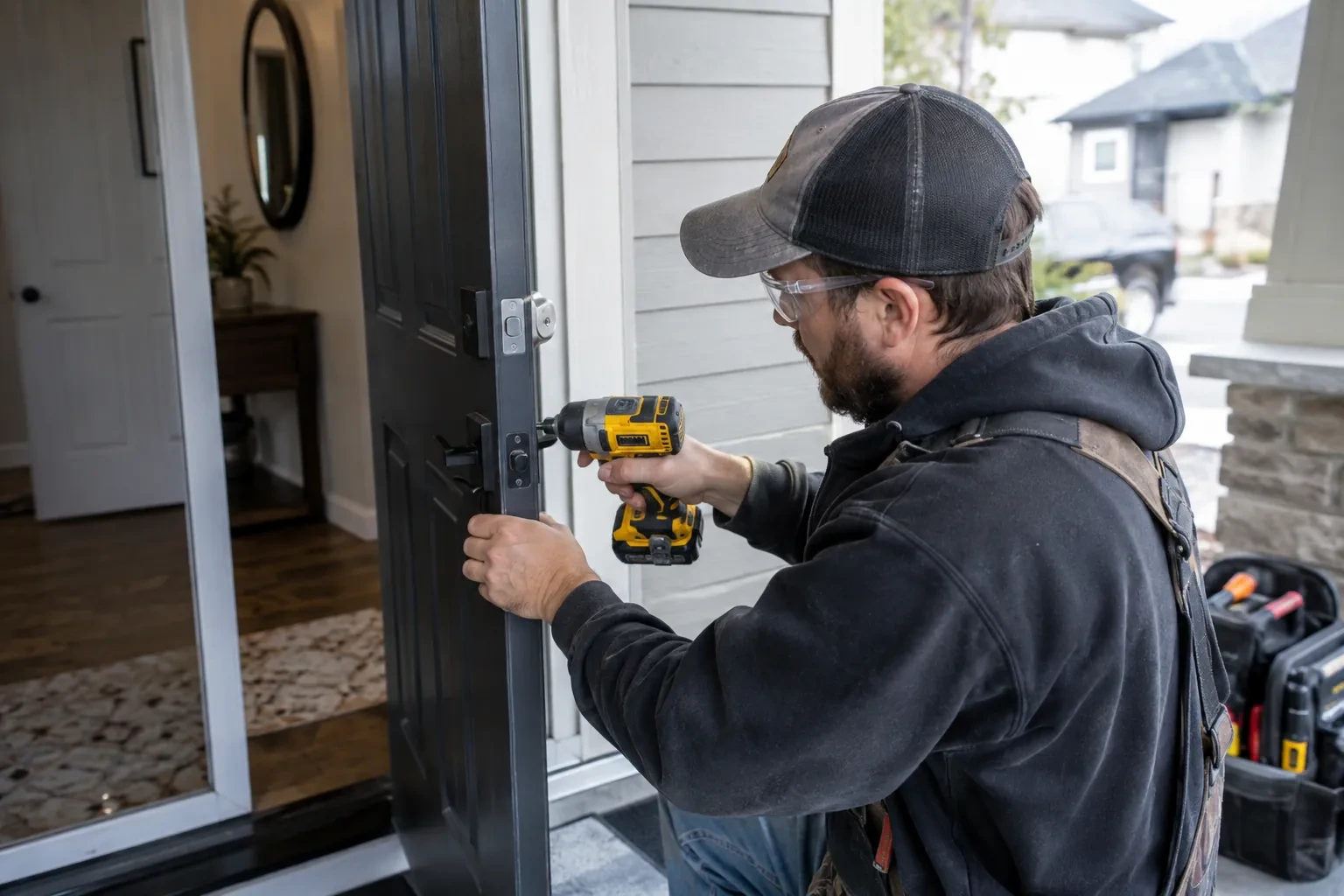
A closer cannot be judged on its own, because a gate that slams or drifts open is often fighting hinges or a post that have moved. The locksmith checks the closer's current adjustment, the condition of its arm and fittings, and then the hinges or pivots the gate hangs from, along with whether the post itself still stands square. Separating a closer problem from a hinge or post problem here avoids replacing a perfectly sound closer that was only ever fighting a leaning post, or the reverse case.
Bringing an electric strike or maglock back online
Where the entry includes a buzzer, keypad or electric release, the work follows the wiring back from the door: checking the transformer or power supply, the connections at the strike or maglock, and the intercom or keypad sending the release signal. A faulty component is repaired or replaced, and, where the specified lock includes a mechanical override cylinder, that cylinder is tested independently so the door can still be opened by key if the electronics ever fail again. The system is then tested as a whole, buzzing the door open and confirming any mechanical key still works, before the visit ends.
A record for the owner or property manager
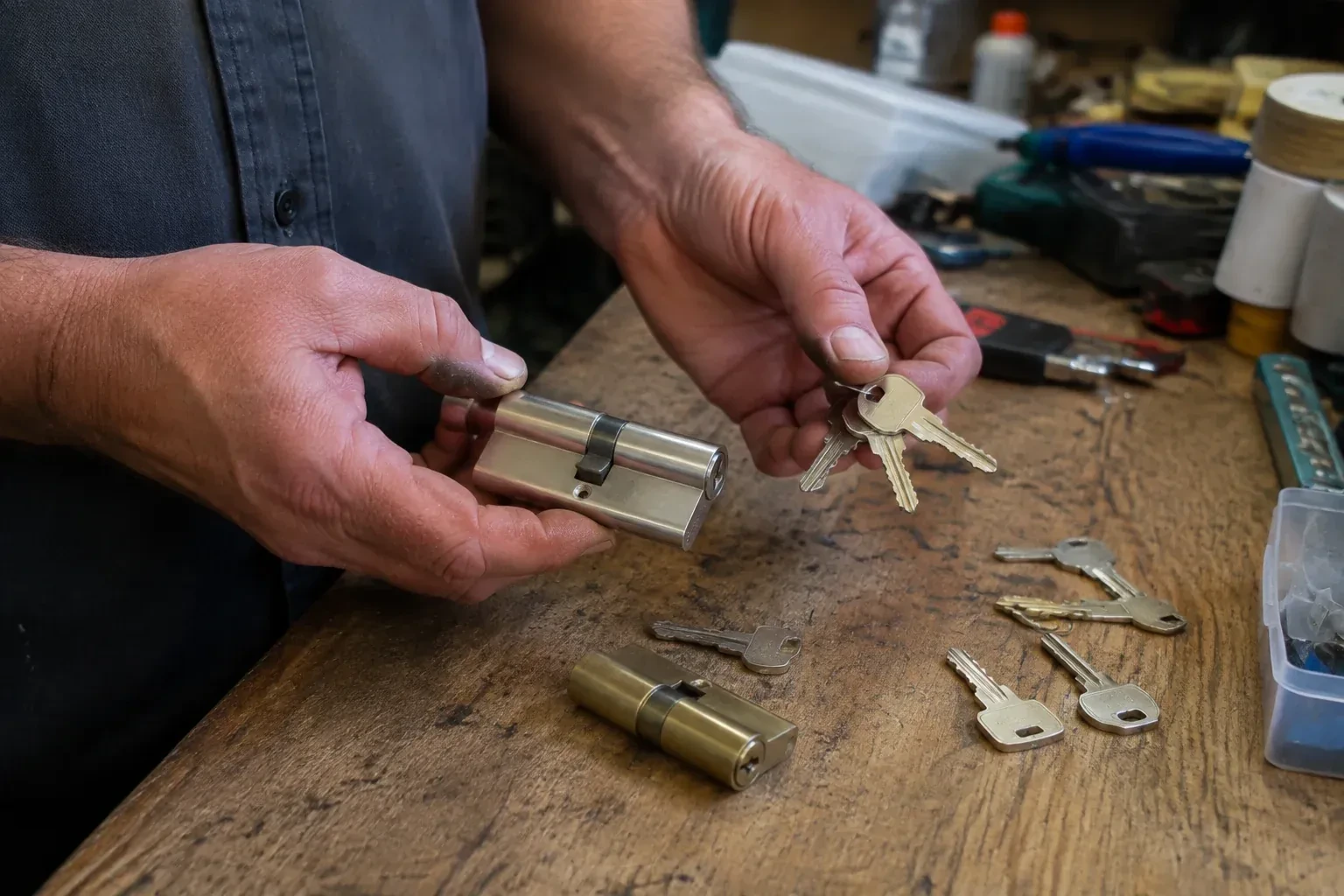
You leave with a plain account of what changed: which cylinders were rekeyed or replaced, how many new keys were cut and to whom, whether any gate was brought onto a shared key or deliberately kept separate, and what was adjusted on the closer, strike or post. For a rental or a condo, this note is worth passing to whoever manages the building, since it settles later questions about who currently holds a working key without anyone having to guess or ask around.
Gate & Building Entry Locks
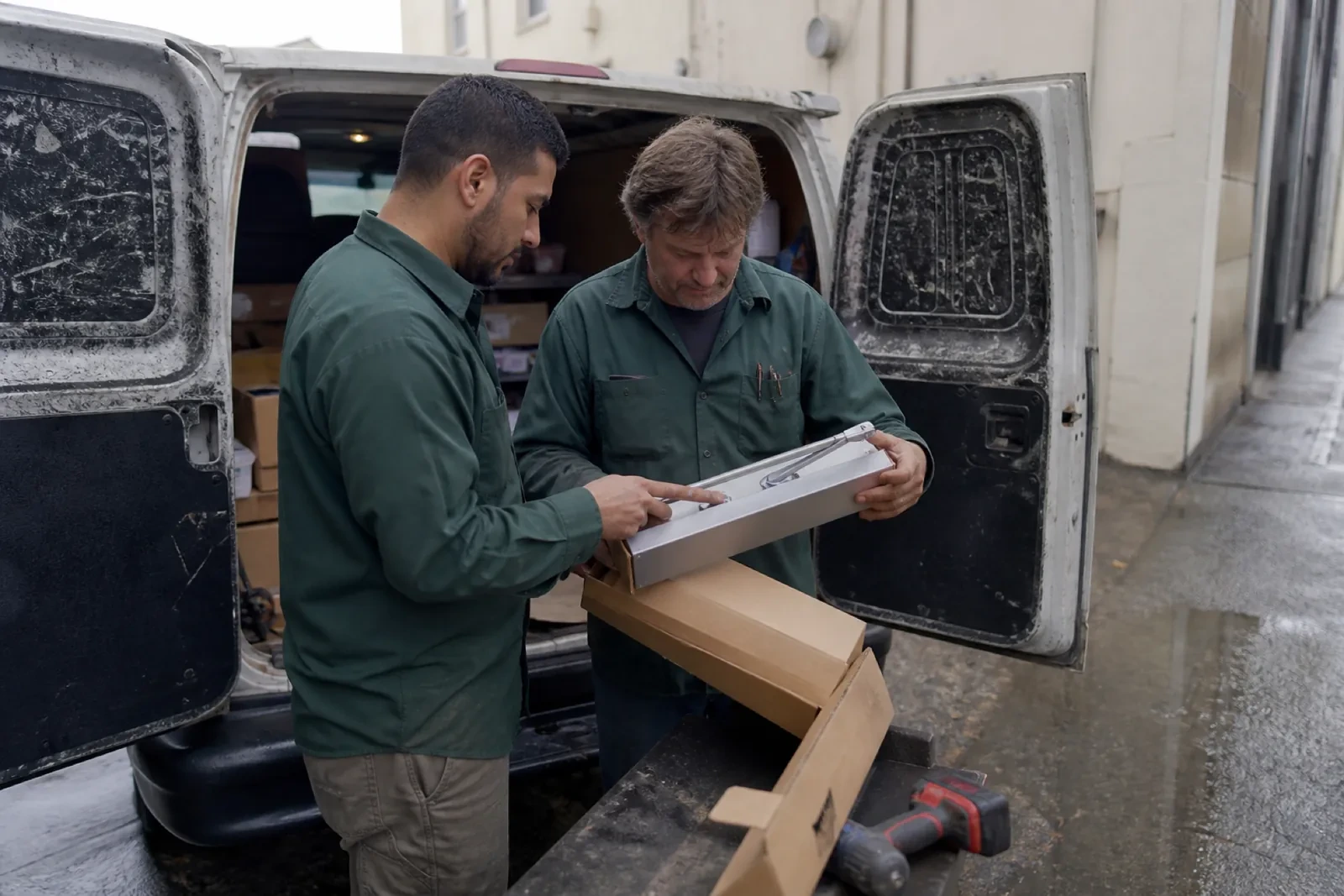
In the van
Cylinder decoder and pick set
Dry graphite or PTFE lubricant
Voltage tester for electric strikes
Weather-rated cylinders
Strike plates and keepers
Gate & Building Entry Locks
What affects the quote
Any upgrade chosen while the locksmith is already there
Some property owners use the visit to move to a heavier closer, an electric strike, a master key system or additional padlocks for other gates. None of this is required to address the original problem; each option is priced as a separate line.
Whether the property manager or a board is involved
Work on a shared building entry sometimes needs sign-off from a property manager or condo board before proceeding, and coordinating that approval, along with providing a record of the work for their files, is part of the visit.
Type and grade of the gate or door lock
A basic surface-mounted gate latch, a weather-rated cylinder, a mortise case and a panic device on a building entry each take different parts and different amounts of time to service, and that difference is reflected in the quote.
What to have ready
- Which gate or door is giving you trouble?
- Is the gate sagging, dragging, or hard to close by hand?
- Has the lock been stiff or slow in cold weather?
Gate & Building Entry Locks: questions
QuestionsWhat is a good option for a gate that delivery drivers or a maintenance crew need occasional access to?
A keypad or a lockbox with a rotating code works well there, since access can be shared without handing out a physical key that has to come back later. A weather-rated cylinder with a separate access key is another option if the property already runs on a keyed system. The locksmith can talk through how often the code should change and who on site should know it, so the gate stays convenient without staying open to everyone.
What should I have ready before the locksmith arrives?
It helps to know which gate or door is affected, roughly how old the lock or closer is, and what exactly is happening: dragging, slamming, refusing a key, or a buzzer that stopped releasing the door. If the entry is shared, a rough idea of how many households or units currently need a working key speeds up the visit considerably. For a building entry, having contact information for a property manager or condo board on hand is useful if a decision needs their sign-off.
How long does a gate or building entry lock visit usually take?
It depends on what the assessment finds once the locksmith is looking at the actual hardware. A single gate lock that only needs adjusting or rekeying is a shorter visit than one where the closer, hinges and post all need attention, or where several gates on a property are being brought onto one key. Electronic hardware such as a buzzer or electric strike adds its own testing time. The locksmith can give a closer sense of the scope once the gate or door has been examined in person.
Related services
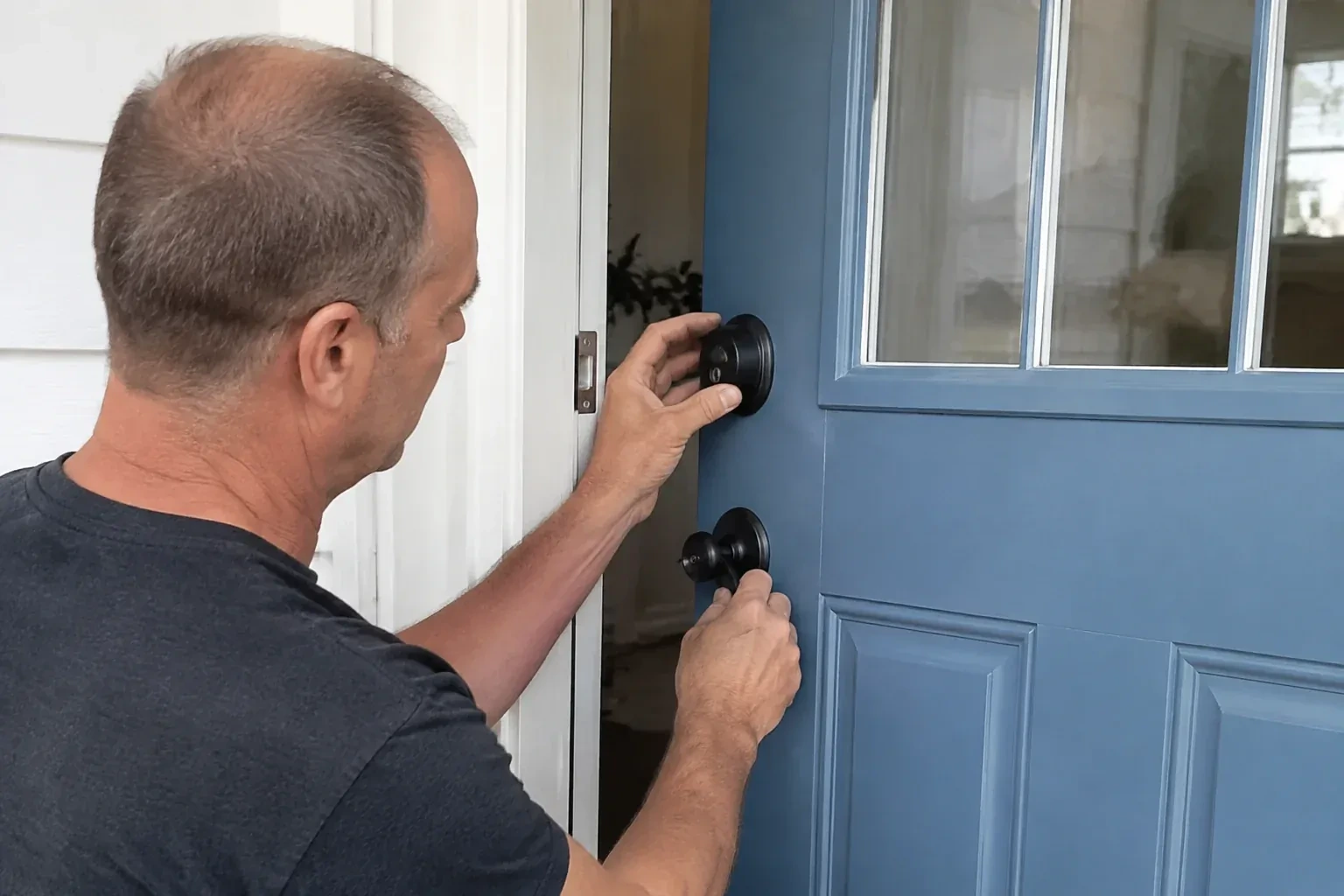
- Deadbolt InstallationThe front door has a handsome lever and a keyed knob, and that is all.
- Lock Replacement & UpgradeThe lever on the side door droops toward the floor and rattles in your hand.
- Vintage Mortise Lock ServiceThe old skeleton key still fits the keyhole, but it now needs a jiggle, a lean on the door and a little luck before the bolt moves.