Lockouts · Port Bolster
Business Lockout Service in Port Bolster
It is ten to nine, three staff are on the sidewalk with their coffees, and the key that has opened the glass front door for six years will not turn.
In plain words
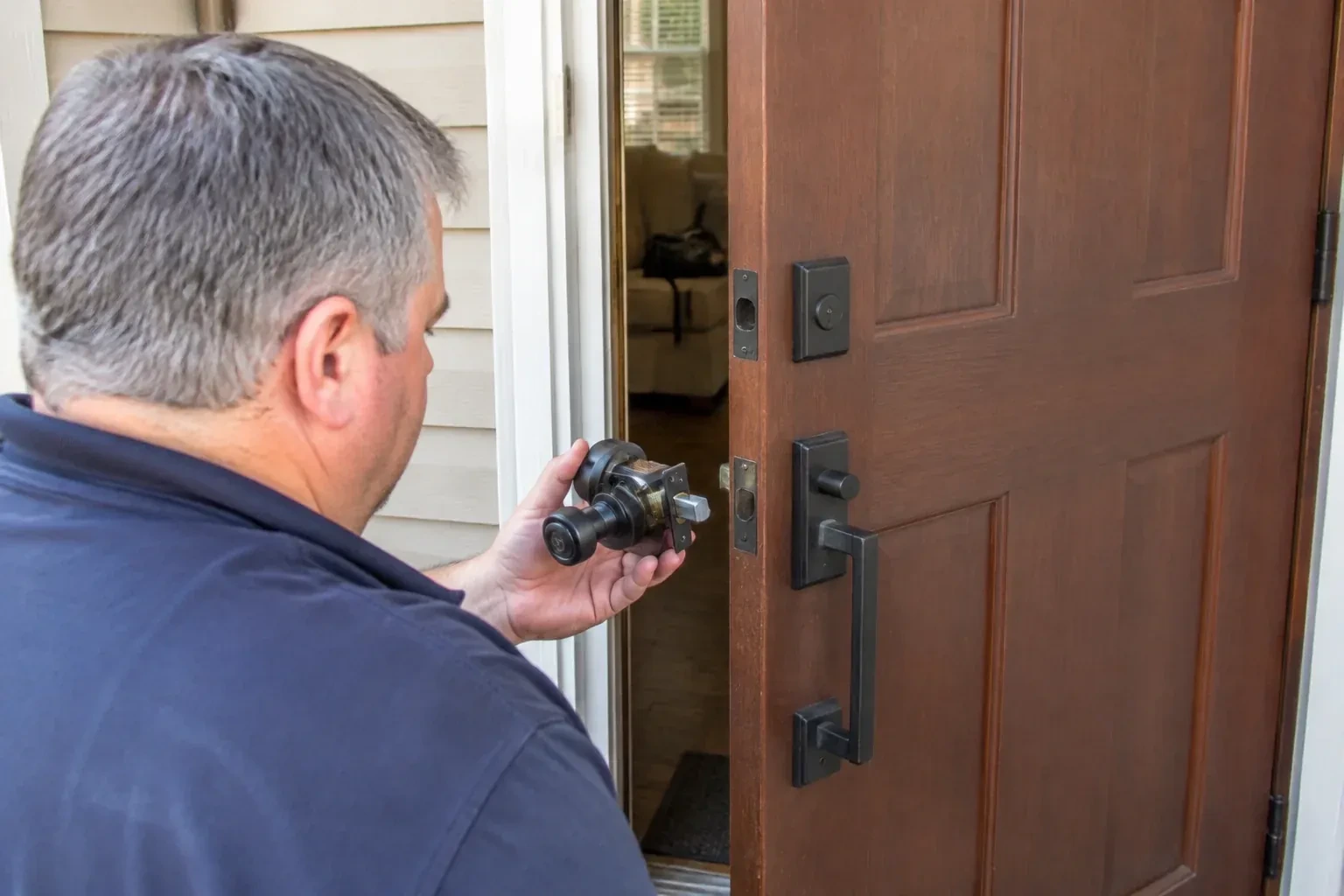
A business lockout service reopens commercial premises when the door is locked and nobody on site can open it. The locksmith begins by confirming that the person asking for entry has authority to act for the business, through identification and a document or a phone call that ties them to the premises. The hardware and any connected alarm or access system are identified next, and the door is opened by the gentlest method the lock allows. Once staff are inside, whatever caused the lockout is put right so the doors lock again at closing, and a written account of the work is left for the business's records.
How the visit goesYou signed the lease on the unit last week and the landlord handed over possession, but the previous tenant's locks are still on both doors and no keys came with them. Your fixtures arrive tomorrow and the doors will not open.
Business Lockout Service
How the visit goes
How the door hangs and closes
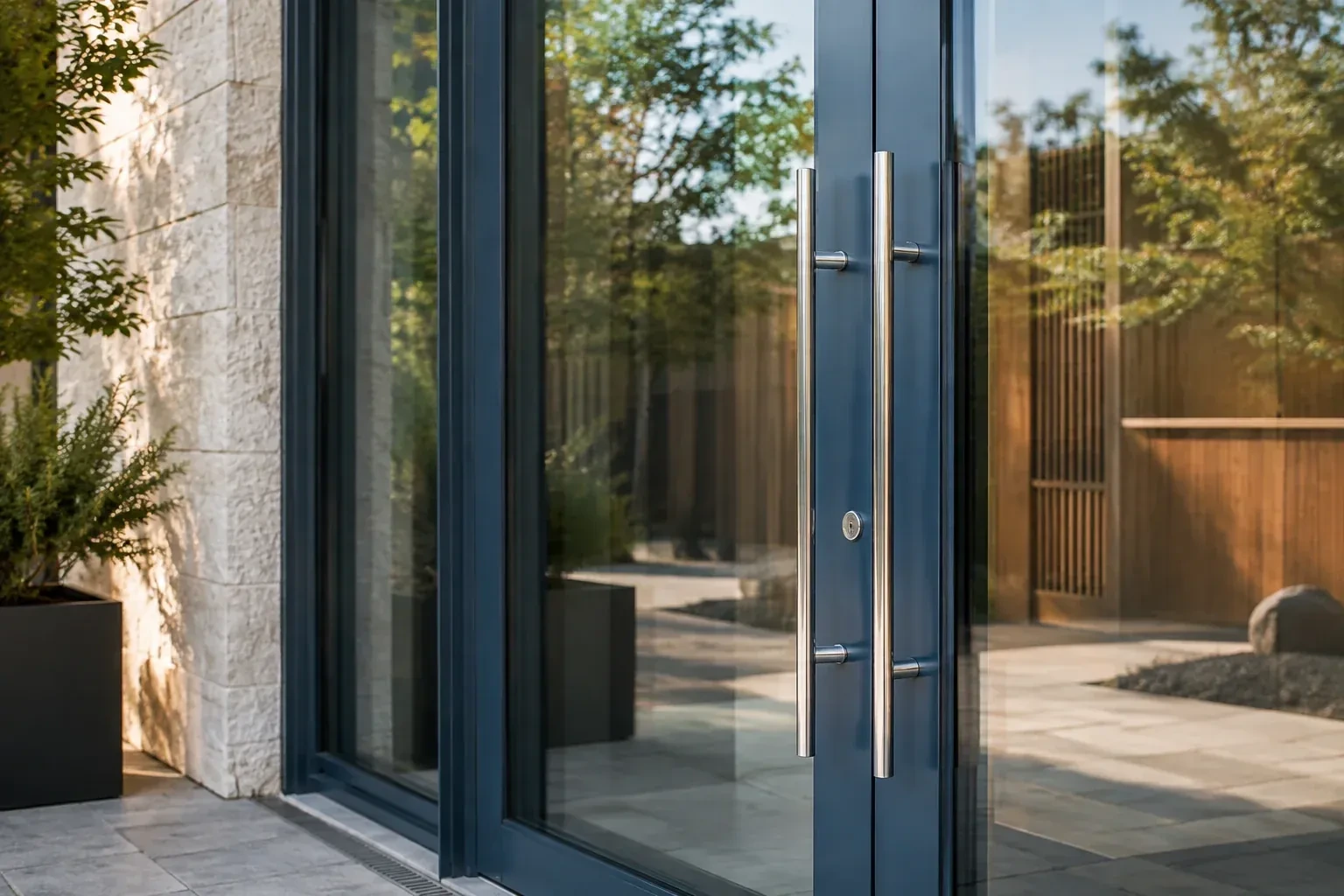
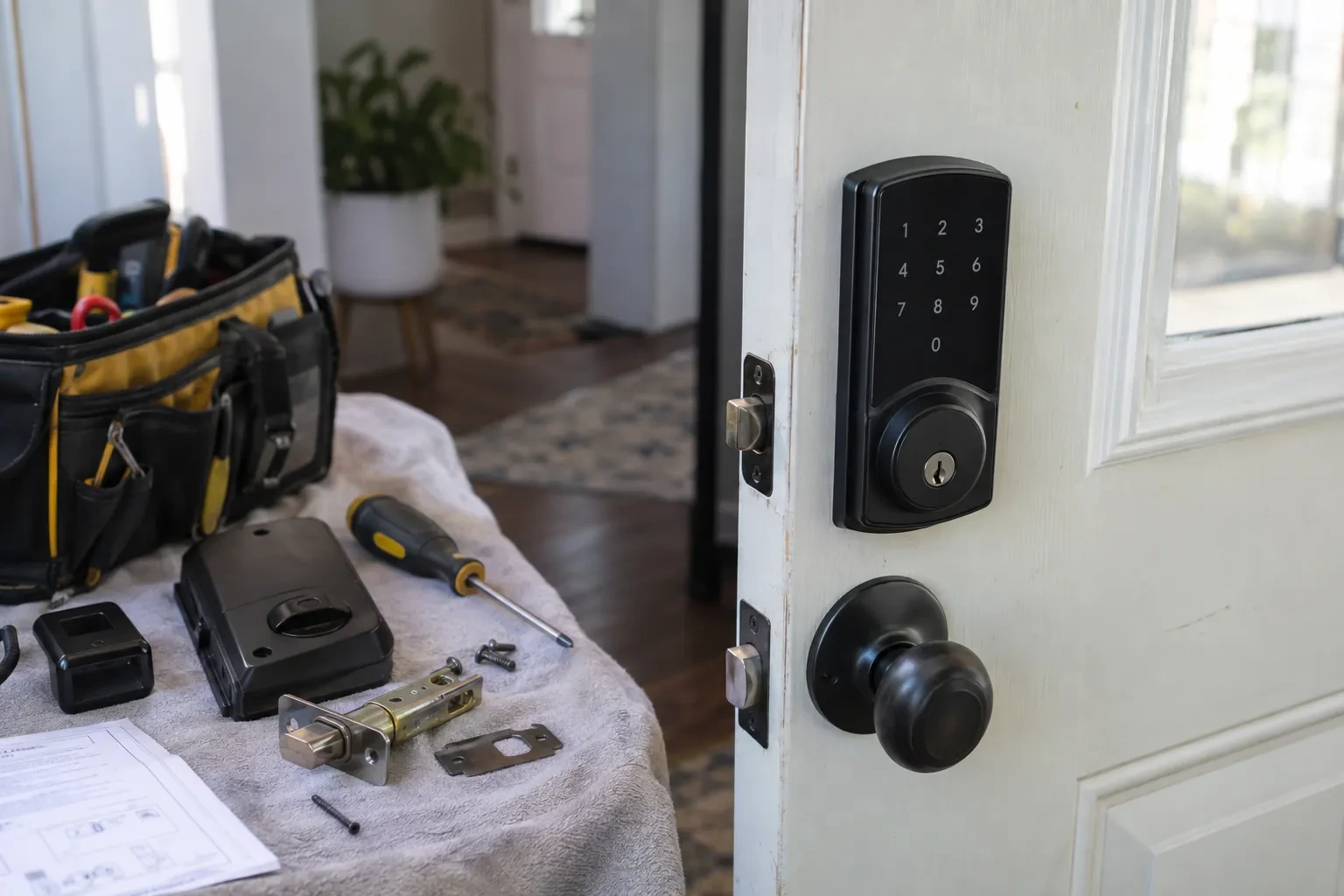
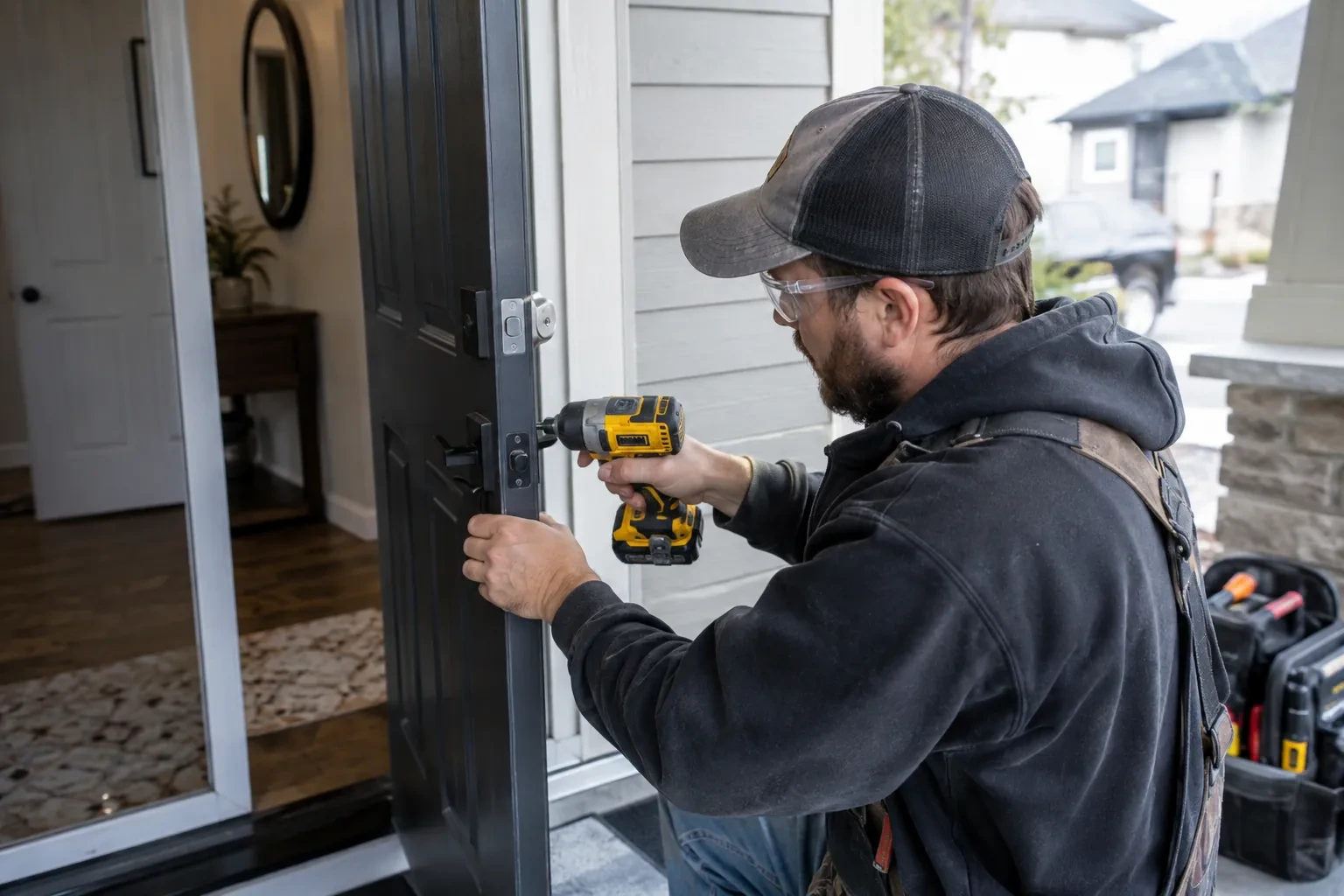
Commercial doors are heavy and busy, so the locksmith reads the door as carefully as the lock. A glass door is checked at its pivots or continuous hinge for drop and play, and at the threshold for scrape marks that show it has sagged. The closer is checked for a slow or stiff sweep that leaves the door short of the strike. The gap along the lock edge tells whether the bolt is entering its pocket square or catching its lip. A hand on the door while the key is turned often reveals that the bolt is bound rather than the cylinder failed, which changes the fix from lock work to lifting and adjusting the door.
Extracting a snapped key and finding out why
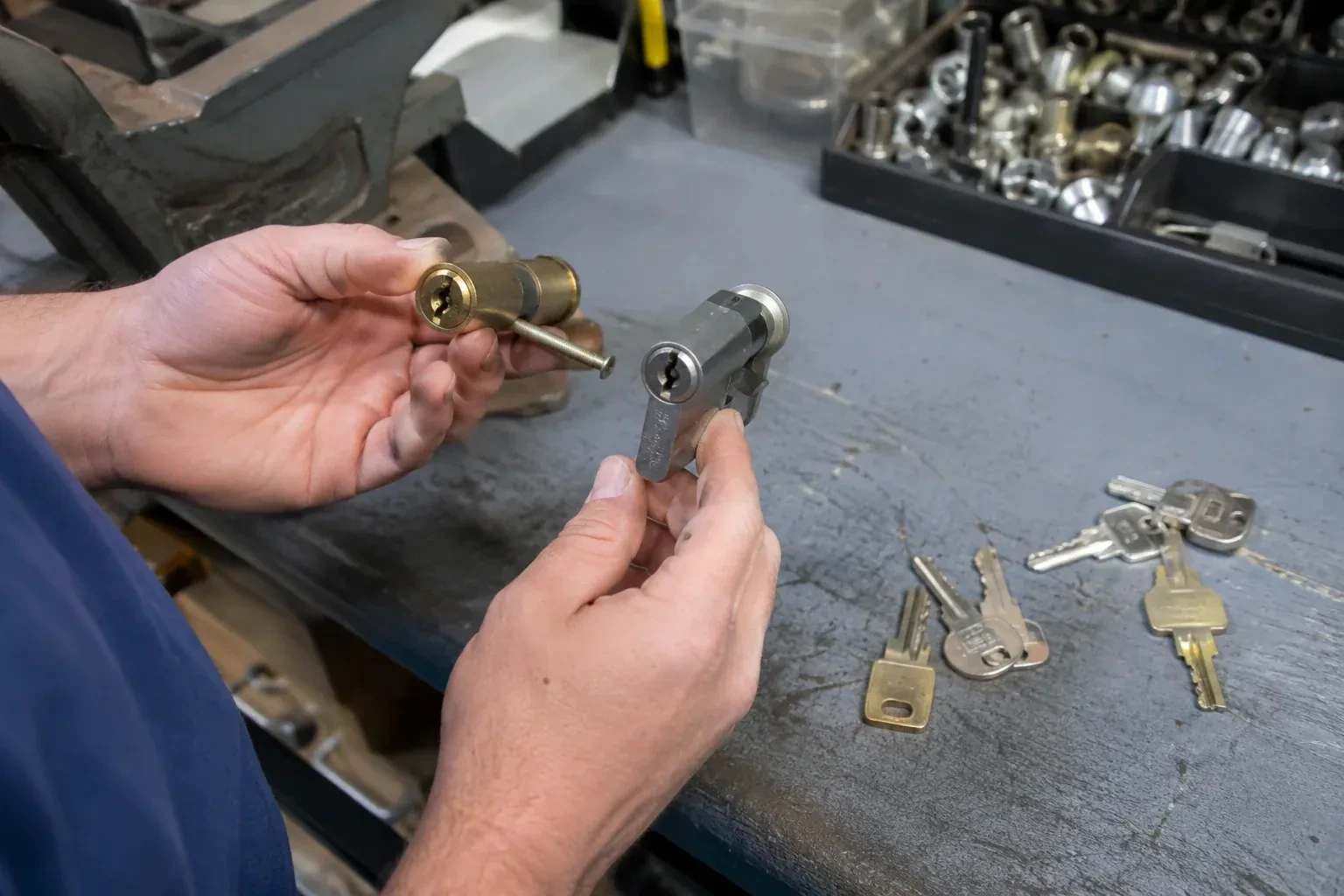
A key that broke off in a commercial cylinder is drawn out with extractor tools that grip the blade and pull it toward the face, never pushing it deeper. With the fragment out, the cylinder is picked or decoded and the door opened. The two halves of the key are then compared with a fresh blank, because a key rarely breaks in a healthy lock: a bent or thin copy, a cylinder full of grit, or a stiff cam behind it is usually the cause. The cylinder is cleaned and lubricated with a dry product, the cam checked for wear, and a new key cut from the code or from the pieces rather than from another tired copy.
A written record for the business file
You leave with a plain account of the visit: which door was opened, the method used, whether any cylinder was drilled and replaced, what hardware was fitted, how many keys were cut and to whom they were handed. It notes the condition the hardware was found in, including anything worn or damaged before the locksmith arrived. Property managers ask for this when a unit's locks change, insurers ask for it after a loss, and franchise head offices ask for it as a matter of routine. It also makes the next service call shorter, because the person answering the phone can read what is on the door instead of guessing.
Business Lockout Service
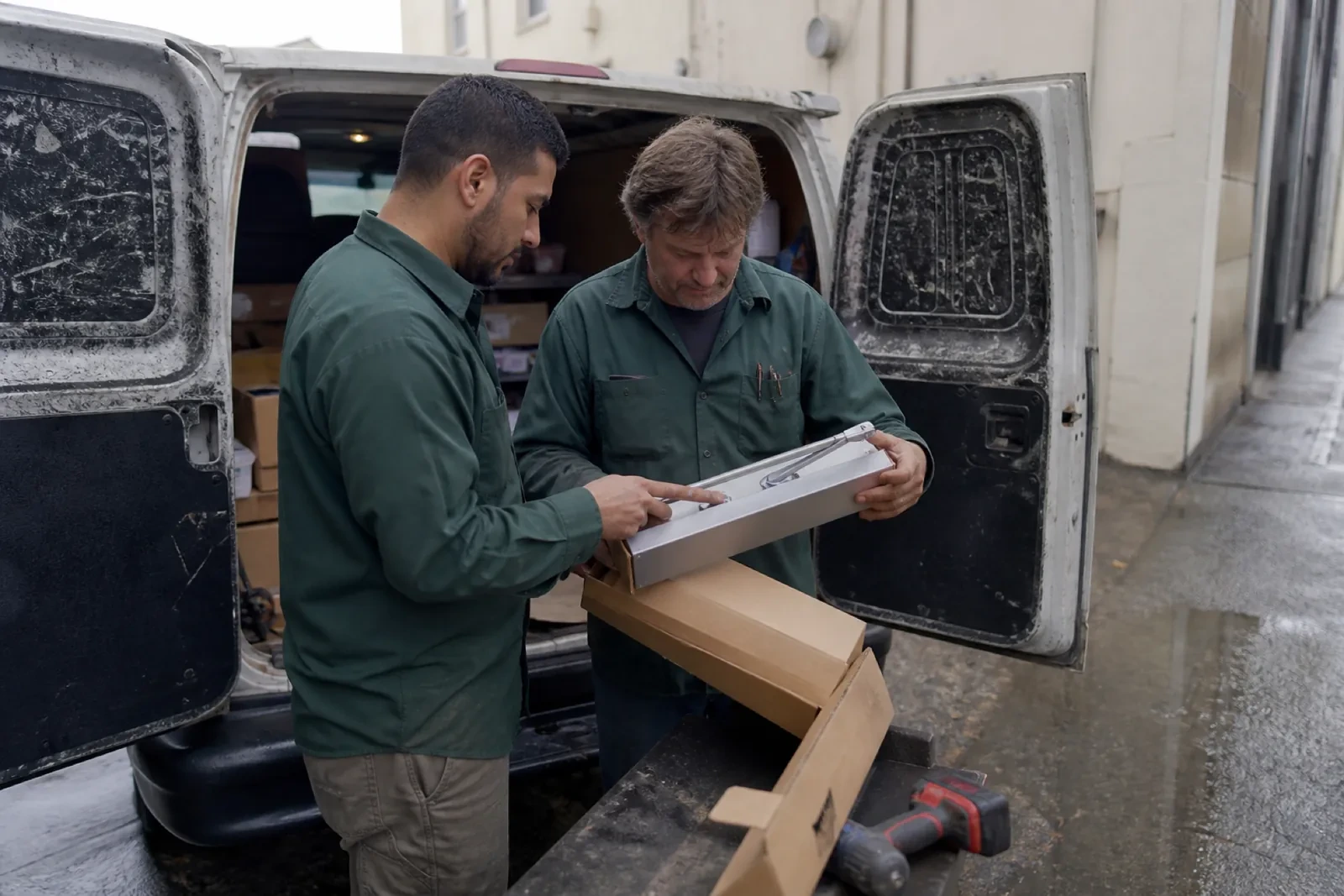
In the van
Broken key extractors
Storefront deadlock and deadlatch bodies
Key blanks and code cutter
Lock de-icer and dry PTFE lubricant
Cylinder decoder and plug spinner
Business Lockout Service
What affects the quote
Rekeying or swapping cores afterwards
Making a lost or unreturned key useless is separate work, priced per cylinder or per core, and the count of doors sharing that key decides how much of it there is.
Damage from earlier attempts
A paddle bent by a pry bar, a stile scratched by a screwdriver or a cylinder wrenched by pliers may need repair as well as opening, and the locksmith points out what was already there before quoting it.
Door, pivot and closer adjustment
When the lockout was really a dropped door or a tired closer, lifting the door, adjusting pivots or a continuous hinge, moving the strike and resetting the closer are quoted as their own item beside the opening.
What to have ready
- Who on site can show identification and a document connecting them to the business?
- Where are the keys: with an absent keyholder, lost, broken in the lock, or turning without effect?
- Has the door been dragging, scraping the threshold or failing to latch at closing recently?
Business Lockout Service: questions
QuestionsAn employee left and never returned their keys. Should we rekey?
It is the sensible step, and a lockout visit is a convenient moment for it. Rekeying keeps your existing cylinders and changes the pins so a new key operates them and the unreturned one does nothing. If your doors use interchangeable cores, swapping the core takes minutes. Bring every door that shared the old key onto the new one, count the fresh keys into named hands and start a register so the next departure is a line in a book rather than a call.
Last night the door would not lock either. Is that the same problem?
Sometimes, though a deadlatch that will not catch at closing and a bolt that refuses to withdraw at opening are different mechanisms, not automatically the same fault. A door dropped on its pivots or a cam slipped behind the cylinder can affect either one; a closer stopping short of the strike explains a latch that will not catch but not a bolt that will not retract. The locksmith checks each symptom on its own during the visit and tests the door closing under its own weight before leaving.
Can you open a door that has a push bar on the inside?
Yes. From outside, an exit device is operated through its trim, which may be a keyed lever, a pull with a cylinder or a bare rim cylinder. Depending on the trim fitted, picking or decoding that cylinder either retracts the latch directly or unlocks a lever, knob or thumbpiece that then has to be turned to let the latch go. The bar, rods and dogging feature stay as installed for the emergency way out, and the bar is pressed afterward to confirm it releases the latch with one push.
Related services
- Broken Key ExtractionThat key had been bending a little for years, and you kept straightening it.
- Break-In Damage Lock RepairThe shop's aluminum door has a bent meeting stile and the hookbolt is jammed half out.
- Seized & Jammed Lock OpeningThe shop's lever handle goes down as usual, but the latch inside the mortise case never pulls back.