High security · Port Bolster
High Security Locks in Port Bolster
The restricted keys you bought years ago are no longer restricted; the locksmith mentioned the patent has run out and blanks are sold openly.
In plain words
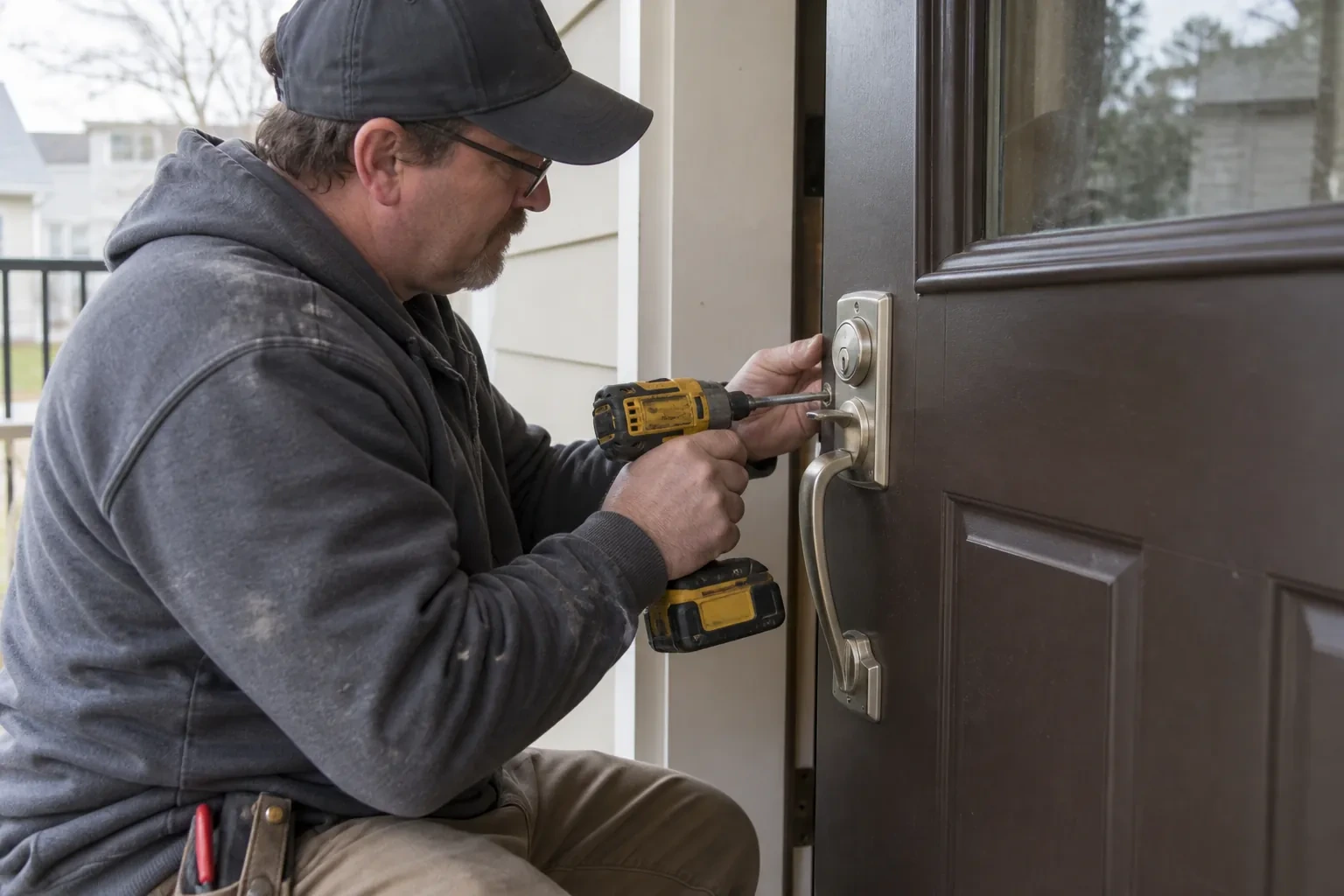
Think of the upgrade as four layers working together. The cylinder resists picking, bumping and drilling. The deadbolt resists sawing and kicking with a long, hardened bolt. The strike and screws keep the frame from splitting when the door is struck. And the key control stops copies being made without your say-so. A locksmith assesses your door for each layer and tells you where it is weak, because a strong cylinder screwed into a soft frame gains you little. Most homes end up with a graded deadbolt and a patented cylinder; businesses often step up to laboratory-rated cylinders and heavier lock bodies.
How the visit goesYou run a home office with client files and equipment, and your insurer has asked what kind of lock is on the door. The honest answer is the builder's knob lock and a light deadbolt from when the house was new.
High Security Locks
How the visit goes
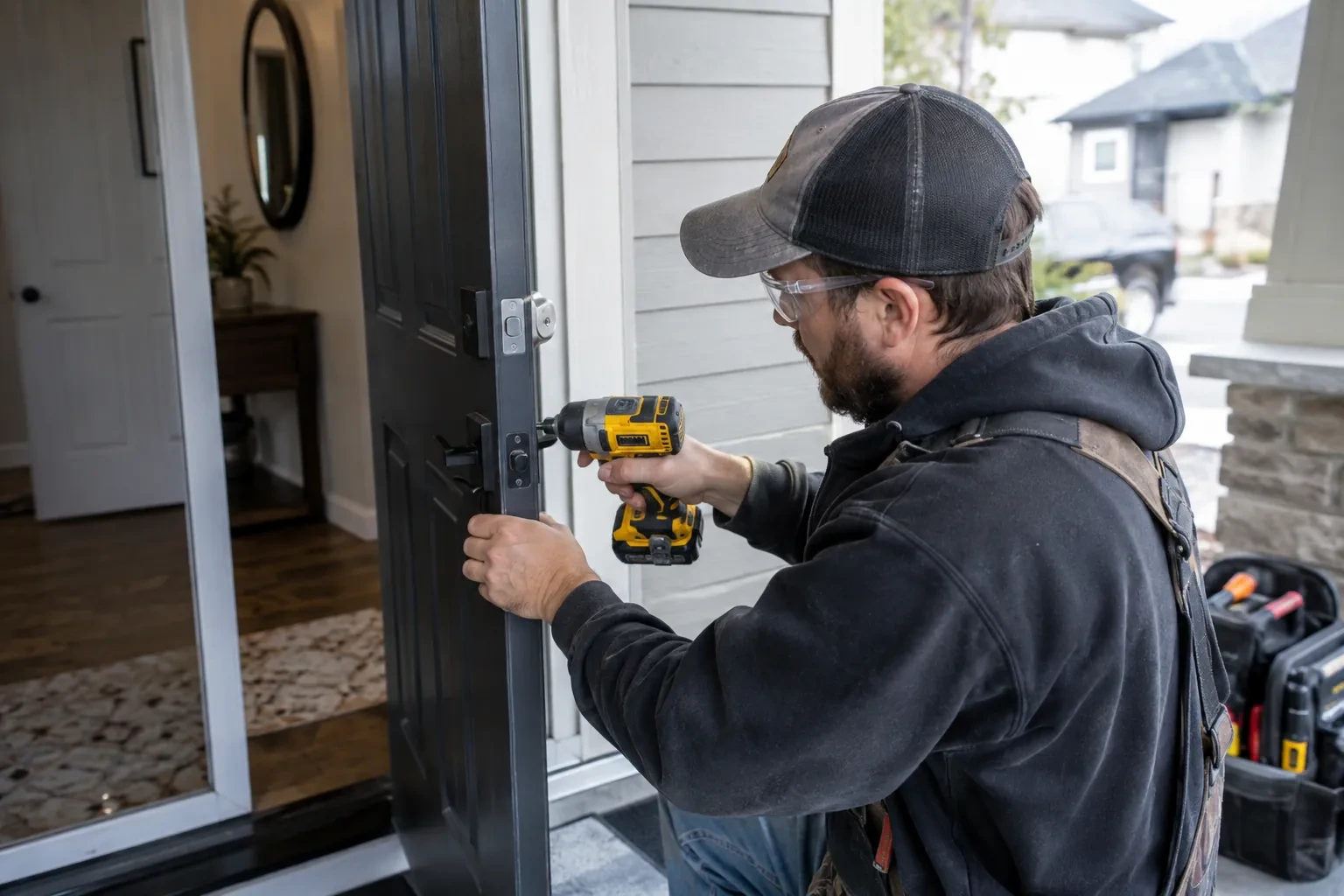
Reading the cylinder you have now
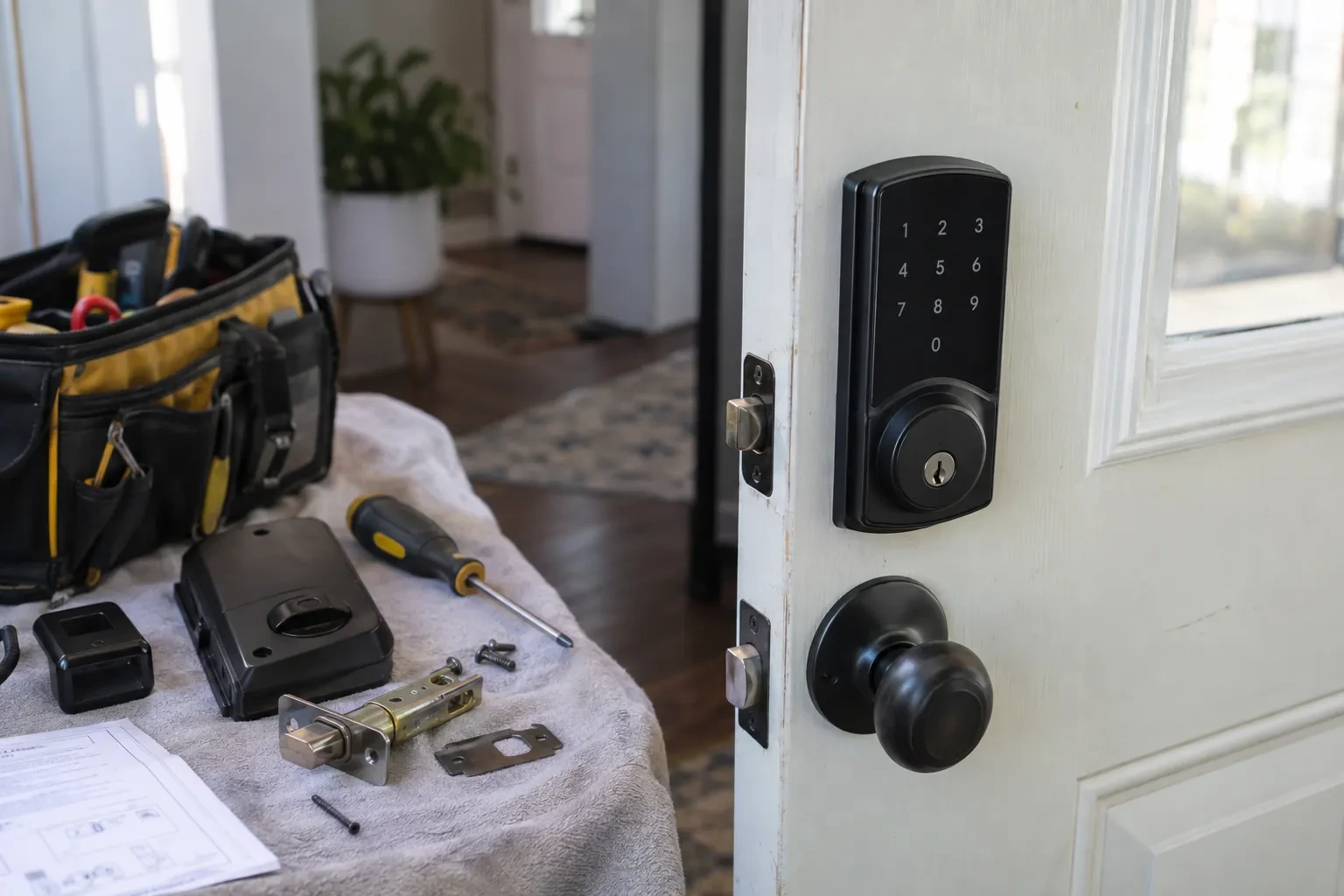
The existing cylinder tells the locksmith a great deal. A standard pin tumbler with an open keyway can be picked, bumped and duplicated by anyone with the blank. Worn pins let a key that is not quite right jiggle it open. A cylinder that spins loosely in its housing or shows a scratched face has been attacked or simply worn out. The locksmith identifies the format, whether key-in-knob, rim, mortise or interchangeable core, because that determines which high-security cylinders will drop into your present hardware and which will need a new lock body altogether.
Testing the whole assembly
The finish is a methodical test. Every key is cycled in every lock from both sides, with the door open and then closed and latched. The bolt is watched entering the strike pocket to confirm it throws fully and does not drag. The door is pushed and pulled while locked to feel for play at the strike or hinges. Cylinders receive a dry lubricant approved for their mechanism. Then the locksmith walks you through the operation, the key control documents and the record of hardware fitted, so you know both how to use the door and how to order the next key.
Proof for insurers, landlords and tenants
You leave with a written record of what was fitted: the cylinder type and its rating, the deadbolt grade, the strike and screws installed, and the key system registration. Insurers sometimes ask for this when a policy specifies stronger hardware, landlords keep it in the property file, and tenants have something to hand back at move-out. It also helps the next locksmith, who can see at a glance what keyway and format the doors carry. Keep the invoice and the key control documents together; they are the paperwork side of a physical upgrade.
High Security Locks
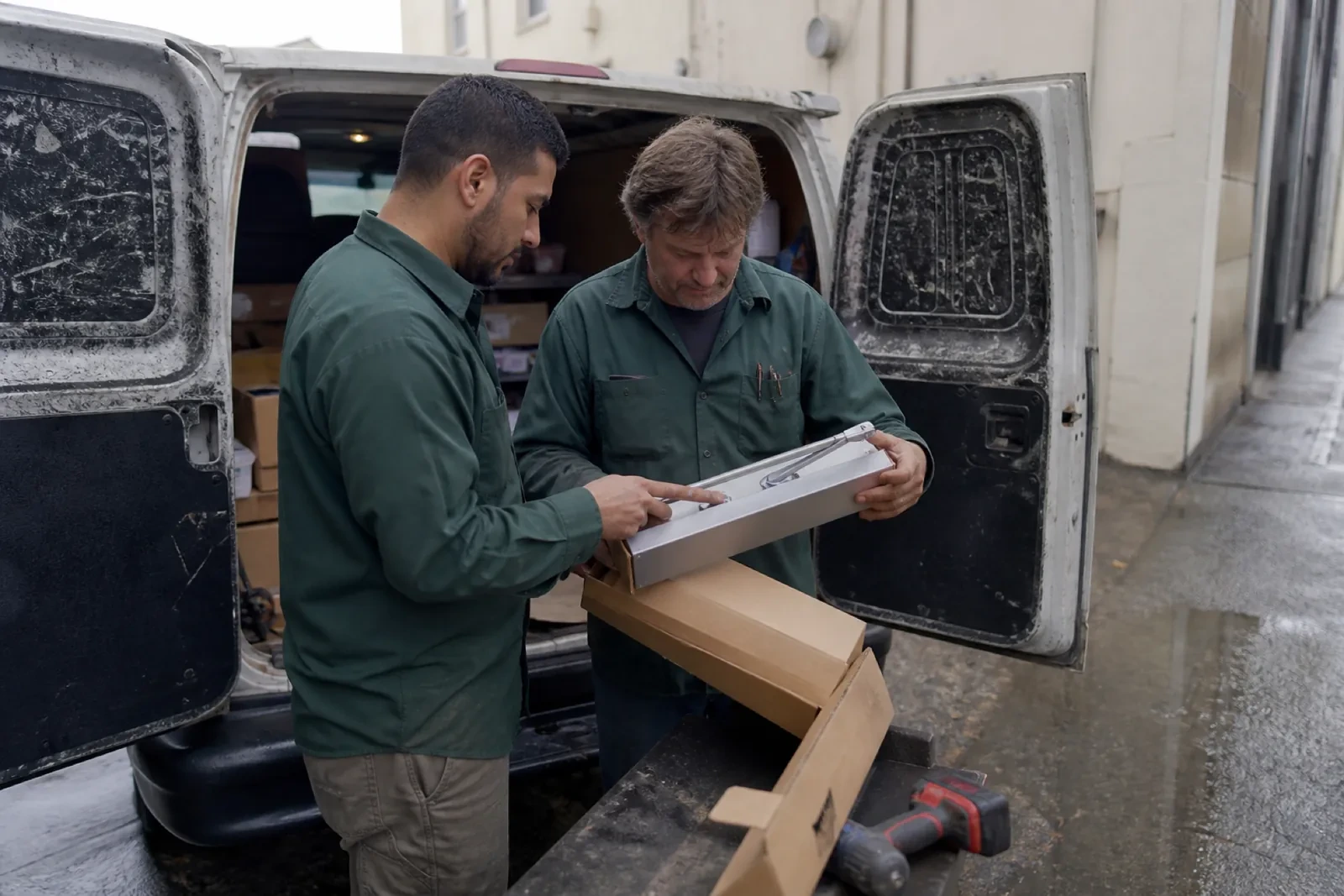
In the van
Box strike
Patented key blanks
Three-inch strike and hinge screws
Key control authorisation card
Reinforced strike plate
High Security Locks
What affects the quote
Hinge and door edge work
Long hinge screws, a hinge-side security stud or repair to a chewed door edge are small items that add up on a door that has been forced before.
Number of doors
Each door gets its own cylinder or lock, strike work and testing. Several doors on one keyway share the setup cost of the key system but add hardware and time per opening.
Master keying
Arranging staff keys, area keys and a manager key on one system takes bench time to plan and pin, and the more levels you want, the more careful that planning is.
What to have ready
- For a business, who should be allowed to authorise new keys?
- Has the door ever been forced, or has a key been lost or not returned?
- How many exterior doors do you want included?
High Security Locks: questions
QuestionsIs a smart lock more secure than a high security mechanical lock?
They solve different problems. A keypad or smart lock manages who can enter and when, and many have no keyway to pick. A high security mechanical lock resists physical attack and controls key copying without batteries, apps or connectivity. Many businesses use both: electronic access on high-traffic doors and high security cylinders on rooms that must hold regardless of power. The locksmith helps you match the tool to each door rather than choosing one philosophy.
Is a high security cylinder really pick proof?
Nothing is beyond a laboratory with unlimited time, so the honest measure is minutes, not absolutes. Rated cylinders are tested to resist skilled picking and impressioning for a set period, and drilling and forcing for another. In the real world that matters because someone at a door has seconds, not a workbench. The sidebar and false grooves in the pins give a picker nothing reliable to feel, and the hardened inserts stop a bit, which is why these attacks move on to easier doors.
What is bumping, and does this stop it?
Bumping uses a specially cut key that is struck while under light turning pressure, bouncing the pins to the shear line for an instant so an ordinary cylinder opens. It works on many standard pin tumblers. A high security cylinder needs its sidebar released by separately positioned finger or rotating pins at the same moment, and a bump key cannot set those, so the plug stays locked. It is one of the clearest advantages of the upgrade.