High security · Cannington
High Security Locks in Cannington
The restricted keys you bought years ago are no longer restricted; the locksmith mentioned the patent has run out and blanks are sold openly.
In plain words
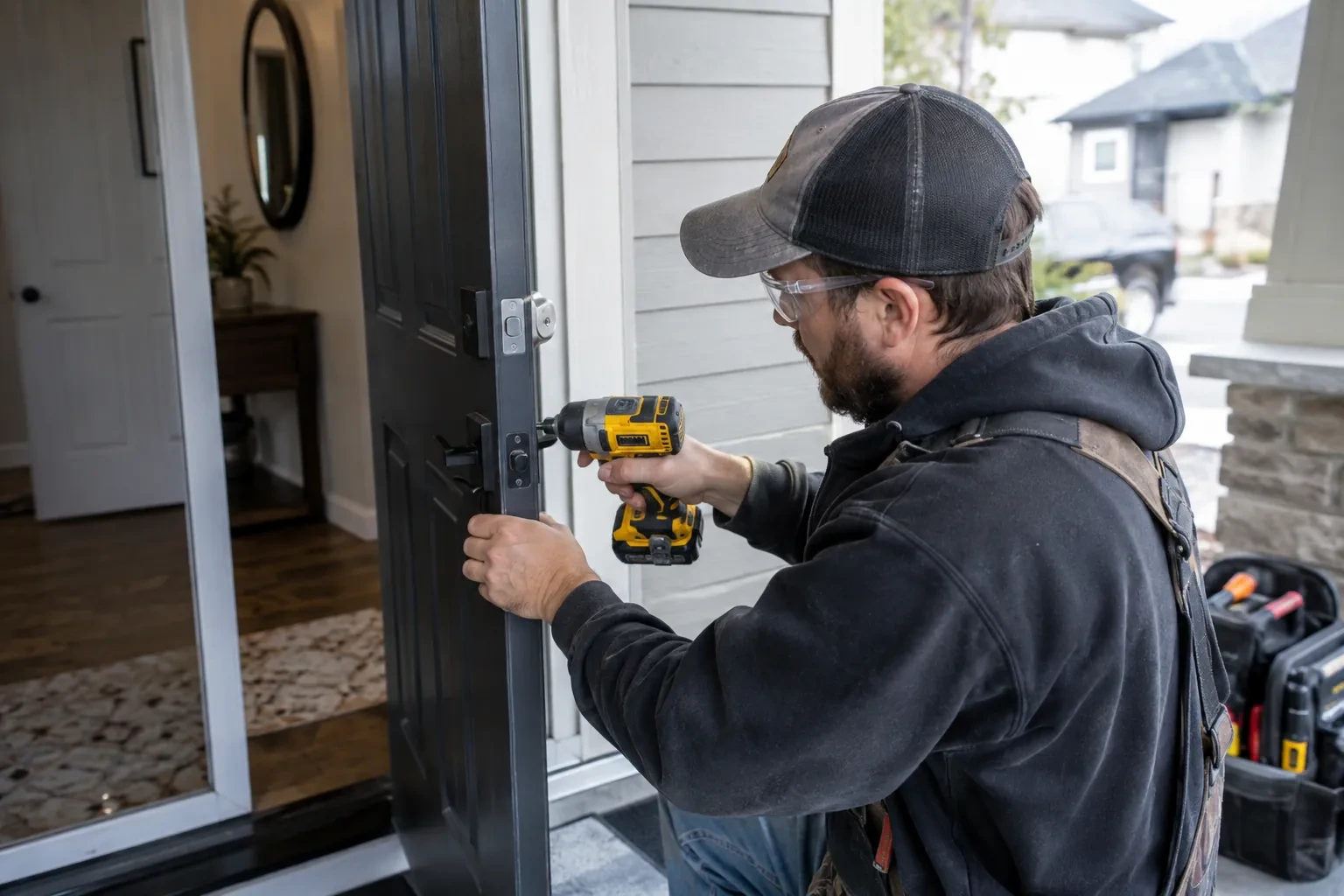
The service begins with a conversation about what the door protects and what worries you, then a close look at the door as a whole: the cylinder, the bolt, the strike, the frame, the hinges and any glass nearby. From that the locksmith recommends a level of protection that matches the risk, fits it, and sets up the key system in your name. From then on, extra keys are cut only when you authorise them, and you receive a record of which key opens which door. It is the mechanical answer to the question most people eventually ask: who else has a key to this?
How the visit goesYou have lost count of how many people have had a key to your house over the years: cleaners, a contractor, a former partner, the previous owner's family. The lock still works, but you no longer know who else it works for.
High Security Locks
How the visit goes
Who holds keys and who should
For a business or a rental, the locksmith asks to see the key list, or helps you start one. Which keys exist, who carries them, which doors they open, and what happens when someone leaves. This is where the case for a patented or restricted key system becomes clear, because the system replaces guesswork with a register: every key numbered, every order authorised by a named person, and no blanks available outside the locksmith who manages it. The locksmith also asks how many people need to reach each area so the keying plan reflects the way the building actually runs.
Reinforcing the strike and frame
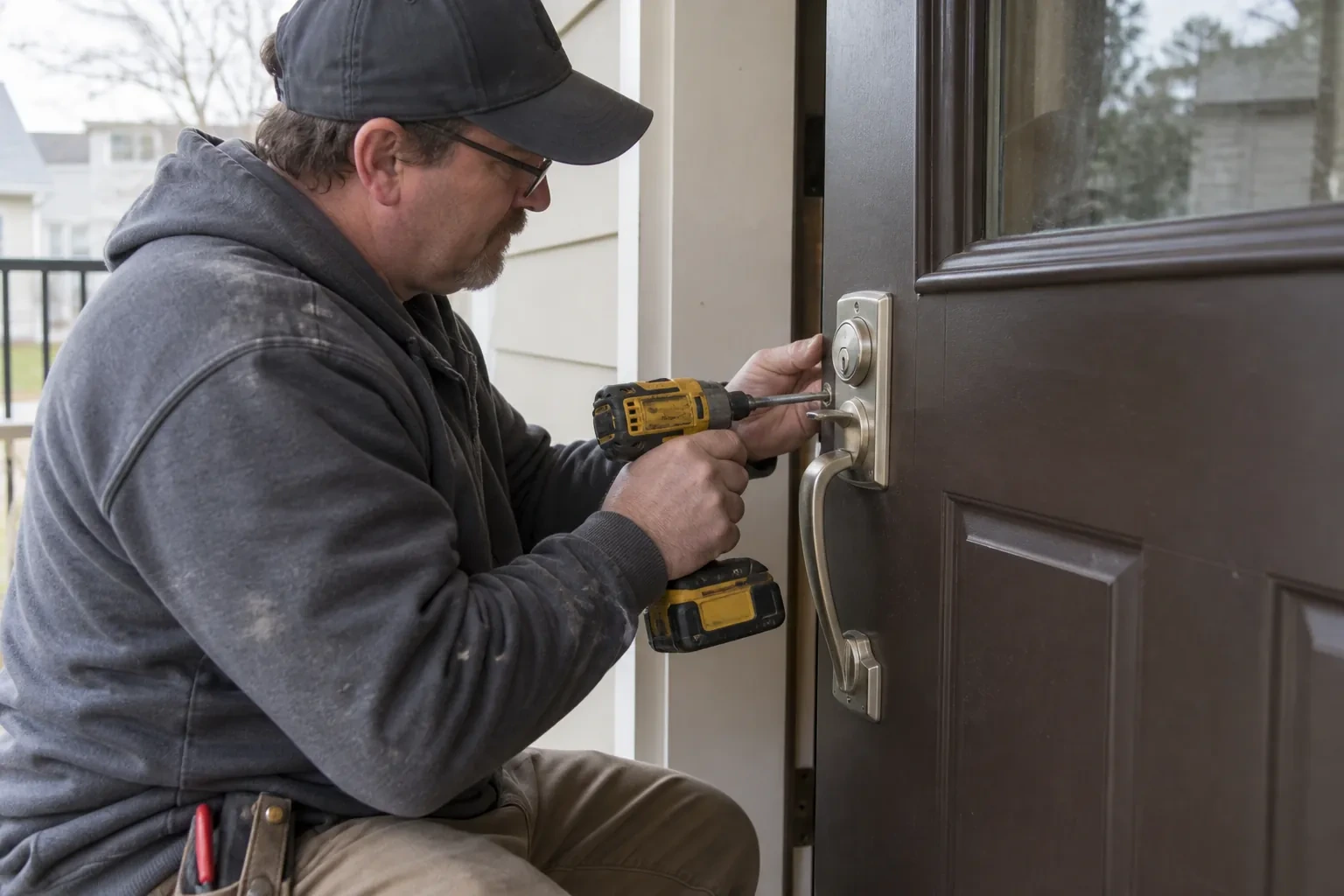
The strike is where a forced door actually fails, so it gets serious attention. The stamped plate comes off and the pocket is deepened to accept a box strike or a long reinforced strike, fastened with three-inch screws that pass through the jamb into the wall framing. Stripped or split wood is filled and doweled first so the screws have something to hold. Where the frame is thin, a wrap-around reinforcer around the door edge and a full-length jamb plate are options. The result is a bolt that ties the door into the house rather than into a strip of trim.
Watching the patent calendar
Patented keyways protect you for as long as the patent lasts. When it expires, blanks may be sold openly and the copy-control layer weakens, though the mechanical resistance of the cylinder stays. The locksmith notes the patent term of your system at handover so the date is not a surprise. Many years before it arrives, the same hardware can usually be moved to a newer patented keyway by changing cylinders and keys while the lock bodies stay. Treat it like a roof: nothing needs doing for a long while, but the date is written down.
High Security Locks
In the van
Box strike
Patented key blanks
Three-inch strike and hinge screws
Key control authorisation card
Reinforced strike plate

High Security Locks
What affects the quote
Key control level
A patented keyway with authorisation cards covers most homes. Geographically exclusive keyways and signature-controlled systems for businesses carry registration and administration that show in the quote.
Documentation and registration
Setting up the key register, recording signatories and providing a written schedule of cylinders and keys is real work on a business system and is listed rather than hidden.
Mortise and older doors
An existing mortise pocket, a thick slab door or an unusual backset can mean a specific cylinder or an adapted preparation, which takes longer than a standard bore.
What to have ready
- Does the door drag, stick in cold weather or need lifting to lock?
- Does the door have a closer, push bar, alarm contact or keypad on it already?
- What does the door protect, and what prompted you to think about upgrading now?
High Security Locks: questions
QuestionsIs a smart lock more secure than a high security mechanical lock?
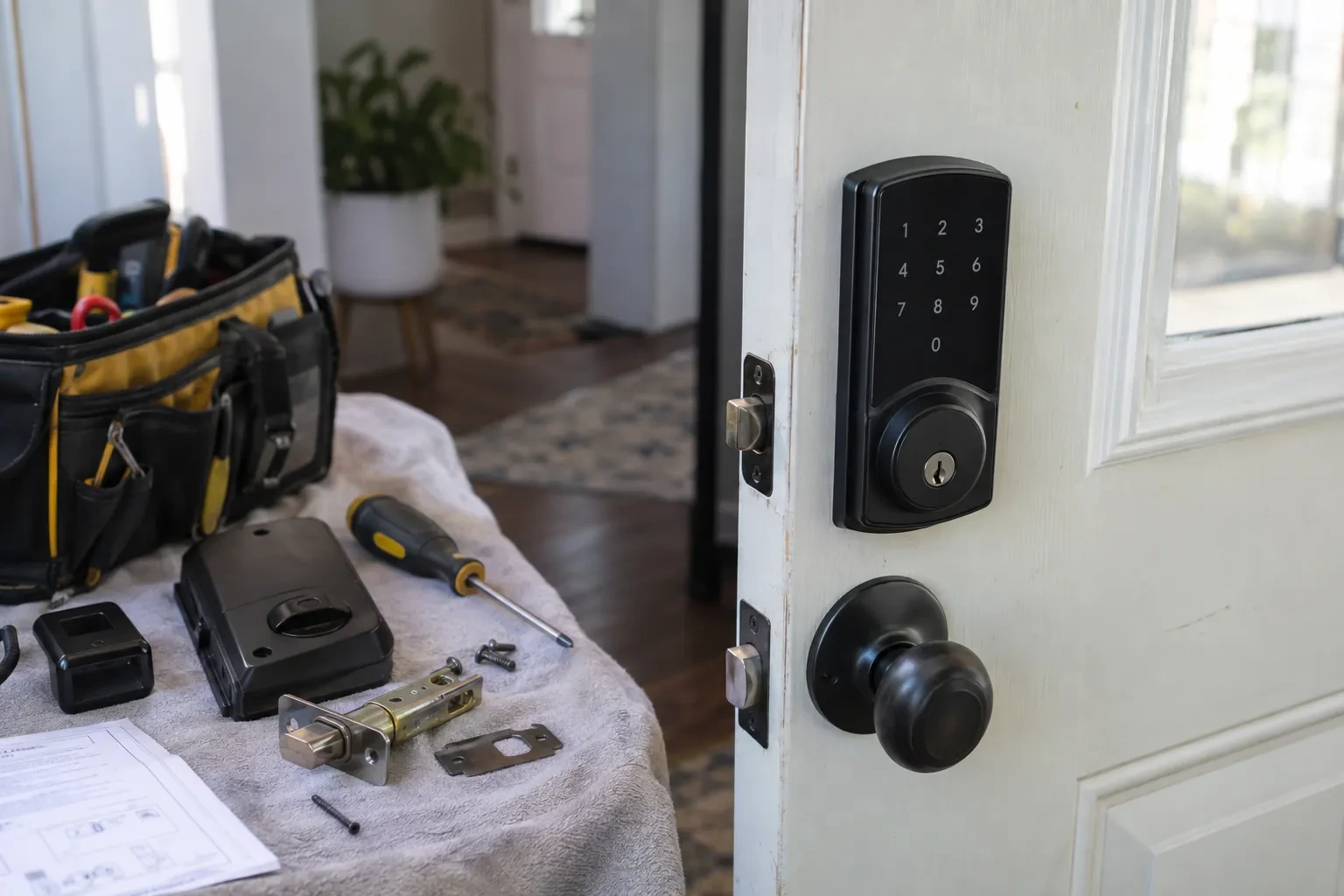
They solve different problems. A keypad or smart lock manages who can enter and when, and many have no keyway to pick. A high security mechanical lock resists physical attack and controls key copying without batteries, apps or connectivity. Many businesses use both: electronic access on high-traffic doors and high security cylinders on rooms that must hold regardless of power. The locksmith helps you match the tool to each door rather than choosing one philosophy.
Is a high security cylinder really pick proof?
Nothing is beyond a laboratory with unlimited time, so the honest measure is minutes, not absolutes. Rated cylinders are tested to resist skilled picking and impressioning for a set period, and drilling and forcing for another. In the real world that matters because someone at a door has seconds, not a workbench. The sidebar and false grooves in the pins give a picker nothing reliable to feel, and the hardened inserts stop a bit, which is why these attacks move on to easier doors.
What is bumping, and does this stop it?
Bumping uses a specially cut key that is struck while under light turning pressure, bouncing the pins to the shear line for an instant so an ordinary cylinder opens. It works on many standard pin tumblers. A high security cylinder needs its sidebar released by separately positioned finger or rotating pins at the same moment, and a bump key cannot set those, so the plug stays locked. It is one of the clearest advantages of the upgrade.