High security · Virginia Beach
Safe Opening & Combination Change in Virginia Beach
Decades of daily use have left the law firm's old dial safe drifting: the numbers line up close to where they should, never quite enough to drop the bolt.
In plain words
Two different problems can look identical from outside a locked safe: a combination that genuinely no longer opens it, and a mechanism that is jammed, corroded or blocked while the correct numbers still work perfectly. Sorting out which one is happening comes before any decision about drilling, since a stuck handle or a tripped relocker needs freeing rather than a fresh combination. Getting this diagnosis right the first time keeps the visit focused on the actual cause rather than the symptom in front of you.
How the visit goesThe bookkeeper who set the office safe's code retired in a hurry, and the float cash for tomorrow's registers is sitting behind a keypad nobody else in the building can operate.
Safe Opening & Combination Change
How the visit goes
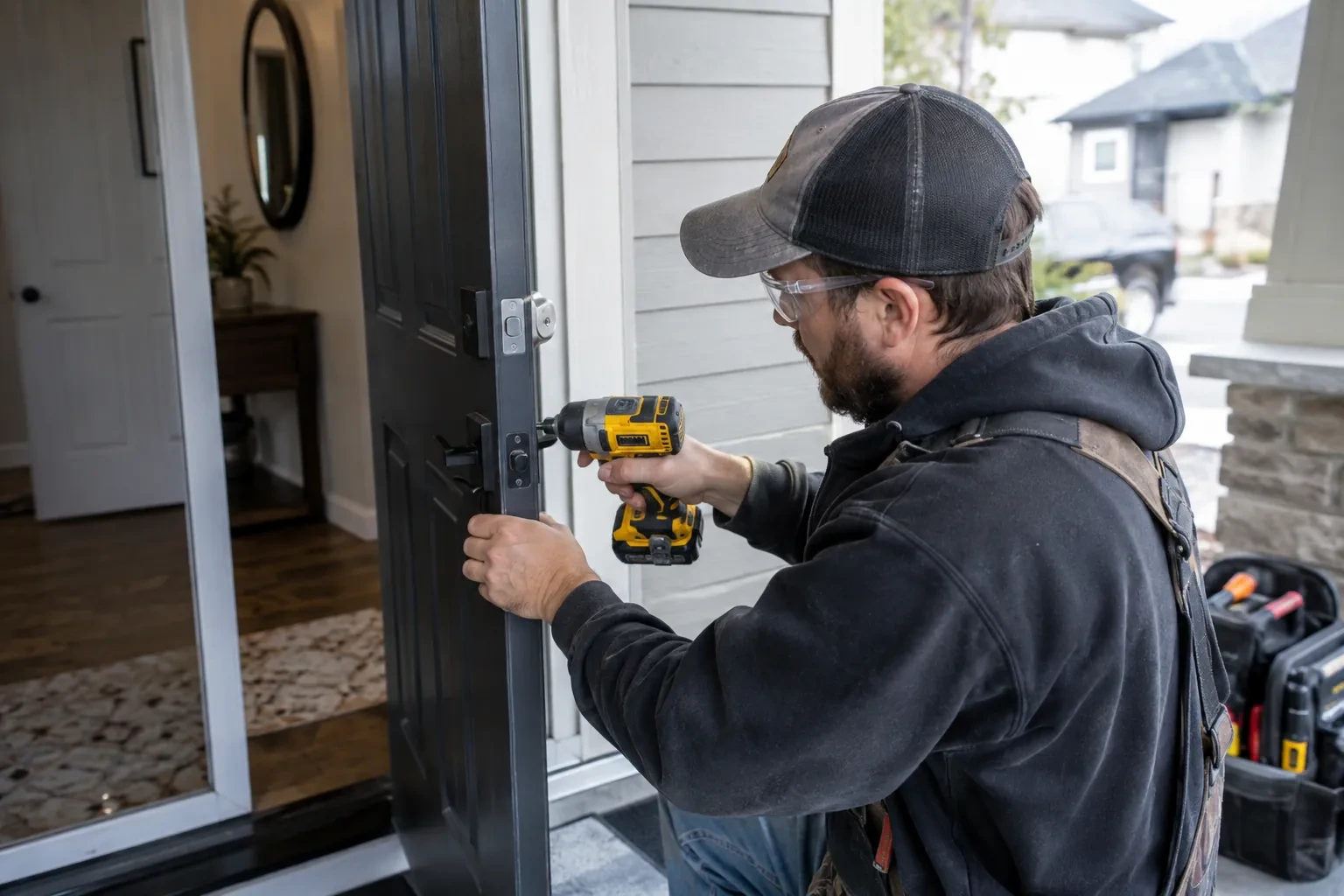
Where the combination actually went
The history behind a lost combination shapes what happens next as much as the lock does. A code forgotten after months of the safe sitting closed still depends on that lock's own options: some models support a straightforward reset, others need a valid recovery code or a professional opening regardless. A combination that left with a departing bookkeeper or manager points toward recombining even a safe that still opens perfectly well, since the old numbers are now outside anyone's control. A safe with no known history, inherited or bought without paperwork, is treated as unknown from the start. A few honest questions about how the combination was lost shape the whole visit.
Drilling through a chosen, repairable point
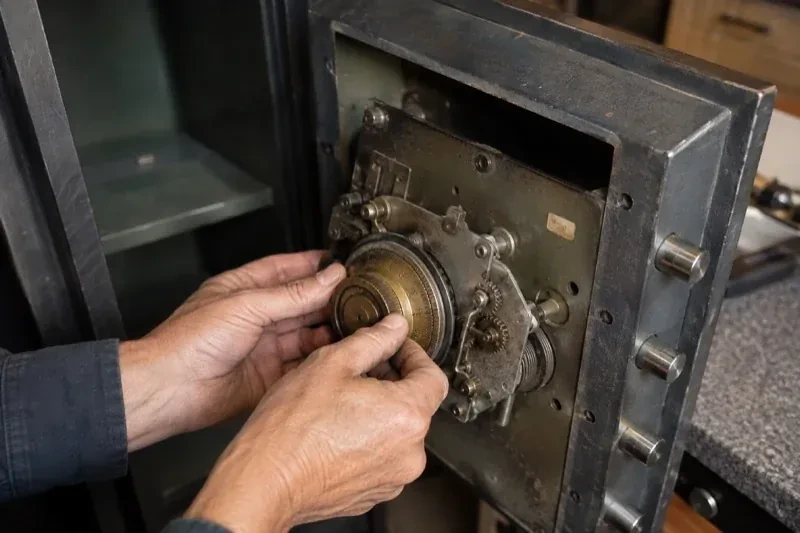
When manipulation, decoding and the electronic reset path all fail to open the safe, drilling is explained to the owner before it begins, aimed at a specific point the lock manufacturer's own service documentation identifies as both reachable and safe to repair afterward. A borescope is used through the drilled hole to view the lock's internal parts directly and manipulate or bypass them without further damage. The aim is to affect nothing beyond that single hole, patched or plugged as one of the last steps of the visit, though the number of holes needed and any effect on the safe's rated protection level depends on its construction and is addressed with the manufacturer's approved repair method.
Confirming what belongs behind the door
For a safe used to store firearms, the visit is a natural moment to confirm the storage arrangement inside still matches what the applicable federal requirements for a business expect, since those rules cover the container, the room around it and how access is limited to authorized people. For a safe holding cash, records or client property, checking that nothing was disturbed while the lock was being worked on, and that the new combination is set before anything is put back, closes the loop on the same visit rather than leaving it for later.
Safe Opening & Combination Change
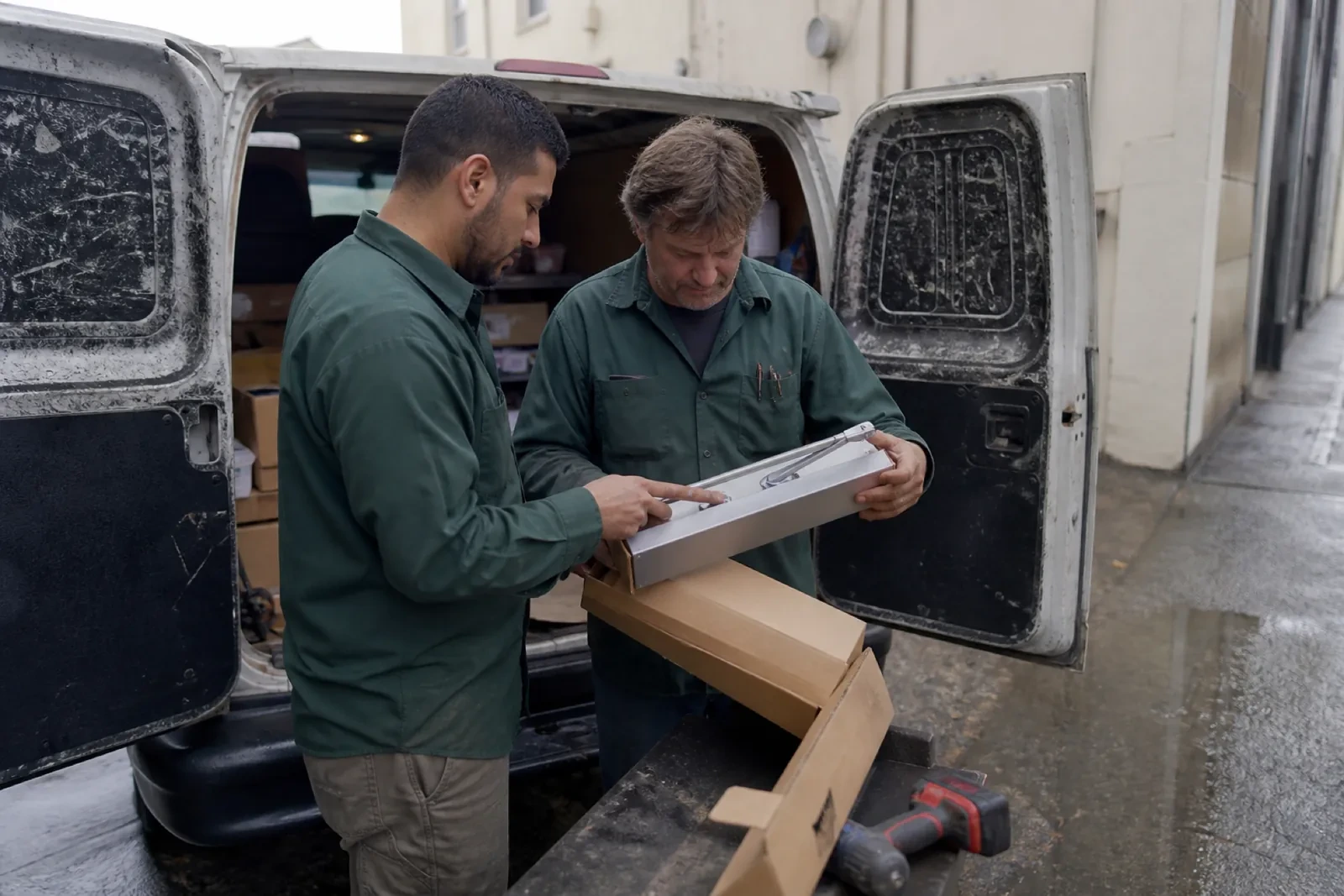
In the van
Manipulation and tension tools
Drill rig and carbide bits
Spindle and drive cam
Combination change key
Replacement wheel pack
Safe Opening & Combination Change
What affects the quote
Any upgrade chosen during the same visit
Moving to a higher-rated lock, adding a second user code, or fitting an anti-relock plate is optional and priced as its own line whenever an owner chooses it.
Replacement lock or hardware needed
If the existing lock is worn out, damaged, or simply outdated, a replacement mechanical or electronic lock adds to the visit, priced separately from the opening itself.
Where the safe is located
A safe bolted to a floor, built into a wall, or set in a tight closet or basement corner takes more time to work around than one standing freely in an open room.
What to have ready
- Has the safe ever been drilled or serviced before?
- Does the keypad light up or make sounds when pressed?
- Is the lock a dial, a keypad, or a key?
Safe Opening & Combination Change: questions
QuestionsWhen does a locksmith decide to drill a safe instead of opening it another way?
Drilling is chosen when the gentler options for that specific lock, manipulation and decoding on a mechanical dial, or a manufacturer reset or override on an electronic one, are unavailable or have not worked, rather than following one fixed order on every safe. It is also the answer when the lock has genuinely failed, such as a seized wheel pack or a dead circuit board with no working override. The decision is explained before drilling starts, not discovered afterward.
Can you help with a safe found in an inherited or estate property with no records at all?
Yes. The locksmith identifies the safe directly from its hardware, brand plate if one survives, and physical layout, then proceeds with the same manipulation, decoding or reset options used on any safe with an unknown history. Documentation such as a will, an executor's letter or a property transfer establishes your authority to have it opened.
Do you need to see proof that I own the safe before opening it?
Yes, and it is meant as a protection rather than a hurdle. For a business, identifying yourself as the owner, manager or an authorized employee is usually enough. For an estate, a secondhand purchase or a change of ownership, a bill of sale, transfer document or executor's paperwork fills the same role. This step protects whoever actually has a claim on what is inside the safe, which includes you.