High security · Royal Beach
Safe Opening & Combination Change in Royal Beach
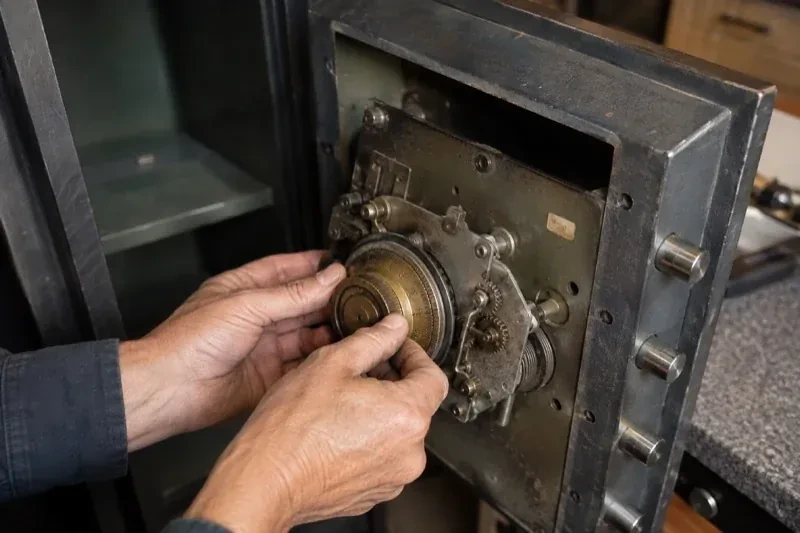
Decades of daily use have left the law firm's old dial safe drifting: the numbers line up close to where they should, never quite enough to drop the bolt.
In plain words
Mechanical and electronic safe locks call for genuinely different work. A mechanical dial is opened by manipulation or decoding, reading resistance through the spindle as the wheel pack lines up one wheel at a time. An electronic keypad is approached through that model's own documented recovery options first, since some keep a way back in that avoids opening the case, while others have none and a reset connection has to be made at the lock body inside the container. Knowing which lock is on the safe before arrival shapes which tools and which approach get used.
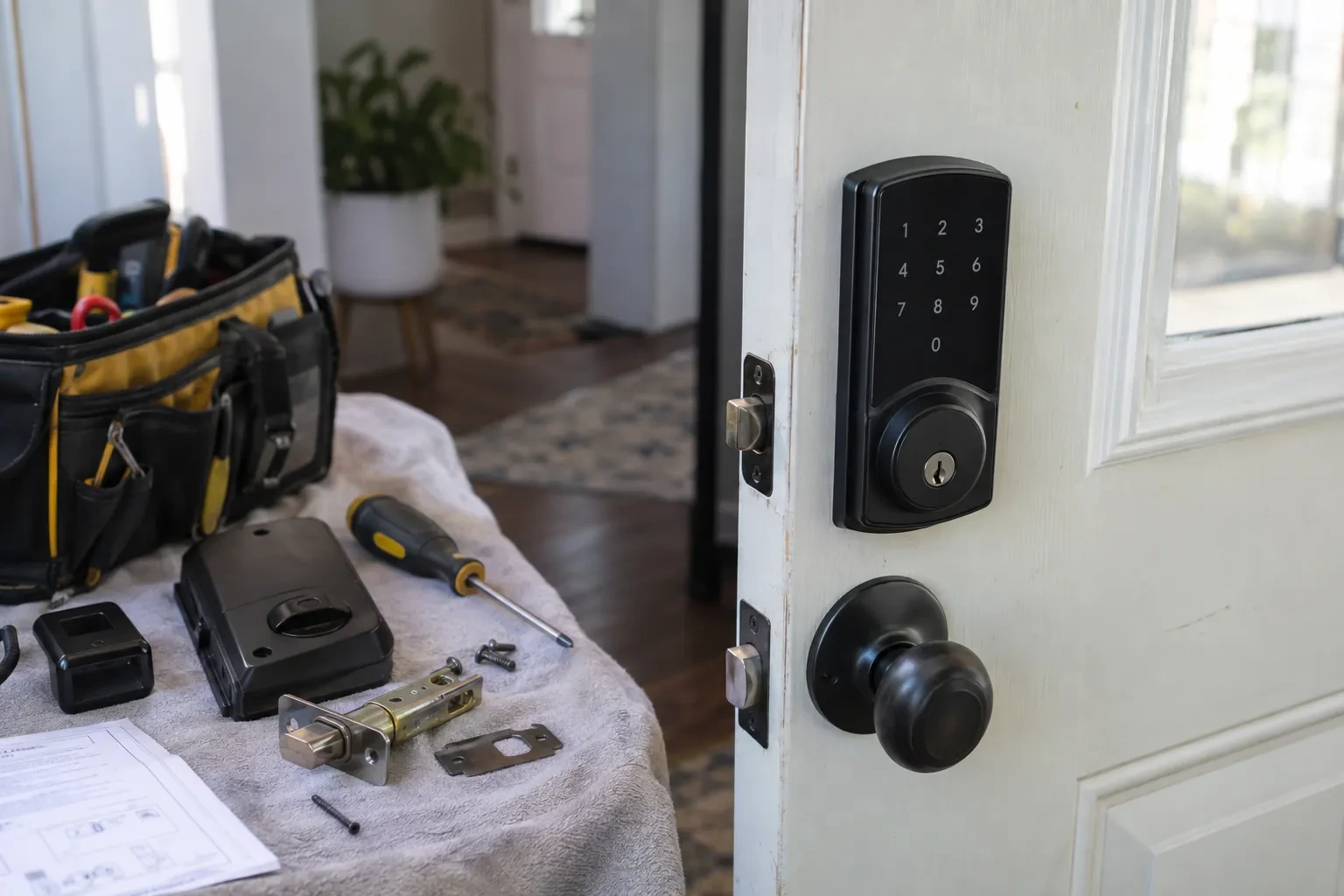
How the visit goesThe pharmacy's drop safe has a keypad that finally lost power for good, and the little override key that was supposed to live behind the counter cannot be found anywhere.
Safe Opening & Combination Change
How the visit goes
Looking for a relocker or prior damage
Some safes include a relocker, a small device built to jam the bolt work until a trained technician services it, if the case is drilled in the wrong place, dropped, or exposed to fire. The locksmith looks for pry marks, drill attempts, scorching or a history of the safe being moved or dropped, since any of these can explain a lock that suddenly refuses a combination that worked yesterday. Recognizing a tripped relocker early changes the plan: the fix is mechanical, freeing or replacing the relocking mechanism, rather than another attempt at the original combination or a straightforward reset.
Repairing or replacing the lock afterward
Once the safe is open, the lock that caused the trouble gets its own decision. A worn or damaged mechanical lock can often be repaired in place, its wheel pack, drive cam or spindle replaced individually rather than swapping the whole assembly. A failed electronic lock is more often replaced outright with a comparable or higher-rated unit, since circuit boards and keypads are not field-serviceable like a wheel pack. Either path aims for a lock at least as capable as the one it replaces, matched to the case's existing cutout, though restoring the safe's overall rated protection after any field repair follows the manufacturer's approved method rather than being assumed automatic.
A combination that belongs to the current owner
Every old credential the lock supports, past user and manager codes, any super-master or recovery code, keys and external access, is checked and removed rather than just the one combination in daily use, so nobody still holding an old way in, a departed employee, a previous owner or otherwise, keeps one. The new sequence is chosen by the current owner or manager on the spot, not assigned from a list. This is worth treating deliberately rather than casually: deciding who genuinely needs the combination, and keeping that group as small as the business actually requires, is the simplest way to keep a fresh reset from becoming next year's same problem.
Safe Opening & Combination Change
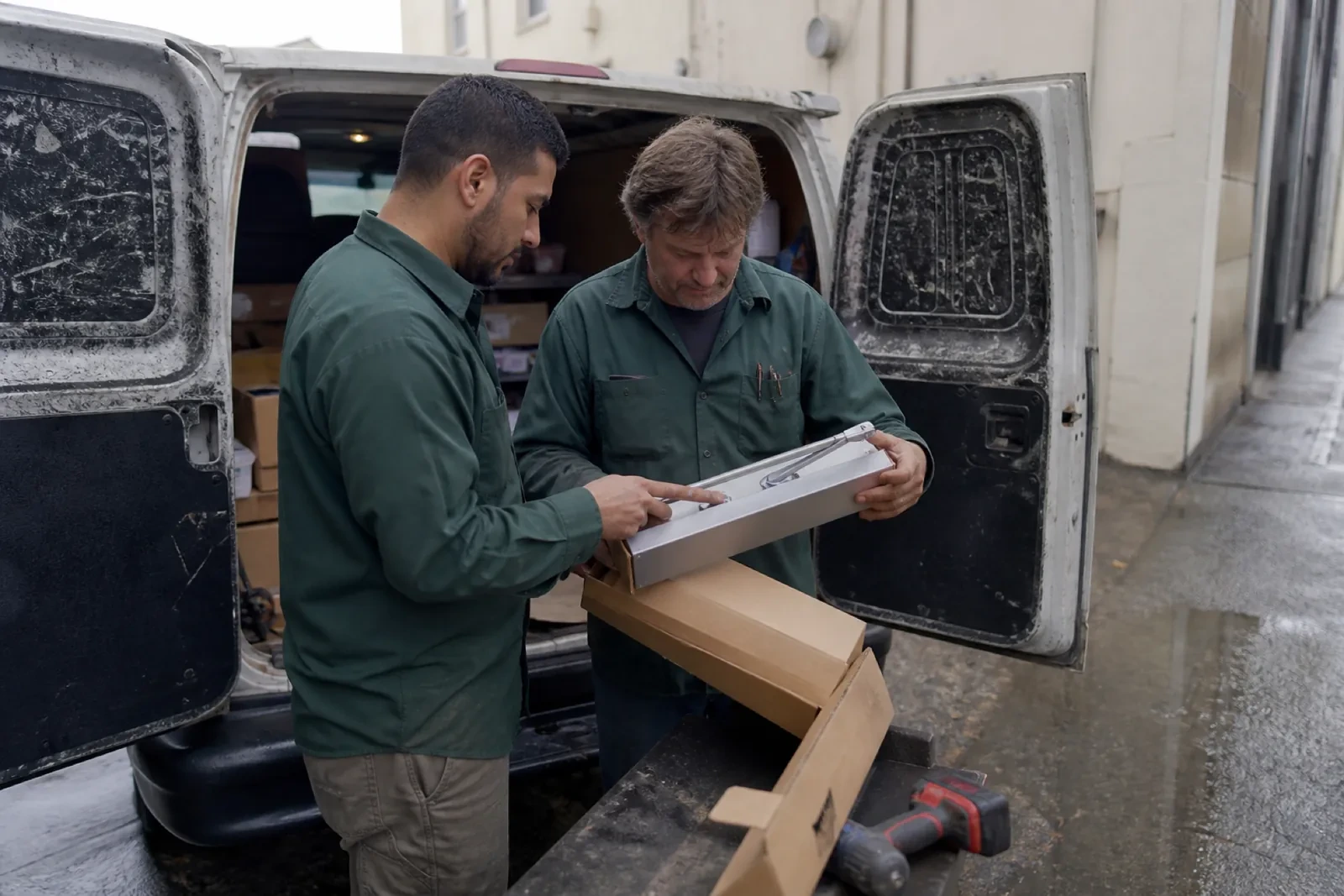
In the van
Manipulation and tension tools
Drill rig and carbide bits
Spindle and drive cam
Combination change key
Replacement wheel pack
Safe Opening & Combination Change
What affects the quote
Bolt work or handle repair beyond the lock itself
A jammed bolt, corroded linkage or broken handle found during the assessment is quoted as its own item alongside whatever combination or lock work was originally requested.
Damage from a prior break-in attempt
Pry marks, drill attempts or a tripped relocker from an earlier incident mean assessing and repairing that damage in addition to the combination work the visit was booked for.
Timing of the call
A visit during regular business hours costs the same amount as one arranged outside them. The locksmith confirms the exact figure on site once the safe's lock type, size and condition have been looked at in person.
What to have ready
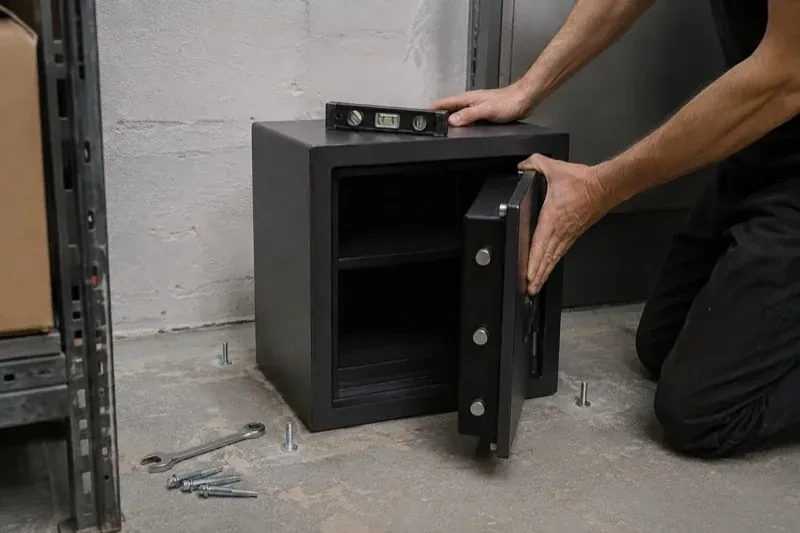
- Is the safe bolted down, built in, or freestanding?
- Is the combination lost, forgotten, or simply not working anymore?
- Do you own the safe, or manage it for someone else?
Safe Opening & Combination Change: questions
QuestionsWhen does a locksmith decide to drill a safe instead of opening it another way?
Drilling is chosen when the gentler options for that specific lock, manipulation and decoding on a mechanical dial, or a manufacturer reset or override on an electronic one, are unavailable or have not worked, rather than following one fixed order on every safe. It is also the answer when the lock has genuinely failed, such as a seized wheel pack or a dead circuit board with no working override. The decision is explained before drilling starts, not discovered afterward.
Can you help with a safe found in an inherited or estate property with no records at all?
Yes. The locksmith identifies the safe directly from its hardware, brand plate if one survives, and physical layout, then proceeds with the same manipulation, decoding or reset options used on any safe with an unknown history. Documentation such as a will, an executor's letter or a property transfer establishes your authority to have it opened.
Do you need to see proof that I own the safe before opening it?
Yes, and it is meant as a protection rather than a hurdle. For a business, identifying yourself as the owner, manager or an authorized employee is usually enough. For an estate, a secondhand purchase or a change of ownership, a bill of sale, transfer document or executor's paperwork fills the same role. This step protects whoever actually has a claim on what is inside the safe, which includes you.