Change or rekey · Royal Beach
Lock Rekeying in Royal Beach
Three months of renovation are finally done.
In plain words
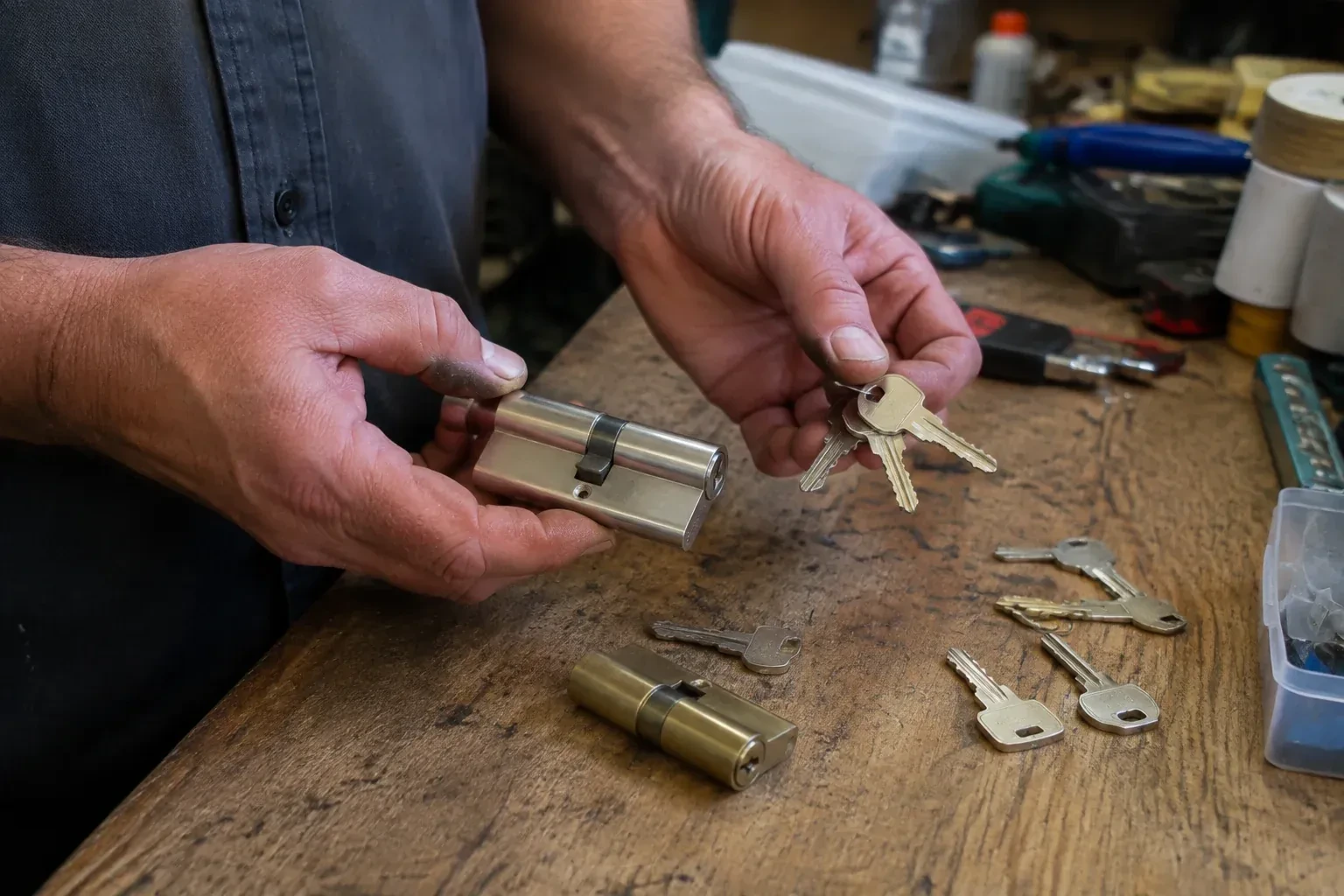
The choice between rekeying and replacing comes down to the condition of the lock and what you want from it. A cylinder that turns smoothly, sits firmly in a solid deadbolt and matches the look of the door is worth keeping, and rekeying gives it a new key for a fraction of the effort of replacement. Replacement earns its place when the hardware is worn, low grade, damaged, a mismatched keyway that cannot join the house key, or when you want a keypad or a heavier deadbolt anyway. A locksmith looks at each door and tells you which one applies.
How the visit goesOne key for the front door, another for the back, a third for the side door into the garage, and a fourth for the shed. You stand on the step every evening flipping through them in the dark, trying each one until something turns.
Inside the lock
What a rekey changes
01
The lock you already have
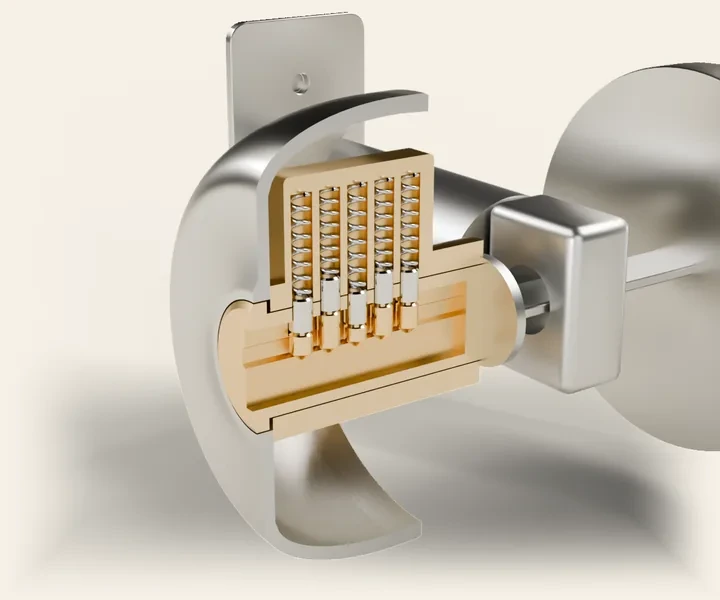
02
Inside the cylinder
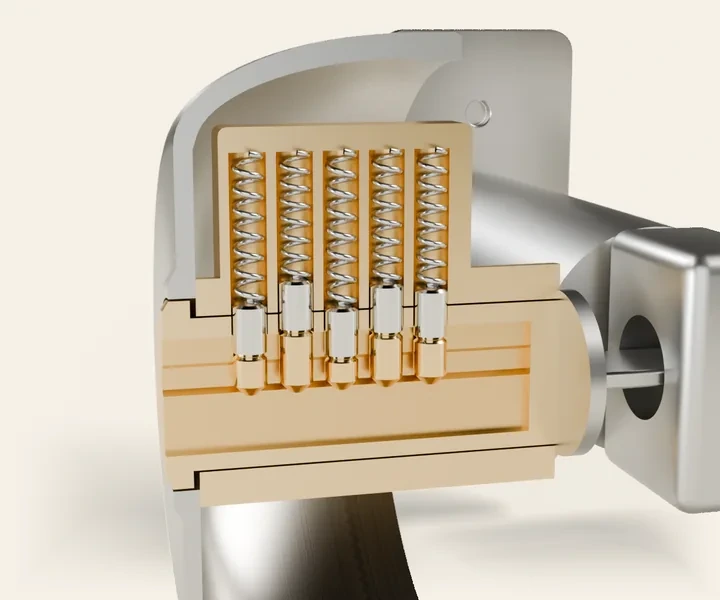
03
Pins, springs and the shear line
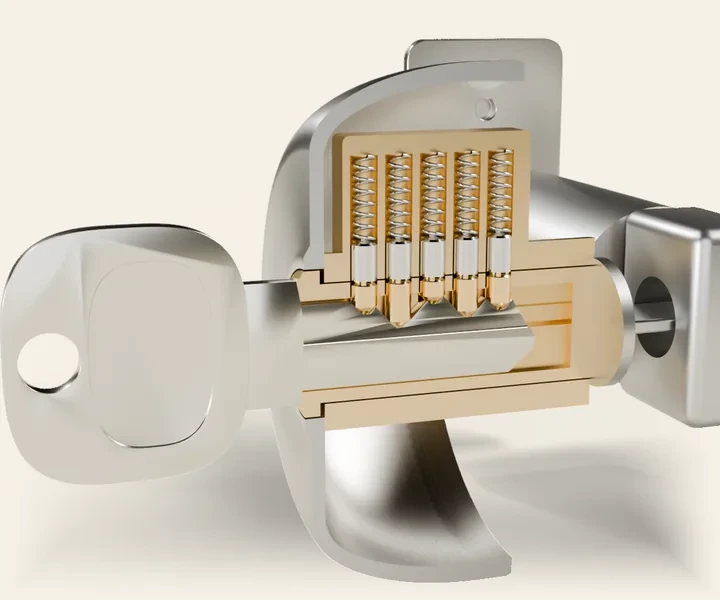
04
A new key, new pins
Lock Rekeying
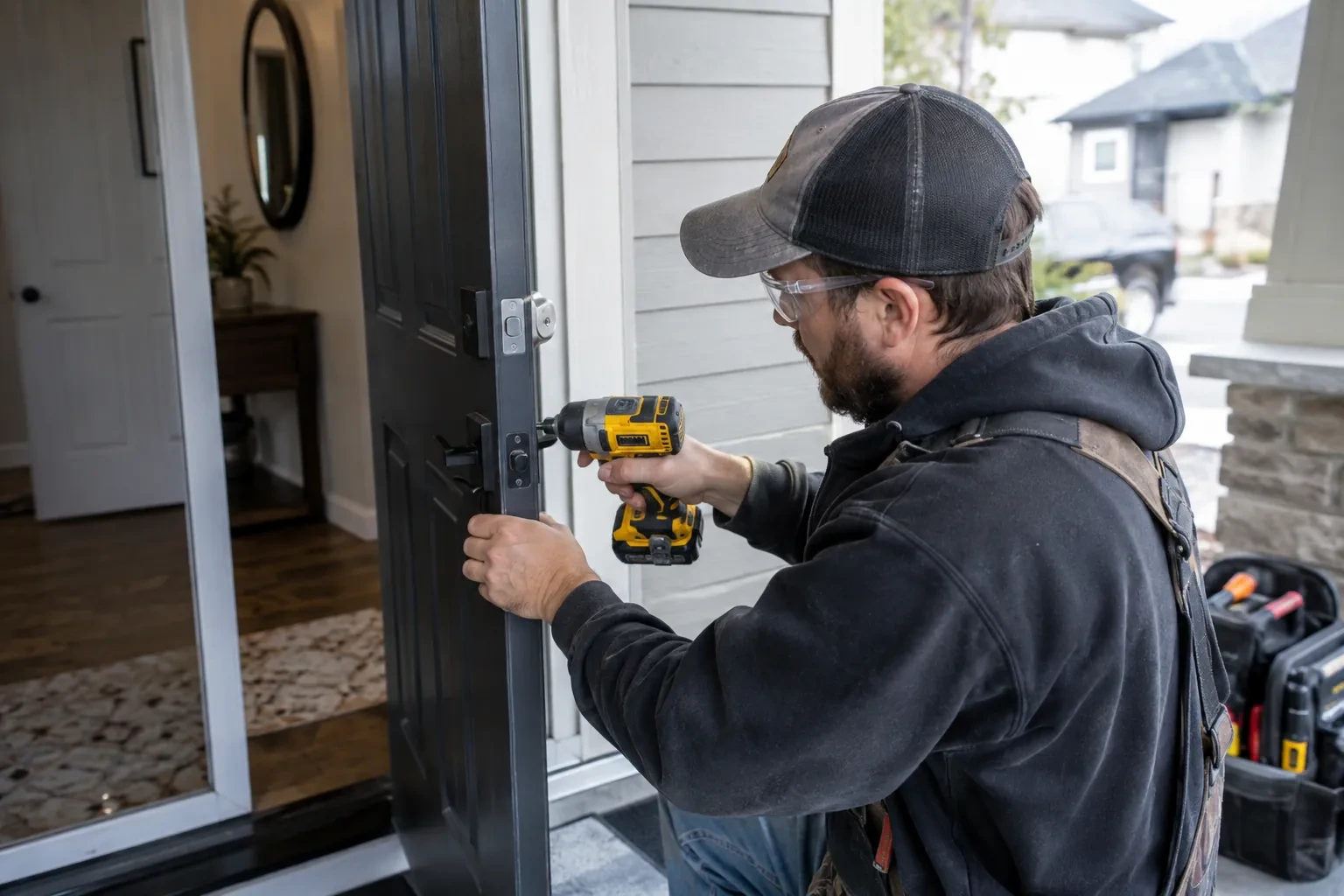
How the visit goes
Who is entitled to change the locks
Rekeying decides who can enter a home, so the first check is about the person asking. A homeowner shows photo identification and something tying them to the property, such as a tax bill, a closing document or a utility statement. A property manager brings authorization from the owner. A tenant is asked whether the landlord has agreed to the change and will receive a copy of the new key, because tenancy rules here expect both sides to hold one. Where a unit is in a condominium, the locksmith asks whether the building has a rule about suite-door locks. None of this is an obstacle; it is the part of the job that protects the home being worked on.
Reassembly and the shear-line test
On a pin-tumbler cylinder, the plug goes back into the housing with the new key in it, pushing the follower out ahead of it, and the cam or tailpiece is refitted with its retainer. Before the cylinder goes anywhere near the door, the locksmith turns the new key and checks that the plug rotates freely with no catch, then removes the key and confirms the plug is locked solid. A pin a fraction too long or too short shows up here as a rough turn and is corrected on the bench. Only a cylinder that passes goes back into its lock, where it is tested again with the door open and then closed.
The old keys are just metal now
Whatever was out in the world before today, the copy the contractor kept, the key the former roommate never returned, the ring that went missing on the bus, none of it turns a lock on your property any more. That is the whole point of the visit, and it is worth saying plainly because people sometimes keep worrying afterwards. If you still hold old keys, they can go in the metal recycling. There is no need to change the door hardware or your routine, but any keypad code known to someone whose access is ending should be deleted or changed separately, since rekeying the mechanical cylinder does not touch those codes.
Lock Rekeying
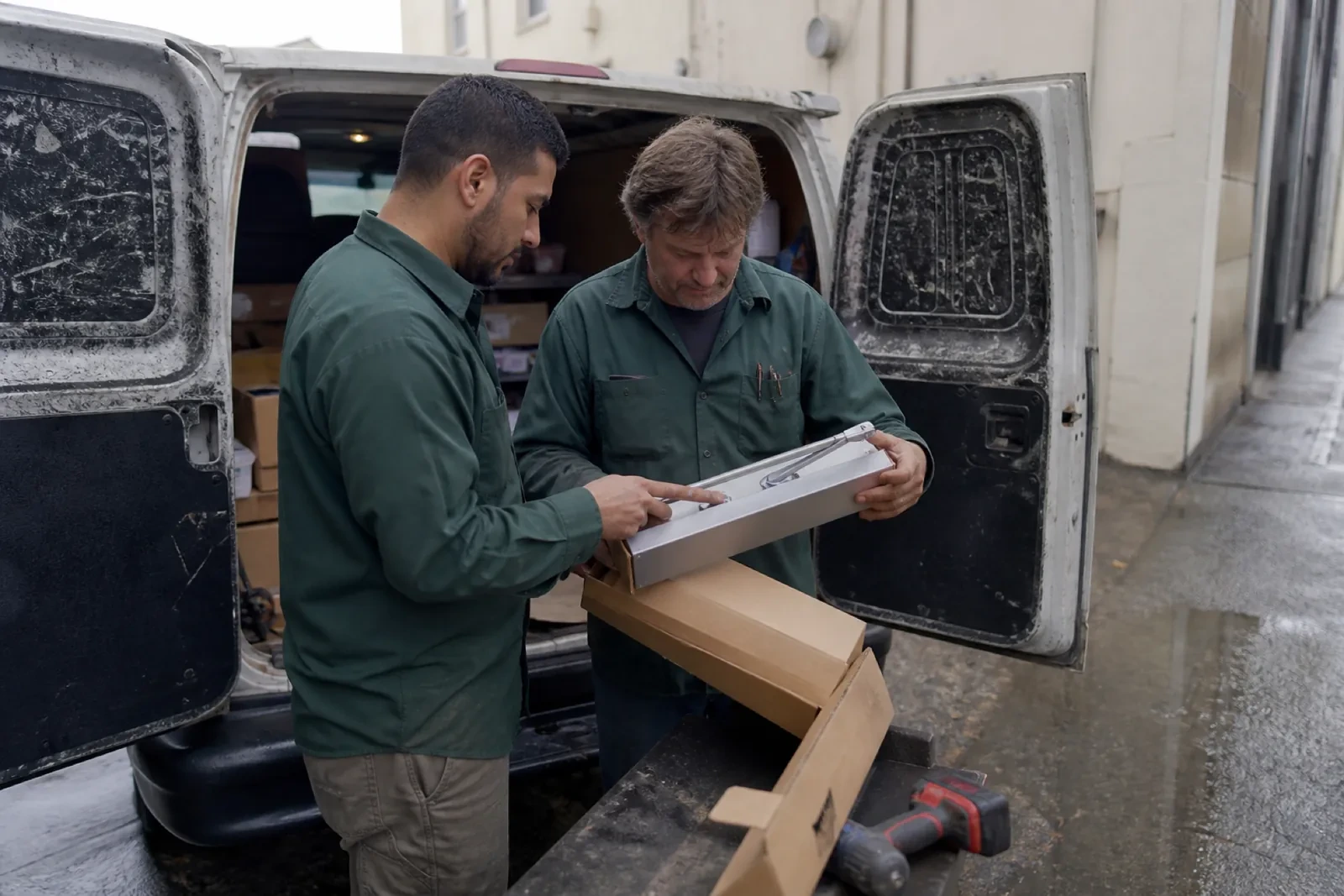
In the van
Key tags and keying record
Pinning tweezers and tray
Cylinder shim
Graded bottom pin kit
Dry graphite or PTFE lubricant
Lock Rekeying
What affects the quote
One key group or several
Keying every door alike is the simplest plan. Setting up separate keys for a basement suite, an office or a shed adds a group to pin and label, and the quote shows that as separate work.
Travel to the property
Every visit includes the drive. A home across town and a rural property at the end of a long road involve different travel time, and the quote reflects the trip as well as the bench work.
Mailboxes, padlocks and cabinets
Small cam locks on mailboxes and cabinets are usually replaced rather than repinned, and padlocks vary in whether they can join the house key; each of these is priced as its own item.
What to have ready
- How many new keys will your household or your tenants need?
- Is the home a condo or in a building with shared entrance doors?
- Which doors do you want rekeyed, and have you counted the door from the garage?
Lock Rekeying: questions
QuestionsI am a landlord. Should I rekey between tenants?
Many landlords do, and it removes the question of whether every copy came back. The locksmith rekeys the unit's cylinders so the incoming tenant holds the only working keys, cuts the copies you want, and notes the count for your move-in record. Because provincial tenancy rules expect the tenant to be handed replacement keys whenever a landlord changes a lock, the visit ends with keys for both of you and a clear list of which doors were done.
What happens to my old keys?
They become ordinary pieces of brass. Once the cylinders are pinned to the new combination, the old keys turn nothing on your property, so there is no security reason to keep or hide them. Hand them to the locksmith for disposal or drop them in the metal recycling. If a former roommate or contractor still has one, it no longer matters, which is the whole reason for the visit. Keep only the new set, counted and tagged.
Can I keep one door on a different key from the rest?
Yes, and it is common. A basement suite or in-law apartment often gets its own key so the tenant's key opens their door and nothing else, while your key opens the main house. A home office, a storage room or a shed can be kept separate for the same reason. The locksmith sets up the groups you want, pins each accordingly and tags the keys so the separate one is not mixed into the household set.
Related services
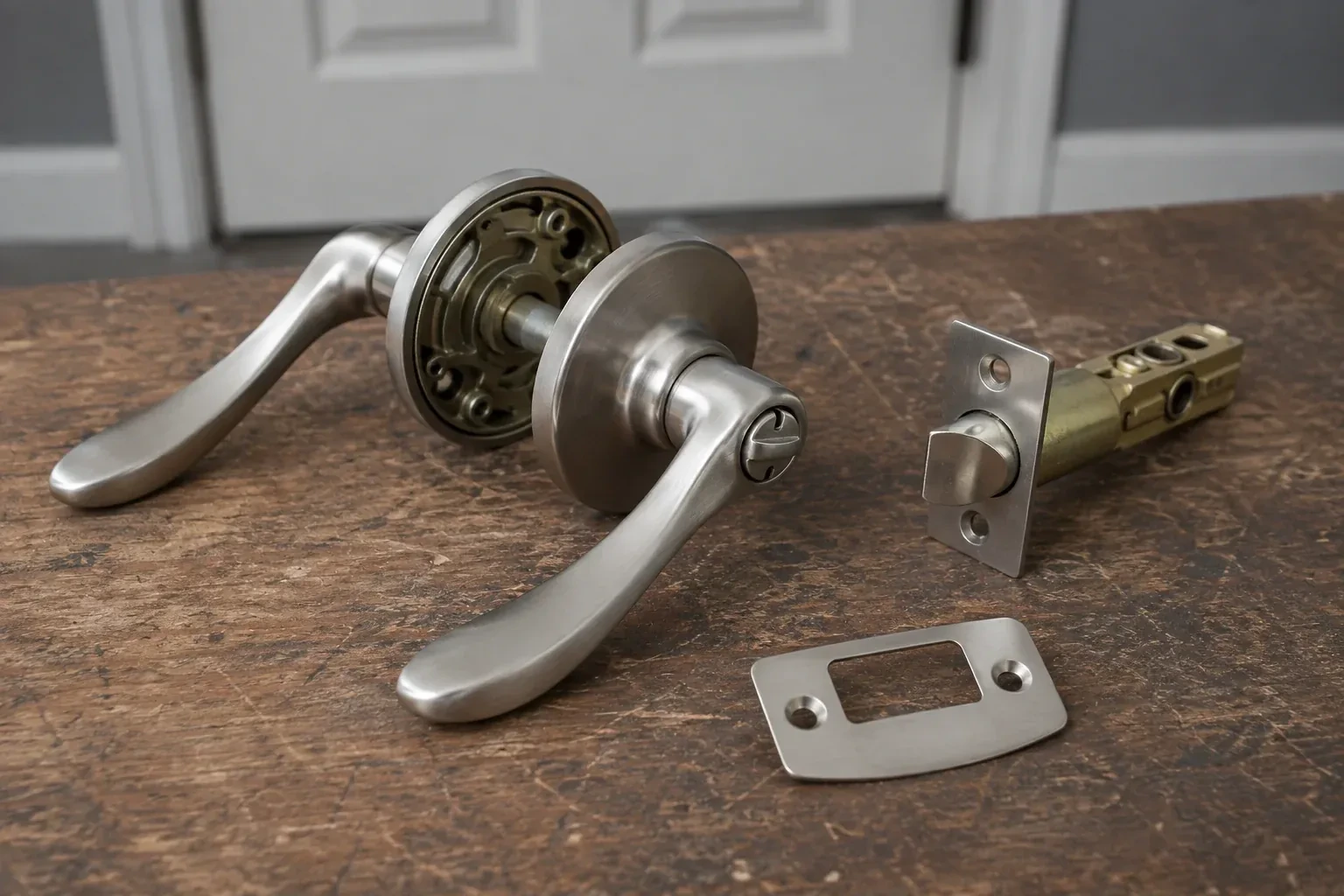
- Lock Replacement & UpgradeThe lever on the side door droops toward the floor and rattles in your hand.
- Vintage Mortise Lock ServiceThe old skeleton key still fits the keyhole, but it now needs a jiggle, a lean on the door and a little luck before the bolt moves.
- Smart Lock InstallationThe kids get home before you do and the spare key has been lost twice this school year.